
NFL defenses are sharper and more prepared than ever. They’ve spent years studying every
formation and route concept teams can throw at them. But there’s still one tool that forces
hesitation almost every time: play-action. Not the occasional fake that shows up after a timeout
the steady version that an offense builds into its identity.
Play-action doesn’t succeed because defenders are gullible. It works because of the
responsibilities they can’t ignore. When an offense keeps coming back to it, the entire structure
of the defense starts to shift in small, noticeable ways. And that’s where teams find the
advantages you won’t always see in box scores.
Frequency Beats Creativity
Fans love the deep shots, the play-action bombs, the moments when a receiver appears wide
open down the field. Coaches see something else entirely: the accumulation. One fake doesn’t
matter – but ten or twelve of them, spread across early downs? That’s when defenders start
reacting differently, even if they don’t realize it.
Linebackers still have to step toward the line when the offensive line fires off. Safeties still have
to hold their ground to prevent a big run. The more an offense shows that run look, the more
defenders hold back. They’re not fooled they’re just handling multiple reads, and that slows
them down enough for the offense to win small matchups.
Personnel Packages Shape the Effectiveness
Play-action gets even more effective when it’s tied to the right personnel. A good example of
how defenses adjust to different groupings comes from the article “What is 20 Personnel in
Football? NFL Offensive Personnel Packages.” It breaks down how each combination of players changes what a defense expects and how it aligns before the snap.
Now picture that same defensive structure dealing with frequent play-action.
A grouping that normally triggers certain run fits suddenly becomes a setup for crossers, play-
side outs, or deep digs. Safeties who rotate aggressively on outside zone now have to think
twice. Linebackers who normally scrape with confidence start shuffling instead of triggering.
The play-action fake itself doesn’t need to be fancy. It just needs to be paired with a look the
defense is used to treating seriously.
What Persistent Play-Action Does to a Defense
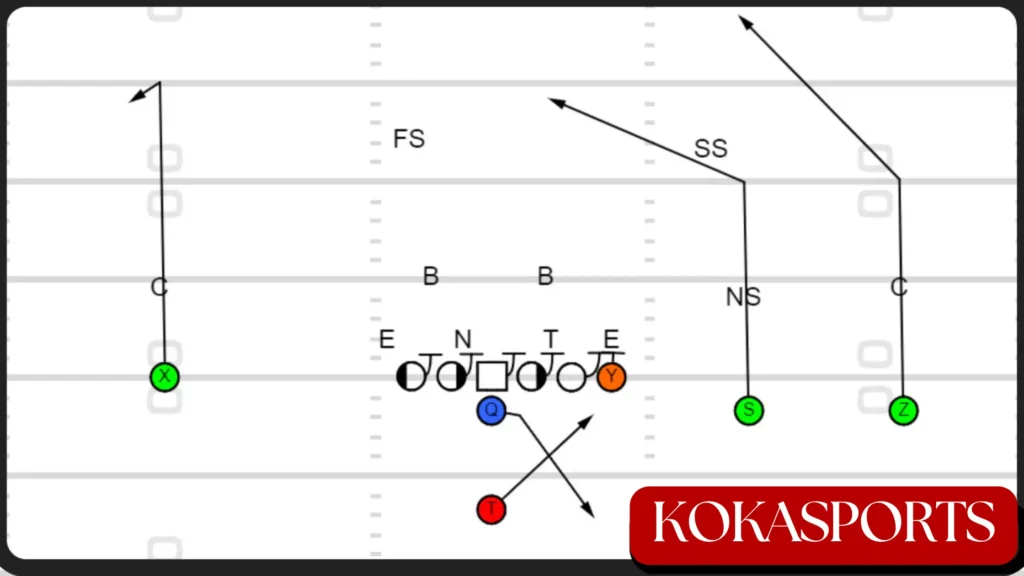
The effect shows up gradually. Early in the game, defenders stay disciplined. As the snaps pile
up, hesitation creeps in. A few things start happening: defenders hesitate before triggering
downhill, leaving room for crossers and in-breaking routes.
Outside of that list, the signs are easy to miss unless you’re watching closely. Safeties delay
their rotation. Edge defenders widen slightly. Nickel corners stop sitting on shorter routes and
instead drift deeper. These small shifts turn routine throws into efficient gains.
It’s subtle, but once it sets in, it reshapes how the offense calls the rest of the game.
Where Betting Conversations Come In
Bettors watch everything injuries, weather, matchups yet play-action still gets treated like
background noise. Meanwhile, in crypto wagering chats and especially around Bitcoin casinos, people spot that stuff almost instantly. Those communities are built around tiny signals and fast reactions.
There’s a pattern they keep pointing out: when a team bumps its play-action rate, the passing
game usually sharpens up long before the books react. Anyone who’s spent time in Bitcoin or
broader crypto markets already knows this rhythm someone catches the move early,
everyone else shows up after it’s obvious.
Early-week lines rarely show how much an offense shifts once it leans on play-action on early
downs. It changes where safeties drift, who gets touches, how drives feel. And because crypto
bettors pay attention to micro-changes by habit, they tend to notice those offensive tweaks
quicker than traditional markets do.
Why Defenders Still Get Caught in the Middle
Some people assume defenders no longer “bite” on play-action. But they don’t have the option
to ignore it. Their assignments force them to respect the run. A linebacker who refuses to step
toward the line when he sees run action won’t last long. When a safety leaves his run support
too early, the defense loses balance.
A brief hesitation from anyone in the middle of the field
can open a lane for the quarterback. With all the motion and condensed sets offenses use now,
those reads pile up quickly. When you combine all those elements with repeated play-action,
the defense is constantly processing instead of attacking.
That’s exactly what offenses want.
Quarterbacks Who Fit Heavy Play-Action Offenses
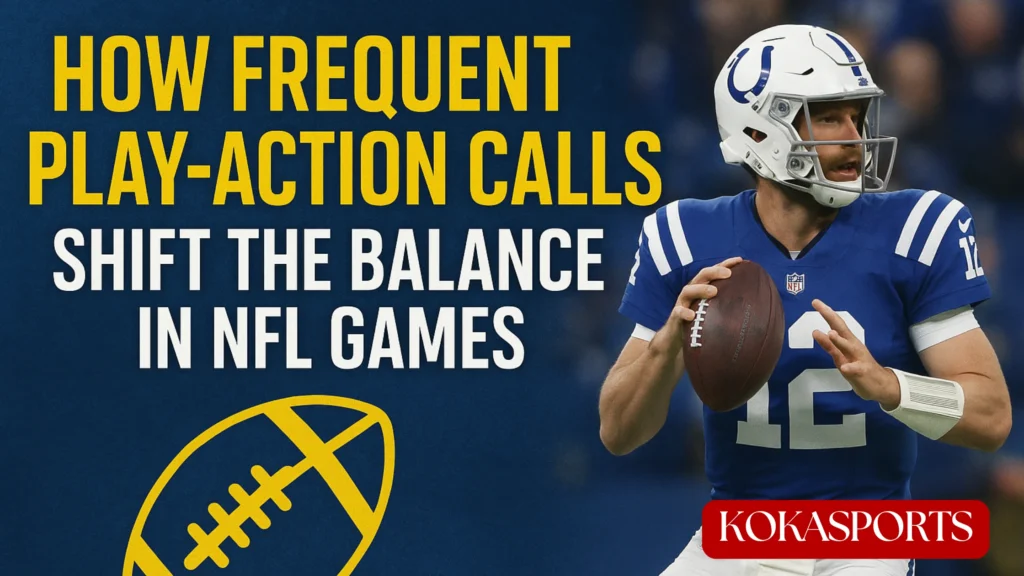
Some quarterbacks thrive when the offense commits to play-action. They’re comfortable turning their back to the defense during the fake. They throw well on timing routes in the middle of the field. They don’t need to make superhero throws they just need clear windows and structured reads.
Play-action gives them that. It makes the defense show its hand earlier, which turns some
difficult throws into routine ones. And when an offense keeps using it, quarterbacks who usually struggle in straight dropbacks often settle in and start playing with more control.
The Fatigue Factor Nobody Mentions
Play-action doesn’t only affect how defenders think it affects how they move. When a
defense keeps encountering run looks that turn into passes, the stress accumulates.
Linebackers have to restart their footwork over and over. Safeties constantly widen and recover.
Edge defenders hold contain longer than they want. By the fourth quarter, those extra
movements catch up with them.That’s usually when the offense finds more space not because the playbook changes, but because the defense is a little slower reacting than it was earlier.
A run that gained three yards in the first quarter might pick up seven in the fourth. A tight end
who was blanketed earlier finds separation. That’s not luck. It’s the accumulated effect of
repeated conflicts.
When Play-Action Loses Its Bite
Even strong play-action offenses run into problems once in a while. A few situations make the
fake less effective:An offensive line that can’t hold up kills the timing. Predictable alignments remove the surprise.And if a team abandons the run to the point where the defense stops treating it seriously, the fake loses credibility.
These issues aren’t inherent flaws in play-action. They’re structural breakdowns around it.
When the foundation is solid, play-action remains one of the most stable sources of efficient
offense.
What Play-Action Frequency Says About a Game Plan
Frequency is more revealing than design. Calling play-action once in a while doesn’t say much.
Using it on early downs over and over usually does. It’s a way to slow the linebackers, free up
the middle of the field, and make the quarterback’s job easier. It also keeps the protection from having to survive long-developing dropbacks. Above all, it shows the offense is fine with forcing the defense to deal with the same tough read every time.
Conclusion
Running play-action often doesn’t look dramatic, but it consistently makes life harder for a
defense. It nudges defenders out of their usual rhythm and disrupts the timing of their
coverages, and those small gains stack up as the game goes on.
It doesn’t need shocking fakes or complicated designs. It requires commitment. And when an
offense leans on it consistently, the small edges it creates tend to show up when the game is
tightest.