

When the Super Bowl confetti settles and the championship parade ends, many football fans wonder what happens next in the NFL. The answer lies in a crucial but often misunderstood part of the league’s calendar: OTA football. These spring and early summer sessions form the foundation of every team’s preparation for the upcoming season.
What Is OTA Football?
OTA Football Meaning
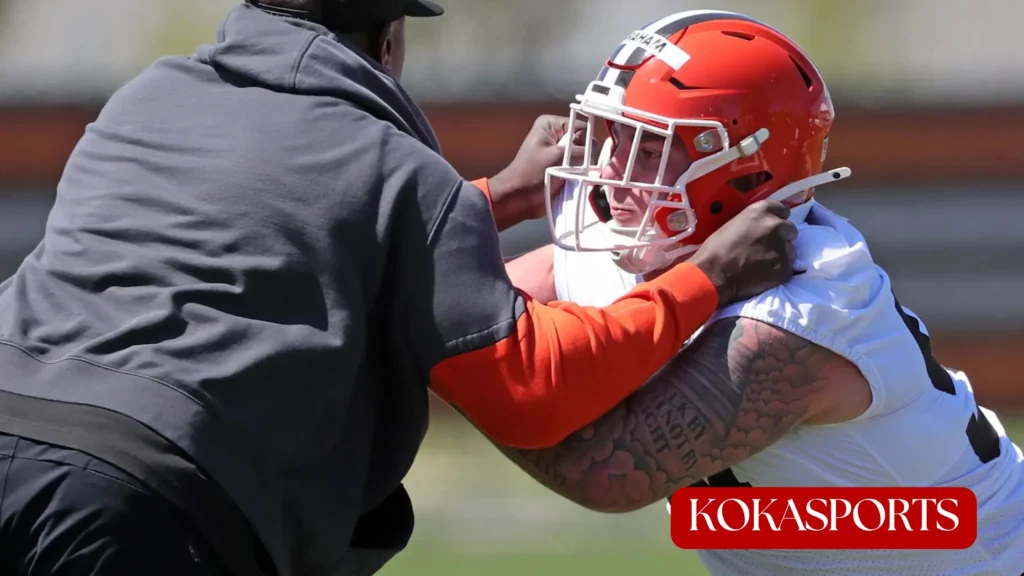
OTA stands for organized team activities, a series of voluntary practice sessions held during the NFL offseason. These workouts give players and coaches their first chance to work together after the NFL Draft and free agency period. Unlike the high-intensity practices of training camp, OTAs focus on teaching, installation, and gradual conditioning rather than full-speed competition.
The term might sound technical, but it’s simply the NFL’s way of bringing players back to team facilities in a structured yet relaxed environment. During these sessions, teams can’t conduct live contact drills, meaning players practice without tackling or hitting each other. This approach protects player health while still allowing meaningful football work.
What “Organized Team Activities” Actually Mean in the NFL
Organized team activities are exactly what they sound like team-sponsored practice sessions with specific rules about what can and cannot happen on the field. The collective bargaining agreement between the NFL and the NFL players association sets strict guidelines for these sessions. Teams get a limited number of days to conduct otas, and every minute is carefully monitored.
During organized team practice sessions, coaches can work with players on fundamentals, teach new schemes, and evaluate talent. However, the rules are clear: no pads, no hitting, and no live contact. The NFL Players Association watches these practices closely to ensure teams don’t push boundaries or put players at unnecessary risk.
Difference Between OTAs, Minicamp, and Training Camp
The NFL offseason is conducted in three phases, each with different rules and intensity levels. OTAs come during phase three of the offseason program, while minicamp serves as the mandatory capstone before summer break. Training camp arrives in late July or early August with full pads and game-speed intensity.
Here’s a simple breakdown:
| Phase | Type | Contact Allowed | Mandatory? |
|---|---|---|---|
| OTAs | Practice | None | No (voluntary) |
| Minicamp | Practice | None | Yes (for veterans) |
| Training Camp | Full Practice | Yes | Yes |
The main difference is intensity and obligation. OTAs let players ease back into football shape, minicamp checks everyone’s progress, and training camp determines who makes the final roster.
How OTA Football Fits Into the NFL Offseason Timeline
The offseason workout program typically begins in mid-April and runs through mid-June. The program is divided into three distinct phases. The first two weeks are limited to strength and conditioning activities only no footballs, no coaches on the field, just players working with strength and conditioning coaches in the weight room and during conditioning sessions.
The next three weeks form Phase Two, where coaches can join players on the field for individual drills but not team drills. Players work on position-specific techniques during this period, getting their bodies ready for more intense work.
Phase three is where OTAs really begin. Teams can hold up to ten days of organized team practice spread across four weeks. These sessions include 7-on-7 and 11-on-11 drills, full playbook installation, and coordinated team drills. After OTAs wrap up, teams hold one mandatory minicamp for veteran players, typically lasting three days.
Why OTAs Matter for All 32 Teams
Every single one of the 32 teams treats OTA football seriously because it sets the tone for the entire season. New players learn the playbook, returning players shake off rust, and coaches evaluate who fits their system. For teams with a new head coach or offensive coordinator, OTAs become even more critical as they introduce completely new schemes.
Veterans often skip some voluntary offseason workout sessions, but most show up for at least part of OTAs to maintain their standing with coaches and build chemistry with new teammates. Rookies, on the other hand, need every single rep they can get to adjust to NFL speed and complexity.
NFL OTA Schedule 2026 Key Dates, Rules, and Structure
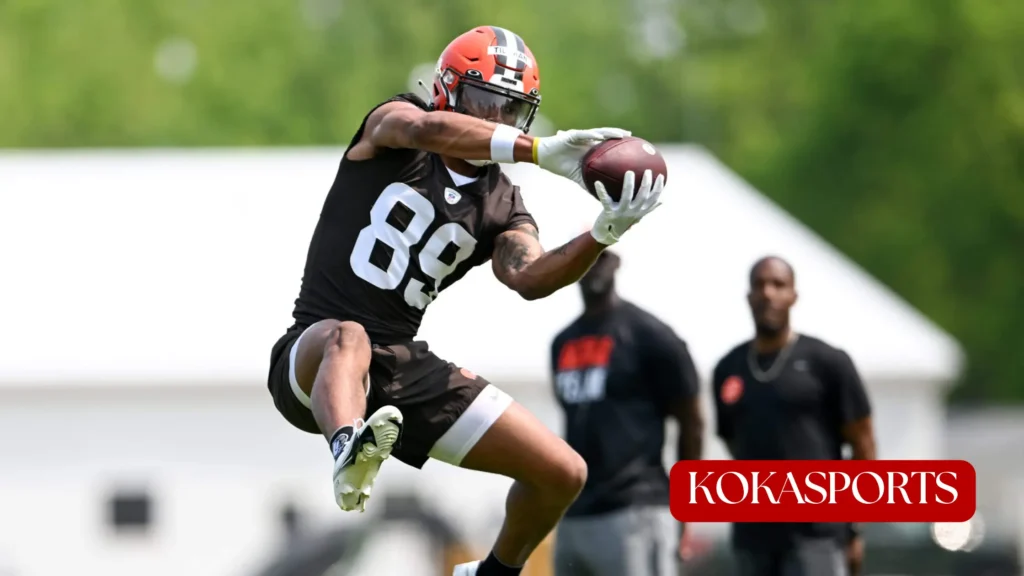
The Complete NFL Offseason Calendar for 2026
The 2026 NFL offseason follows the rules set by Article 21 of the 2020 Collective Bargaining Agreement (CBA) between the NFL and the NFL Players Association
Teams began their offseason training programs in mid-April and will continue through mid-June before breaking for summer.
Here’s what the typical timeline looks like:
- Mid-April: Phase One begins (two weeks, strength and conditioning only)
- Late April to May: Phase Two starts (three weeks, individual and group drills at walk-through pace)
- May to Early June: Phase Three begins (OTAs – ten practice days)
- Mid-June: Mandatory minicamp (three days)
- Mid-to-late July: NFL training camp opens
Exact dates are different for each team. For the full schedule, see every team’s 2026 OTA dates from ESPN.
2026 NFL OTA Schedule Breakdown by Phase
Phase 1: The first two weeks of phase one are all about getting players back into shape. No footballs allowed on the field, no coaches directing football activities. Players work exclusively with strength and conditioning staff in the weight room and during conditioning drills. These sessions can last up to four hours per day.
Phase 2: The next three weeks allow coaches to work with players, but only on individual skills. Quarterbacks throw to receivers, defensive backs work on footwork, linemen practice technique all without team coordination. This phase prepares players for the more complex work ahead.
Phase 3 (Full OTAs): The four weeks of Phase Three bring real football back to practice fields. Teams can conduct ten days of OTAs spread across four weeks, usually scheduling practices on Tuesday, Wednesday, and Thursday. These sessions include full on-field work with 7-on-7 passing drills, 9-on-7 run-game work, and full 11-on-11 drills where the entire offense faces the entire defense.
Mandatory Minicamp vs Voluntary OTAs
This distinction confuses many fans. OTAs are voluntary, meaning players can skip them without facing fines or penalties. However, mandatory minicamp for veteran players is exactly what it sounds like required attendance. Players who skip minicamp face fines unless they have excused absences.
Under Article 22 of the CBA, each team can hold one mandatory minicamp for veterans, and it must take place during Phase Three, usually in June.
Extra Minicamp for New Head Coaches
Teams with a new head coach can hold one extra voluntary minicamp for veterans before the NFL Draft. In 2026, 10 teams held one.
What Happens at Mandatory Minicamp
Minicamp week usually starts with physicals and medical checks on Monday, so the team knows every player’s health status. The three practice days that follow are longer than normal OTA days, with up to 10 hours at the facility and 3.5 hours on the field.
Rookie Minicamp Dates & Purpose
Each team can run a seven-week rookie development program. Teams also hold one rookie minicamp on the first or second weekend after the NFL Draft, where draft picks and undrafted free agents get their first taste of NFL practice. Rookies are paid too: $179 per day in the 2026 and 2027 league years, if they complete four of five scheduled workouts each week.
When NFL Training Camp Begins After OTAs
After minicamp ends in June, players get about five to six weeks off before training camp opens in mid-to-late July. This break lets players rest, recover, and prepare for the grueling intensity of camp. When NFL training camp begins, the voluntary nature of spring workouts disappears: everyone must report or face consequences.
NFL OTAs Explained : Rules, Restrictions, and What Players Can Do
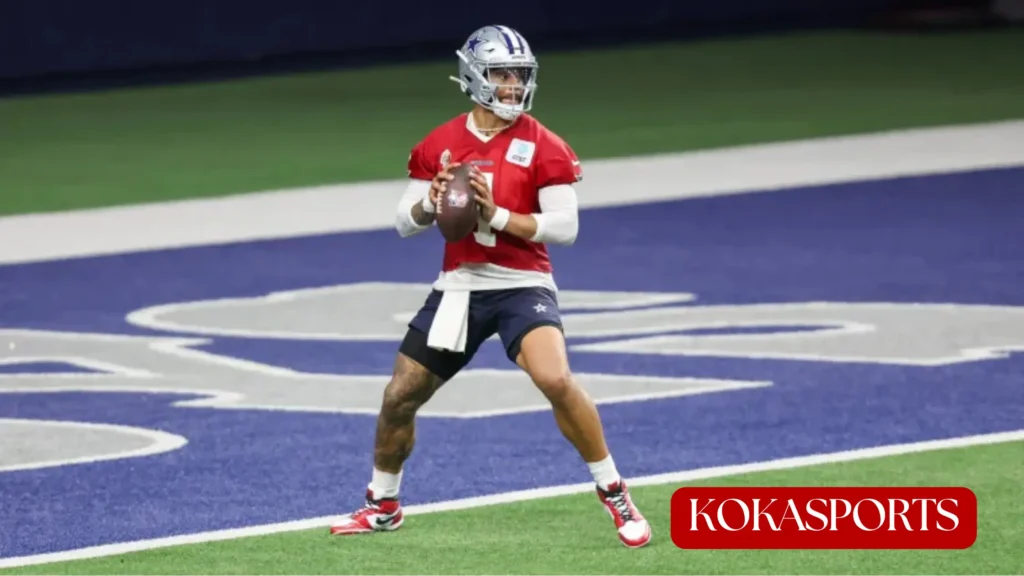
Contact Rules During NFL OTAs
The most important rule during OTA football: absolutely no contact. Article 21 of the agreement specifies that drills during OTAs must be conducted without live contact. Offensive linemen can’t physically engage defensive linemen. Defenders can’t tackle ball carriers. Receivers can’t be pressed at the line of scrimmage.
This rule exists to protect player health during the offseason. With no pads and no tackling, injury risk drops dramatically. Players get to practice timing, routes, and assignments without the wear and tear of full-speed collisions.
Helmet, Pads, and Equipment Rules
Players can wear helmets during phase three OTAs, but absolutely no pads. No shoulder pads, no thigh pads, no full protective equipment. This limitation reinforces the no-contact rule without proper protection, hitting would be dangerous.
The walk-through nature of many drill sequences means players don’t need heavy equipment anyway. They’re learning plays, timing routes, and building chemistry rather than simulating game conditions.
Limitations on Drills and Practices
Teams can only hold ten practice days during OTAs, and each session has time limits. The team’s coaching staff must carefully plan how to use this limited time. They can’t just run endless drills every minute counts toward the total allowance.
Additionally, special teams drills are allowed but must follow the same no-contact rules. Punters and kickers practice, return units work on spacing and timing, but no one actually blocks or tackles.
What Coaches Are Allowed to Teach During OTAs
Coaches can teach everything during OTAs except full-contact techniques. They install offensive and defensive schemes, walk through special teams plays, and drill position-specific skills. The head coach uses this time to establish team culture and expectations.
Players and coaches spend hours in meeting rooms going over film, learning terminology, and studying opponents. The classroom work during OTAs often exceeds the on-field practice time.
The Role of Strength & Conditioning Sessions during OTAs
Strength and conditioning work continues throughout phase three even as football activities increase. Strength and conditioning activities help players build the physical base they’ll need for training camp and the regular season. Many teams schedule weight room sessions before or after organized team practice activity on the field.
Why the NFLPA Monitors OTA Practices Closely
The NFL’s union watches OTAs carefully because teams have historically pushed boundaries. Some coaches tried to run more intense practices than rules allowed, putting players at risk during voluntary sessions. The NFL’s offseason rules exist partly because of these past violations.
Now, union representatives can observe practices to ensure compliance. If teams violate rules, the union can file grievances and push for penalties. This monitoring protects players from being pressured into unsafe situations during what should be low-intensity sessions.
Purpose of OTAs in the NFL Offseason : Why They Matter in 2026
Building Chemistry with New Coaches and Teammates
Every offseason brings roster changes through the draft, free agency, and trades. OTA football gives these new pieces their first chance to work together. A quarterback needs to learn his receivers’ tendencies. Offensive linemen must synchronize their footwork. Defensive backs need to communicate coverage adjustments.
This chemistry-building process can’t happen through individual workouts or film study alone. Players must practice together, make mistakes together, and develop the team’s identity together. OTAs provide the first opportunity for this crucial bonding.
Introducing New Playbooks Before Training Camp
When teams hire new coordinators or change systems, they use OTAs to teach the new playbook gradually. Rather than overwhelming players with everything at once during training camp, coaches can introduce concepts piece by piece during spring sessions.
By the time NFL training camp arrives, players already know the base offense or defense. Camp becomes about refining execution rather than learning from scratch, giving teams a significant advantage when the regular season starts.
Early Competition for Starting Jobs
While OTAs don’t feature game-speed competition, they still matter for players fighting for roster spots and starting positions. Coaches watch which players grasp concepts quickly, who shows natural leadership, and who consistently makes plays even in non-contact settings.
Young players trying to crack the lineup need to stand out during OTAs to earn more opportunities in training camp. Veterans trying to hold off challengers must prove they still belong. These competitions shape depth charts long before preseason games begin.
Evaluating Rookies After the NFL Draft
Drafted rookies arrive at OTAs with tremendous expectations and minimal preparation time. They must learn a professional playbook, adjust to faster teammates, and prove they deserve their draft position. Teams use OTAs to gauge how quickly rookies can contribute.
Some rookies flash immediately and earn early playing time. Others struggle with the transition and need more development. Either way, OTA performance gives coaching staffs valuable data about their rookie class’s readiness.
Conditioning and Injury Prevention
Even without contact, OTAs serve an important physical purpose. Players spent the winter and early spring working out individually or in small groups. Organized team sessions let them build football-specific conditioning gradually rather than jumping straight into training camp’s intensity.
This gradual progression helps prevent soft-tissue injuries that often occur when players aren’t properly conditioned. The combination of strength and conditioning work and on-field activity prepares bodies for the demands ahead.
Conclusion
OTA football might not generate the excitement of regular-season games, but it plays an essential role in every team’s success. These spring practices allow NFL teams to install systems, evaluate talent, build chemistry, and prepare for the intensity of training camp and beyond.
For fans, OTAs offer the first glimpse of how their favorite team might look in the fall. Will the rookie quarterback show promise? Can the new defensive coordinator’s system work? Which players are stepping up as leaders?
The answers begin taking shape during those spring weeks when players return to team facilities. From the first two weeks of conditioning through the final mandatory minicamp, every session brings teams one step closer to their real goal: winning games when they count.
Keep an eye on OTA news every spring, because what happens in these sessions often hints at how teams will look in September. Teams that make the most of their offseason workout time give themselves the best chance to compete when the regular season arrives.
FAQs
What does OTA mean in football?
OTA stands for Organized Team Activities: voluntary, no-contact practices held during Phase Three of the NFL offseason program.
Are OTAs mandatory?
No. OTAs are voluntary. Only the three-day minicamp is mandatory for veterans.
How many OTA days can teams hold?
Up to 10 days, spread across the four weeks of Phase Three.
What is an OTA in football?
A voluntary, no-contact practice session during the NFL offseason where teams work on plays and conditioning without pads or tackling.
Do players get paid for OTAs?
Yes. Under the 2020 CBA, players earn a daily payment for offseason workouts: $340 per day in the 2026 and 2027 league years, as long as they complete three of the four scheduled workouts that week. Some veterans also have workout bonuses in their contracts for attending the offseason program.
Why do players skip OTAs?
Players skip to rest, train independently, avoid injury risk, or protest contract situations.
What does the OTA stand for?
“Organized Team Activities” – structured NFL offseason practice sessions with specific league rules.