
If you have ever watched a broadcast and heard an analyst say a defender is playing the “7 technique,” you might have wondered what that number actually means. It sounds like code, and in a way it is. The 7 technique football term is part of a simple numbering system that tells coaches, scouts, and fans exactly where a defensive lineman is standing before the ball is snapped.
In this guide we will break down what a 7 technique is, where it lines up, how it fits into the wider defensive line numbering system, and what the player at that spot is actually asked to do on run and pass plays. By the end you will be able to spot a 7 technique on your own and understand why it is one of the most important alignments on a four man defensive front. Next time you catch a game on live sport on TV, watch the strong side of the defense and you will start to see it for yourself.
What Is a 7 Technique in Football?
A 7 technique is an alignment designation for a defensive lineman who lines up on the inside shoulder of the tight end, just outside the offensive tackle. He is shaded toward the gap between the tackle and the tight end, which is called the C gap.
This is not a position in the way “defensive end” or “linebacker” is a position. It is a location. The same player could line up as a 5 technique on one snap and a 7 technique on the next, depending on the call. The number simply describes where his helmet is in relation to the offensive blockers.
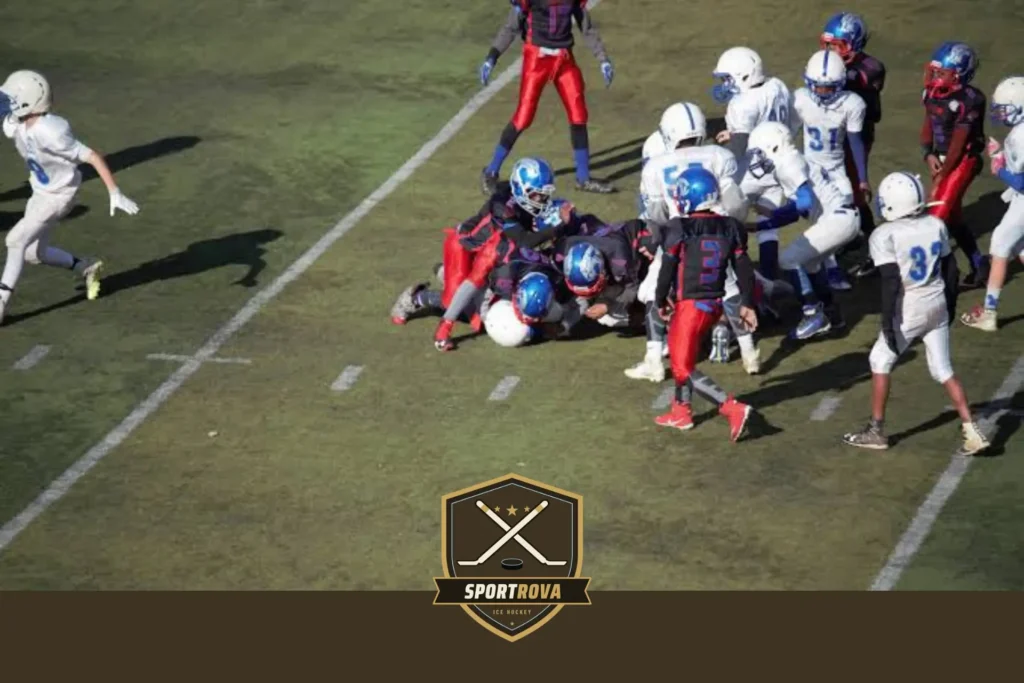
Most of the time the 7 technique is manned by a strong side defensive end in a four down front. He needs to be stout enough to hold his ground against the run and quick enough to rush the passer off the edge, which makes it a demanding job for the player who fills it.
Where the 7 Technique Lines Up
Picture the offensive line from the defense’s point of view. You have the center in the middle, a guard and a tackle on each side, and a tight end attached just outside one of the tackles. The 7 technique defender places himself over the inside shoulder of that tight end.
That alignment puts him directly in control of the C gap, the lane between the offensive tackle and the tight end. Many off tackle running plays are designed to hit that gap, so the 7 technique is often the first line of defense against power and counter runs. Because he is wedged between two blockers, he is also a frequent target for double teams in the running game.
The Defensive Line Numbering System (0 to 9)
The 7 technique is one number in a larger system that covers the whole front. The rule is easy to remember once you know it. Even numbers mean the defender is lined up head up, helmet to helmet with a blocker. Odd numbers mean he is shaded to a shoulder.
Here is how the standard system breaks down:
| Technique | Alignment |
|---|---|
| 0 | Head up on the center |
| 1 | Shoulder of the center |
| 2 | Head up on the guard |
| 3 | Outside shoulder of the guard |
| 4 | Head up on the tackle |
| 5 | Outside shoulder of the tackle |
| 6 | Head up on the tight end |
| 7 | Inside shoulder of the tight end |
| 9 | Outside the tight end or last man on the line |
As you can see, the 7 technique and the 5 technique are close cousins. Both play the C gap area, but the 5 sits on the outside shoulder of the tackle while the 7 sits on the inside shoulder of the tight end. The numbering system is widely credited to legendary coach Bear Bryant, who is reported to have standardized it during his time at Texas A&M, though the exact history is debated.
7 Technique vs 6 Technique
This is where a lot of fans get tripped up, so it is worth slowing down. In the modern and most common usage, the 6 technique lines up head up on the tight end, while the 7 technique lines up on the tight end’s inside shoulder.
There is a historical wrinkle worth knowing. Some older versions of the numbering system, including the one tied to Bear Bryant, swap the 6 and the 7, so that the odd number stays consistent with the shoulder rule. Because of this, you will occasionally see the two used differently from one staff to another. For a clean rule of thumb that matches how most NFL and college broadcasts use the terms today, remember this: 6 is head up on the tight end, 7 is on the inside shoulder of the tight end.
Gaps on the Defensive Line: A, B, C, and D
You cannot fully understand the 7 technique without understanding gaps, because gap responsibility is the whole point of lining a defender up in a specific spot. Gaps are simply the spaces between offensive players, and they are labeled with letters that move outward from the center.
- A gap: the space on either side of the center, between the center and each guard
- B gap: the space between the guard and the tackle
- C gap: the space between the tackle and the tight end
- D gap: the space outside the tight end
The 7 technique is responsible for the C gap. That single assignment is what defines his run fits and tells him where to be when the ball is handed off.
The 7 Technique’s Job on Run and Pass
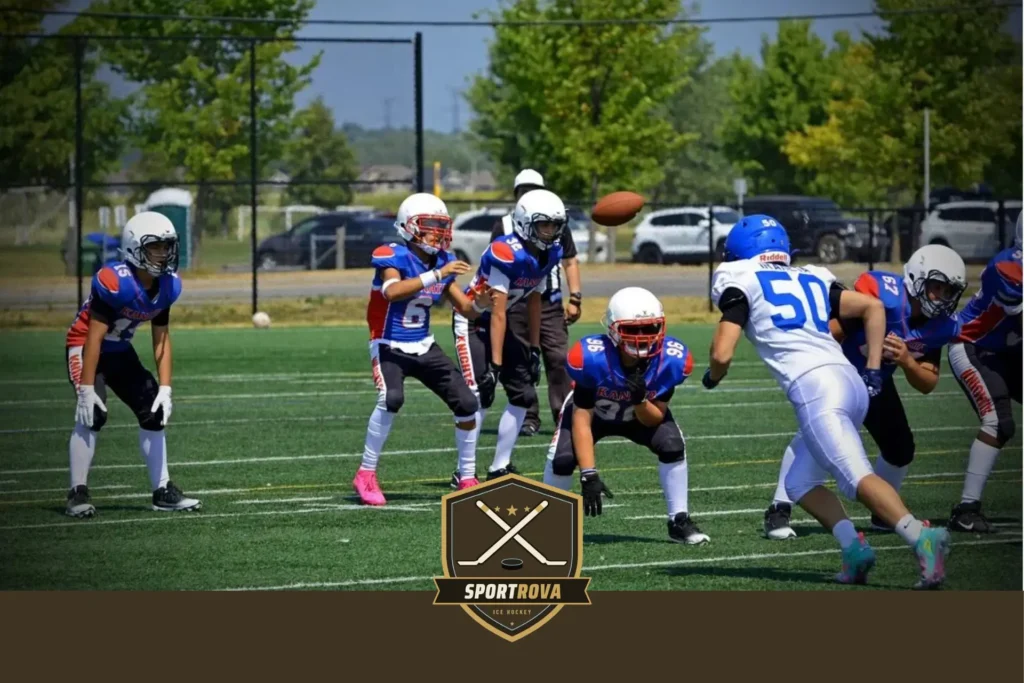
A good 7 technique has to be a complete player, because he is asked to do two very different things well.
Against the run, his primary task is force and contain. As the likely end man on the line of scrimmage, he has to set the edge, which means keeping ball carriers from bouncing runs outside the tackle box and forcing them back inside to the pursuit. He must hold his gap and not get washed down or hooked by the tight end.
Against the pass, the 7 technique becomes an edge rusher. He uses outside leverage to get around the corner and pressure the quarterback. Many teams also ask him to deliver a quick jam on the tight end before rushing, which slows the tight end’s release into a route and disrupts the timing of the pass.
Coaching the 7 Technique: Beating Blocks
Coaches, including those who write for USA Football, spend a lot of time teaching the 7 technique how to recognize and defeat the blocks the tight end throws at him. There are three common ones.
The down or base block is the toughest to defend, because the tight end has a good angle at the snap. The best answer is quickness. Get penetration upfield the moment you feel pressure in your gap, since nothing beats a gap scheme like a defender who is already in the backfield.
The arc release is when the tight end loops outside to block a second level defender. When this happens, the 7 technique has to get his eyes inside to the next threat, usually a pulling guard or a fullback, and take on that blocker based on the defense’s force call.
The cutoff block shows up on plays running away from the 7 technique. Here the danger is getting sealed off from the C gap. The defender has to flatten down the line of scrimmage and chase the play while staying disciplined, going to where the back is supposed to end up rather than where he is at the moment.
The 7 Technique in Different Defensive Fronts
The 7 technique shows up most often in four down fronts, but it is flexible. In a 4-3 defense it is the classic strong side end spot. In the 4-2-5, a defense built to handle today’s spread offenses, coaches still use the 7 technique to control the C gap against the run while keeping lighter bodies on the field for coverage.
Some staffs disguise the look by starting a player in a wider 9 technique and slanting him inside into the C gap after the snap, which gives the offense a different picture while still getting a defender to the same gap. Fronts can also be set as “over” or “under,” which changes which shoulder the linemen align to and shifts gap responsibilities across the front seven.
NFL Examples and Prototypes
Across the NFL you will find plenty of strong side ends who make their living in this alignment. Analysts at Pro Football Focus have grouped the 6 and 7 technique spots together as the home of the prototypical 4-3 defensive end, pointing to players who spent the bulk of their snaps controlling the edge on the tight end side. These are the ends who have to be strong enough to anchor against the run and quick enough to win as pass rushers, the exact blend of traits the 7 technique demands.
FAQs For 7 Technique Football
What is a 7 technique in football?
It is an alignment where a defensive lineman lines up on the inside shoulder of the tight end and is responsible for the C gap.
What gap does the 7 technique play?
The C gap, which is the space between the offensive tackle and the tight end.
What is the difference between a 6 and a 7 technique?
In modern usage the 6 technique is head up on the tight end, while the 7 technique is on the tight end’s inside shoulder.
What position plays the 7 technique?
Usually a strong side defensive end in a four down front, though some outside linebackers line up there too.
Conclusion
The 7 technique football term is simply a way of saying a defender is lined up on the inside shoulder of the tight end, responsible for the C gap. He is usually a strong side defensive end in a four down front who sets the edge against the run and rushes the passer from the edge. Remember the even and odd rule, keep the gap letters straight, and you will be able to read defensive fronts like a coach.
Want to go deeper on the rest of the defense? Start with the basics of the defensive line numbering system, then learn how the 4-3 defense and the 4-2-5 defense use these alignments, and see how the C gap and run fits tie the whole front together.