
There’s a moment most soccer fans know well. The whistle goes for halftime. You stay on the couch, but your head is already somewhere else. The game fades into background noise while the TV fills the screen with slow-motion replays and studio chatter. By the time the teams walk back out, it takes a few minutes to feel properly “back in” the match again. Some matches pull you straight back in. Others don’t, and you notice the difference.
That drift of attention isn’t accidental. Watching soccer at home is built around pauses. Halftime, injury delays, VAR checks, and long substitutions stretch the match into something stop-start. In the stadium, these gaps are filled by noise and movement. At home, they feel like dead air. The way fans watch soccer from their living rooms has quietly changed because of those empty spaces.
The Strange Rhythm of Halftime at Home
Halftime in the stadium feels short. People stand, stretch, argue about missed chances, complain about refereeing calls, and queue for drinks. The crowd doesn’t really switch off. Even when the teams leave the pitch, the match still feels alive in the noise around you.
At home, halftime lands differently. The room goes quiet unless the TV is turned up. Some fans head to the kitchen. Others half-watch studio analysis they’ve already heard versions of before. The first half ends with tension, then the broadcast drains some of it away with adverts and talking heads.
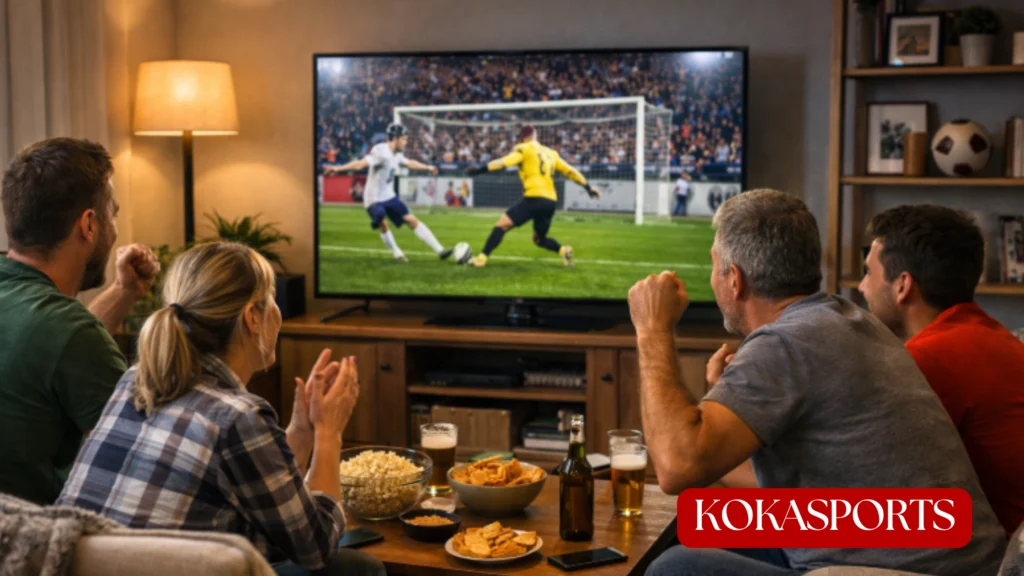
This changes how the second half feels. Even if the soccer improves, it can take time to rebuild that edge. The match has to “start again” in the viewer’s head. That reset doesn’t happen in the stadium, where the noise and movement keep the mood ticking over without much effort.
Halftime analysis also nudges opinion more than people admit. Viewers are told what mattered, which player looked off, and which moment should be replayed again. By the time the second half starts, many fans are already watching for the things the studio team pointed out, whether they realise it or not.
Why Long Stoppages Feel Heavier on TV
Stoppages are part of soccer. Injuries happen. Substitutions take time. Referees stop play to check decisions. In the stadium, these moments feel like short interruptions. Someone near you shouts. A chant starts and dies out. The game still feels present.
On TV, stoppages feel heavier. The camera lingers. The same incident is replayed from three angles, then a fourth. Commentators circle the same point, sometimes filling silence because there’s nothing else to say. What was a sharp moment turns thin when it’s stretched out.
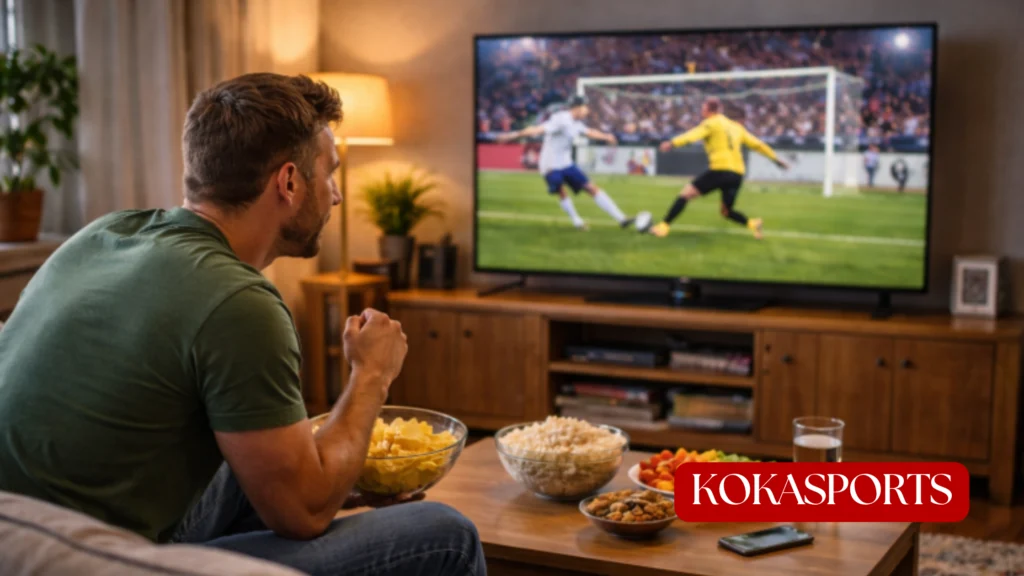
This changes how moments land emotionally. A late challenge followed by a long delay loses its punch. By the time play restarts, the feeling has cooled. You’ve already “used up” the reaction. The restart feels less like a continuation of the match and more like the broadcast picking up again.
There’s also the simple temptation to drift. When nothing is happening on the pitch, attention slides. People glance at phones, check another score, or step out of the room for water. The stop-start rhythm invites this. Over a full match, focus breaks into small pieces rather than one long stretch.
How Second Screens Have Become Part of Watching Soccer
Once stoppages create space, something else moves into that space. The second screen. Phones are always within reach. Laptops sit open on coffee tables. The match becomes one stream of attention, not the only one.
Some fans use these pauses to dig into the game. They look up quick stats, check line-ups again, or see what other supporters are saying. Others wander further. They scroll through messages, news, or content that has nothing to do with soccer. It’s easy to drift for thirty seconds and slide back in when play resumes.
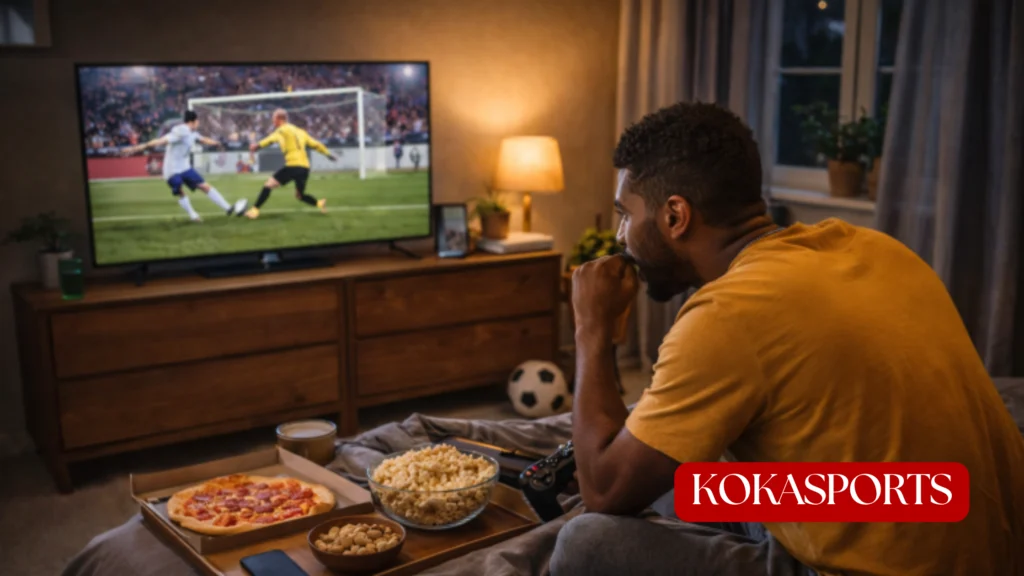
Sometimes that drifting leads people into things that have no link to the match at all. During longer pauses, a few viewers end up clicking around forums, watching short clips, or even reading reviews of popular slot titles out of idle curiosity. The soccer match stays on the TV, but attention has already stepped outside the room.
This split focus changes how matches are remembered. Goals still stand out. Big calls still spark reaction. But the quieter parts fade. The match becomes a string of moments rather than a continuous story. The build-up between chances loses weight when attention is always ready to wander.
Broadcasters have clearly noticed this. Pauses are rarely left empty. Graphics appear. Commentators keep talking. The screen stays busy even when the ball isn’t moving. The broadcast competes with the phone in your hand.
Read Also: How Long is a Football Field? Complete Guide to Football Field Dimensions
How This Has Changed the At-Home Soccer Experience
Soccer on TV used to ask for patience. Long spells of possession, slow build-ups, and quiet phases were part of the experience. Now, the pauses feel longer because there are more ways to fill them. The match has to work harder to keep attention.
This changes how fans talk about games later. Conversations lean toward incidents. The flow of the match matters less. People remember goals, mistakes, and controversial calls. The spaces between them blur together.
It also changes expectations. Some fans grow restless during slow matches at home, even if those matches would feel tense in person. Without the crowd’s energy, quiet stretches feel empty. The stop-start nature of TV soccer makes patience harder to keep.
This doesn’t mean watching at home is worse. It’s just different. The screen reshapes the rhythm of the sport. Halftime and stoppages don’t just break the game into parts. They quietly shape how fans experience soccer from the couch.
Watching With the Pauses in Mind
Noticing these patterns changes how you watch. Some fans stay with the broadcast during breaks. Others accept the drift and tune back in when the ball moves again. There isn’t a right way to do it. The point is simply being aware that halftime and stoppages guide attention more than we think.
Soccer at home isn’t only about ninety minutes anymore. It’s also about what happens in between. Those in-between moments decide whether the match feels immersive or fragmented. Once you see that, the at-home viewing experience makes a bit more sense.
Conclusion
Watching soccer at home is shaped as much by the pauses as the action. Halftime, VAR checks, and long stoppages break the rhythm and subtly guide attention elsewhere. Without the constant energy of the stadium, the experience becomes more fragmented, built around moments rather than flow. Recognizing this makes it easier to understand why some matches feel immersive while others feel distant.
FAQs
Why does halftime feel longer when watching soccer at home?
At home, the atmosphere goes quiet and studio coverage replaces crowd energy, which makes the break feel more noticeable.
Do stoppages affect how fans focus on a match?
Yes. Long injury delays or VAR checks create gaps that make it easier for viewers to lose concentration.
Why do fans use their phones during games?
Pauses in play create natural breaks, and many viewers instinctively turn to second screens to fill that time.