
11 personnel football is an offensive grouping with 1 running back, 1 tight end and 3 wide receivers. It is the most common package in the NFL, used on more than half of all offensive plays.
Walk into any NFL locker room or turn on any football broadcast, and you’ll hear coaches, players, and analysts constantly talking about “11 personnel.” But what does this mysterious term actually mean? And why is it so important in today’s game?
Not to be confused with the 11 positions in football, which are the players on the field, 11 personnel describes which skill players the offense sends out for a play
In football, personnel refers to which players are on the field at any given time. The 11 personnel in football grouping has become the bread and butter of modern NFL offenses because it gives teams the perfect balance of running and passing options.
In this guide, we’ll break down exactly what 11 personnel means, why it’s taken over the NFL, and how it compares to other offensive personnel groupings.
Personnel in Football: Complete Guide
Personnel in football simply means which players are on the field for any particular play. Every offensive play requires exactly 11 players on the field: five offensive linemen, one quarterback, and five other skill position players. The skill positions include running back, tight end, wide receiver, and sometimes fullback.
Coaches describe offensive personnel by counting the number of running backs and tight ends on the field. They don’t count the quarterback or offensive linemen because those positions stay the same on every play. The wide receiver fill in whatever spots are left over.
Defensive personnel works differently – defensive coordinators adjust their personnel to match what the offense is doing. If an offense puts three wide receivers on the field, the defense might bring in an extra defensive back to cover them.
Personnel groupings matter because they tell the defense what the offense might be planning. More running backs usually means more running plays. More wide receiver typically means more passing plays
What Is 11 Personnel in Football?
What is 11 personnel in football? The answer is surprisingly simple once you understand the numbering system.
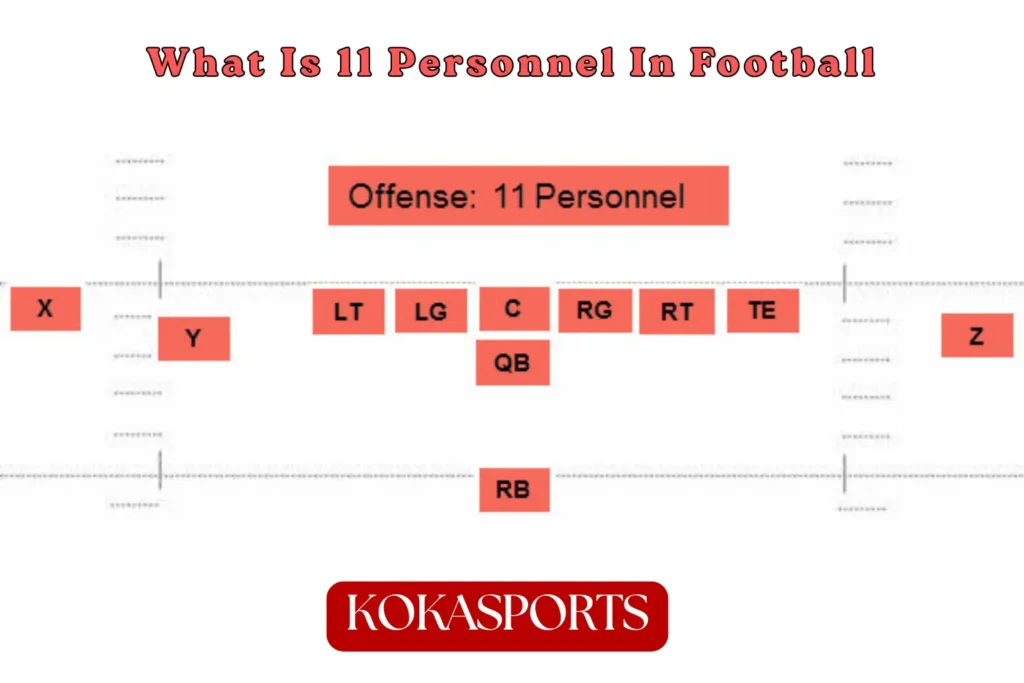
11 personnel means the offense has:
- 1 running back
- One tight end
- Three wide receivers
- Plus the standard five offensive linemen and 1 quarterback
The first digit tells you the number of running backs. The second digit tells you the number of tight ends. The remaining skill positions are automatically wide receiver.
Here’s a typical 11 personnel formation: The quarterback stands in the shotgun position. One running back lines up in the backfield. One tight end lines up on the line of scrimmage. Three wide receivers spread out across the field.
This grouping has become the most common personnel package in the NFL because it offers incredible versatility. Teams can run game effectively with their running back, or they can spread the defense out with three wide receivers and attack through the passing game.
How 11 Personnel Football Works
Understanding how coaches communicate personnel packages follows a simple pattern that every coach learns in football 101. The first digit always represents the number of running backs on the field. The second digit represents the number of tight ends.
For example, 21 personnel means 2 running backs and 1 tight end. 12 personnel means 1 running back and two tight ends. 13 personnel means 1 running back and three tight ends. 10 personnel means 1 running back and 0 tight ends. 22 personnel means 2 running backs and 2 tight ends.
Offensive personnel packages get communicated to players through hand signals, wristband codes, or calling out numbers. This system makes it easy for coaches to quickly communicate complex information about which package they want to use.
The Players That Make 11 Personnel Work
The reason 11 personnel is so successful comes down to the specific roles each player plays. Every position has a job, and when they all work together, it’s almost impossible to stop.
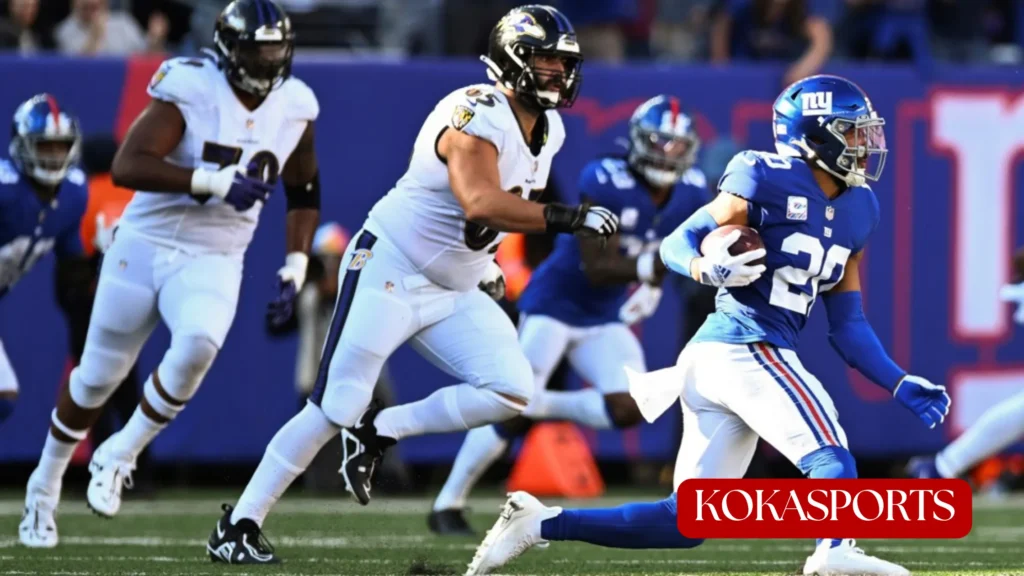
The Quarterback
The quarterback is the brain of any 11 personnel offense. With three wide receivers spread across the field, he needs to process information quickly reading coverages, identifying the open man, and making fast decisions. The best quarterbacks in 11 personnel are both accurate and mentally fast.
The Wide Receiver Trio
In 11 personnel, you always have wide receivers on the field in three spots:
- The X receiver lines up on the weak side, usually the team’s best outside route runner
- The Z receiver lines up on the strong side, often a yards-after-catch specialist
- The slot receiver lines up inside, the most important wide receiver in the whole system
The slot receiver is the engine of most 11 personnel offenses. They see the most targets, run the most routes, and create the most problems for defenses.
The Tight End
In 11 personnel, the tight end wears many hats. Unlike in 12 personnel where you have two tight ends to share the load, here there’s only 1 tight end doing everything. He blocks on run plays, runs routes in the pass game, creates mismatches against slower linebackers, and serves as a safety valve for the quarterback. Think Travis Kelce, George Kittle, or Mark Andrews elite athletes who can do it all.
The Running Back
Having just one running back might seem limiting, but it actually creates opportunities. With 1 running back in the game, defenses can’t always tell if a play will be a run or pass. The running back also becomes a weapon as a receiver out of the backfield, running check-down routes and screen passes. The best backs in 11 personnel
Why 11 Personnel is So Popular in the NFL
The rise of 11 personnel in the NFL didn’t happen by accident. This personnel group has taken over modern offense because it creates problems for defenses.
First, 11 personnel offers flexibility for play calling. With 1 running back in the backfield, teams can run all their favorite rushing plays. The run game stays effective because you have a dedicated ball carrier. At the same time, having three wide receivers means the passing game has plenty of options.
Second, this grouping spreads defenses out. When you put three wide receivers on the field, the defense has to decide whether to stay in their base defensive alignment or bring in extra defensive backs. Most teams now use a nickel package as their base against 11 personnel.
Third, 11 personnel creates natural mismatches. Linebackers struggle to cover wide receiver in space. These conflicts give good coach and quarterback opportunities to find weaknesses. The versatility also helps with no-huddle offenses since most plays can be run from this personnel package.
11 Personnel vs Other Offensive Personnel Packages
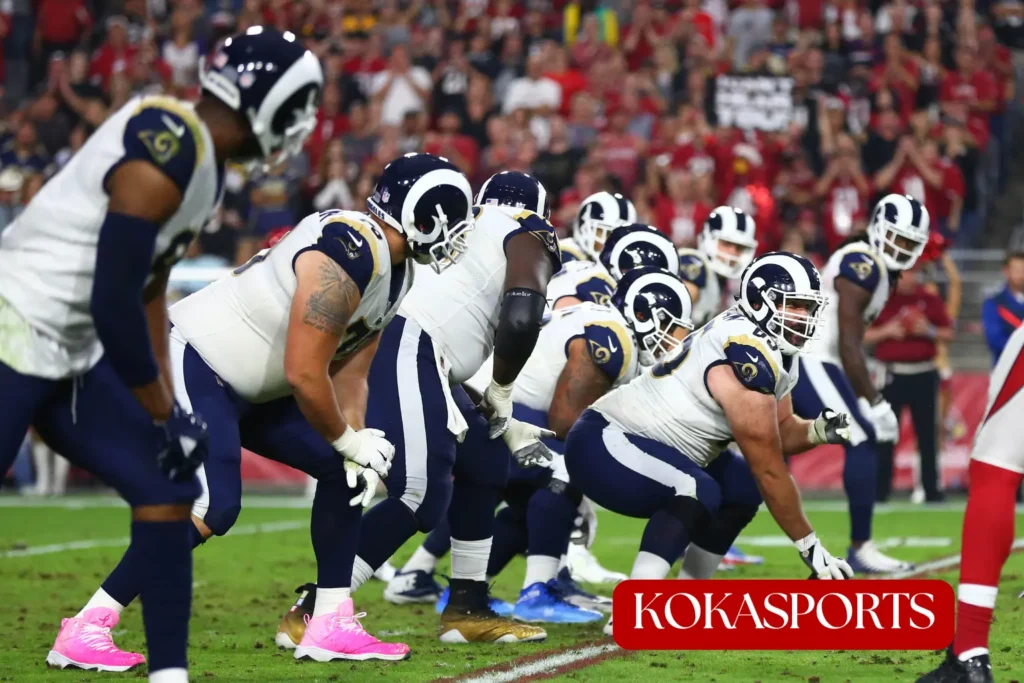
To understand why 11 personnel dominates, let’s compare it to other common grouping used in the NFL.
12 personnel gives offenses more blocking power for running plays but is less effective at stretching defenses because you only have 2 receivers on the field. The New England Patriots have used 11 personnel very effectively.
21 personnel is the classic power running formation. Having 2 running backs allows for lead blocking and physical running concepts. The downside is limited receiving options.
13 personnel is a heavy, goal-line package. Three tight ends create massive blocking advantages, but there’s almost no passing threat.
10 personnel is pure spread offense. This maximizes passing options but makes running much harder since you don’t have a tight end to help with blocking.
22 personnel is old-school football for goal line situations where teams need maximum blocking power.
The reason 11 personnel beats these alternatives is balance. It gives you legitimate threats in both run game and passing game.
For a direct side-by-side, see our 11 personnel vs 13 personnel comparison. And for every grouping from 10 to 23, read football personnel groupings explained.
How 11 Personnel Affects the Defense
When offenses show 11 personnel, defensive coordinators face immediate decisions about their own personnel usage. The presence of three wide receivers forces the defense out of their base defense.
The most common defensive response is the nickel package. This means bringing in a fifth defensive back to match up with the third wide receiver. The defense typically takes out a linebacker for this extra defensive back.
This creates interesting matchups. The nickel package gives defenses better coverage against receivers on the field, but it can be more vulnerable to running plays because there’s one fewer linebacker in the box.
Some defensive coordinators try to stay in base defense against 11 personnel, which means having a linebacker cover the slot wide receiver. Most NFL receivers on the field can create separation against linebackers on crossing routes.
Here is a quick summary of how defenses respond to 11 personnel, and the weakness of each option:
| Defensive Response | Description | Weakness |
|---|---|---|
| Nickel Package (5 DBs) | Replaces a linebacker with a DB | Lighter vs. run |
| Dime Package (6 DBs) | Even more pass coverage | Very light box |
| Man Coverage | DBs lock up receivers 1-on-1 | Vulnerable to pick routes |
| Zone Coverage | DBs cover areas, not men | Short passes available all day |
| Blitz | Extra pass rushers attack the QB | Leaves receivers open |
The bottom line is that 11 personnel forces the defense to make a choice, and no matter what it chooses, there is always a way to attack it.
Examples of 11 Personnel in the NFL
Modern NFL offenses have made 11 personnel their foundation. Sean McVay and the Los Angeles Rams have built their system around 11 personnel. McVay uses motion and shifts to create different looks from the same basic personnel package.
For years, Sean McVay’s Rams ran 11 personnel on the vast majority of their snaps. In 2025, though, they shifted heavily toward 13 personnel, showing how even the most committed 11 personnel teams adapt.
Teams across the league now use 11 personnel on more than half of their offensive plays. This represents a huge increase from even 10 years ago, when 12 personnel and 21 personnel were more common.
Some effective plays from 11 personnel include run-pass options where the quarterback reads the defense, four vertical routes that stretch the defense deep, quick slants that take advantage of soft coverage, and screen passes to the running back.
The tendency data shows teams are most successful with 11 personnel when they keep defenses guessing about run or pass calls.
How Coaches Decide Which Personnel Package to Use
Coach decision-making around personnel usage involves thinking several steps ahead. Down and distance play a huge role. On first down, 11 personnel offers flexibility. On third and long, teams might shift to 10 personnel. On third and short, 12 personnel might provide better blocking.
Field position also matters. Near the goal line, teams often switch to heavier personnel like 13 personnel. Game situation creates another layer – when behind, teams use more 10 personnel. When ahead, 21 personnel helps control the clock.
The best coaches use different personnel to disguise intentions. A head coach might call 12 personnel but motion the tight end out wide to create a formation that looks like 11 personnel.
Impact of 11 Personnel on Running and Passing
11 personnel supports both sides of the offensive attack. For running, one running back gives you a dedicated ball carrier. One tight end adds blocking. Three wide receivers can block downfield.
The passing game benefits even more. Having three wide receivers creates route combinations that stress different levels of the defense. Play-action becomes effective because the defense must respect the running threat.
The key difference from packages with 2 running backs is that 11 personnel gives you more speed and route-running ability. That third wide receiver creates more problems for defensive personnel.
The Future of Offensive Personnel Groupings in Football
Several factors suggest 11 personnel will remain popular. The continuing emphasis on passing favors personnel packages with more receivers on the field. However, some trends might push teams toward different personnel approaches.
The versatility required for modern 11 personnel creates challenges. Finding a running back who can pass protect and catch is difficult. Tight end need to block and run routes. Some coaches might use hybrid players or return to older personnel packages.
Conclusion
What is 11 personnel in football opens up a new way of watching the game. This personnel package – with 1 running back, 1 tight end, and three wide receivers – has become the foundation of modern NFL offenses.
Next time you watch an NFL game, pay attention to offensive personnel groupings. Notice how the defense adjusts their personnel in response. Understanding these concepts will help you see the strategic depth of football.
FAQs
What is 11 personnel football?
11 personnel football is an offensive grouping with 1 running back, 1 tight end and 3 wide receivers. It is the NFL’s most common package because it balances the run and the pass.
Is 11 personnel the same as the 11 positions in football?
No. The 11 positions are all the players on the field for one team. 11 personnel describes only the skill players: 1 running back and 1 tight end, with 3 wide receivers.
What does 11 personnel mean in football?
11 personnel means 1 running back, 1 tight end, and 3 wide receivers on the field.
Why is 11 personnel so common in the NFL?
It offers perfect balance between running and passing options and creates mismatches.
What’s the difference between 11 personnel and 12 personnel?
11 personnel has 1 tight end and 3 wide receivers, while 12 personnel has 2 tight ends and 2 wide receivers.
How does the defense adjust to 11 personnel?
Most teams use a nickel package – bringing in a fifth defensive back.
What are offensive personnel packages in football?
Offensive personnel packages are different combinations of skill position players teams put on the field.
How do coaches decide on which personnel package to use?
Coaches consider down and distance, field position, game situation, and tendency