
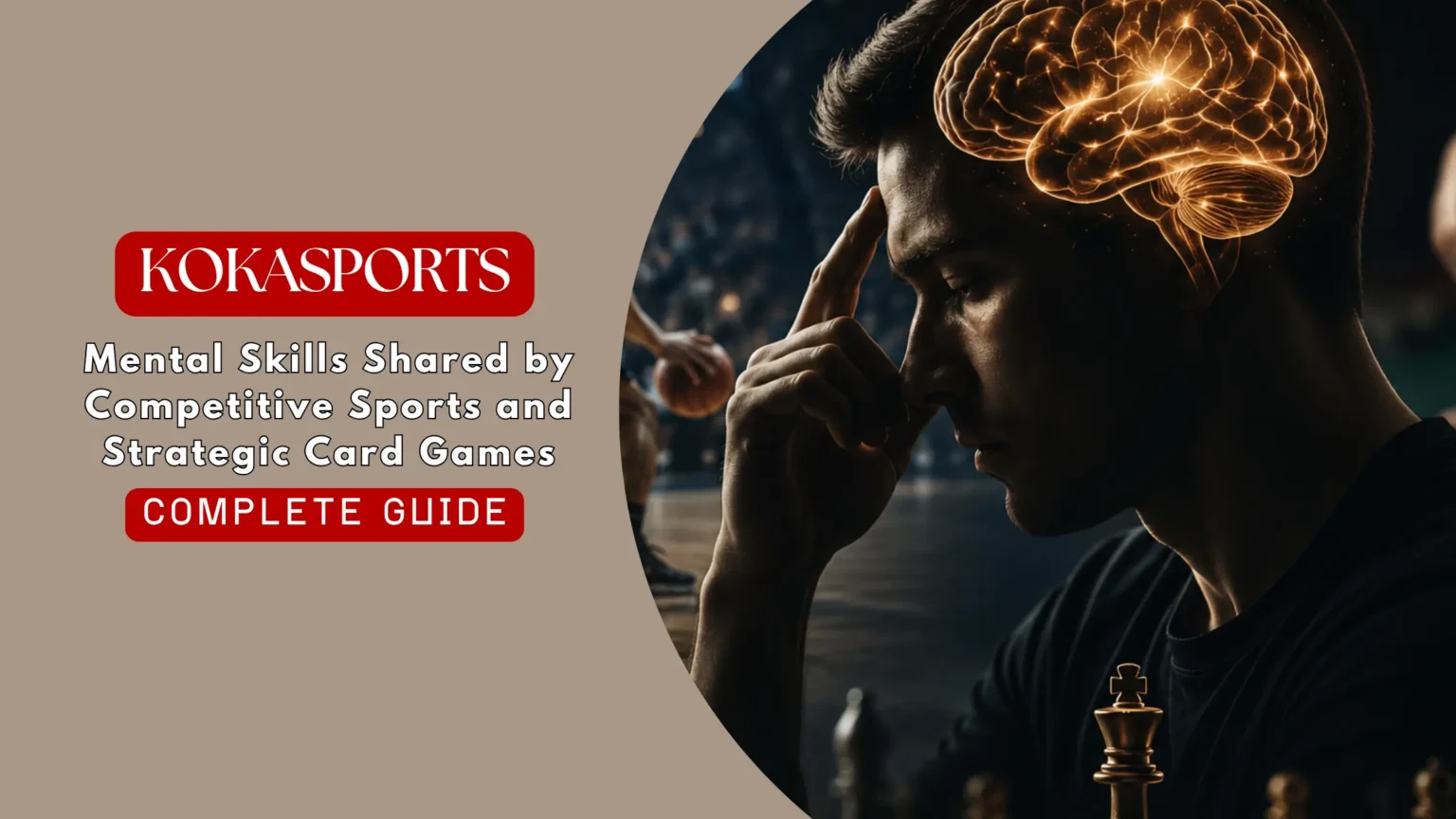
Ask a seasoned coach what separates a good athlete from a great one, and rarely will the first answer be about the body. More often it’s the head. Mental skills are what allow athletes to stay composed when the stakes spike, read a situation a half-second before it unfolds, and make the right call when there’s no time to think it through.
Those are the same instincts that show up at a poker table, where the best players win not with luck but with discipline. Similar skills are often seen in strategic casino games, whether competing in tournaments or playing bitcoin blackjack on platforms such as 7Bit Casino, where decision-making and emotional control can influence outcomes over the long run.
It’s no accident that athletes sometimes describe peak performance as “playing chess at a sprint.” The cognitive toolkit behind a clutch free throw and a well-timed fold overlaps far more than most fans realise. Pattern recognition, risk assessment, emotional control, and fast decision-making under pressure strip away the uniform and the felt, and you’re looking at the same set of mental muscles.
The Cognitive Overlap Between Sport and Strategy
Situational Awareness
On the pitch or at the table, performance lives or dies on awareness. A midfielder scanning the positions of nine other players is running the same mental program as a poker player tracking bet sizes, stack depths, and seat position all at once.
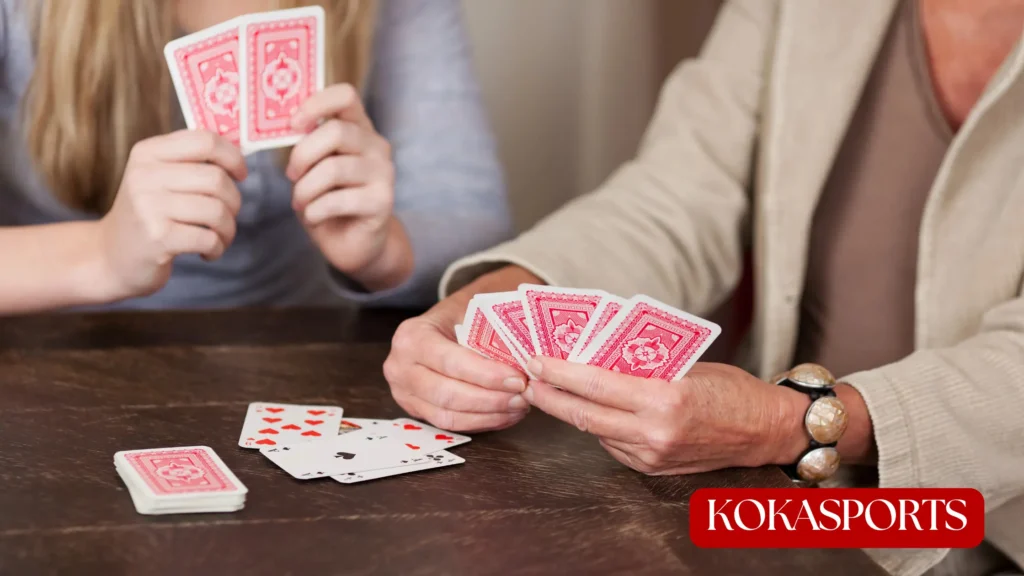
The shared building blocks look like this:
- Reading the field: spotting a pattern before it fully forms
- Modelling the opponent: anticipating the next move from what you’ve already seen
- Tracking resources: monitoring stamina, time, momentum, chips
- Scanning the environment: separating the signal that matters from the noise around it
Coaches call it “game sense.” Strategists call it “thinking ahead.” Different vocabulary, identical wiring.
Six Mental Skills That Cross the Divide
| Mental Skill | In Competitive Sport | In Strategic Card Games | Crossover Benefit |
|---|---|---|---|
| Focus Control | Blocking out crowd noise on a penalty kick | Ignoring variance after a bad beat | Performing under external pressure |
| Probabilistic Thinking | Reading win probability mid-game | Weighing pot odds and expected value | Data-driven decisions over gut instinct |
| Emotional Regulation | Composure after a defensive error | Tilt control after a losing run | Consistency when outcomes swing |
| Pattern Recognition | Reading an opponent’s movement tendencies | Identifying betting patterns | Faster, more accurate prediction |
| Adaptive Strategy | Adjusting tactics at half-time | Changing the plan mid-session | Flexibility over rigidity |
| Risk Calibration | Knowing when to press or protect a lead | Knowing when to push or fold | Sustainable long-term performance |
The encouraging part: every one of these is trainable. That’s the point performance coaches and serious strategists keep coming back to — none of it is innate magic.
Emotional Regulation: The Invisible Edge
Watch a tense tennis match and you’ll see a player snap a muttered curse, a slammed racket and then reel off five straight points. That reset isn’t a personality trait. It’s a trained skill, built over years.
The same ability separates steady card players from streaky ones. “Tilt” making bad decisions because emotions have taken the wheel is the table’s version of picking up two cheap fouls in the opening minutes. The countermeasures are nearly interchangeable:
- Pre-performance routines that anchor the mind before a big moment
- Breathing techniques that settle the body during a stress spike
- Outcome detachment judging the quality of the decision, not the result it happened to produce
- Reframing losses as information rather than personal failure
The footballer who lets go of a botched clearance by the second half and the player who sticks to the plan after a rough stretch are drawing on the exact same psychological reflex.
Probabilistic Thinking: Playing the Percentages
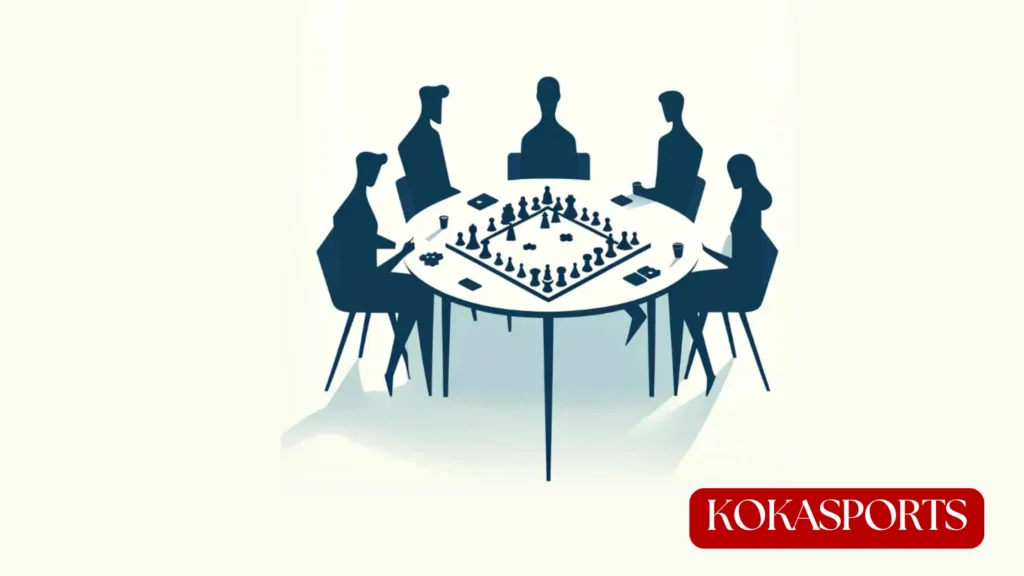
Elite decision-makers in both worlds think in odds, not certainties. A basketball coach calling a timeout isn’t telling the team “we will score.” They’re designing the play that gives the best chance at a good look.
Strong card players run the same calculation on every hand. Fold, call, or raise isn’t a question of certainty — it’s a question of which choice pays off best over time given what’s known right now.
That mindset produces a few telling habits:
- Embracing variance: accepting that a correct decision can still lose
- Respecting sample size: not rewriting the plan off a handful of results
- Updating on new information: revising your read as fresh evidence arrives
- Avoiding results-oriented thinking: grading the process, not the outcome
Pro sports teams have leaned on analytics for years to bake this in. The best strategic thinking has always run on the same logic.
Focus and the Power of the Present
Maybe the sharpest parallel of all is the ability to stay locked into the current moment.
A sprinter who starts doubting themselves in the blocks has already surrendered tenths of a second they’ll never recover. A player still replaying the last hand while the next one is live is making choices with half their attention. Same glitch, different setting: the mind has drifted out of the present.
Sports psychologists call the fix process focus narrowing in on the one thing you control right now, the decision in front of you, instead of the score, the last mistake, or what anyone’s thinking. Free-throw shooters drill it through pre-shot rituals. Disciplined players build it through routines that clear the slate before each new round.
Building Your Own Mental Game
Whether you compete on a court, a pitch, or across a table, the mental skills compound. It isn’t only about logging more hours it’s about training those hours with intent, treating the psychological side of performance as something to practise rather than hope for.
Cross-training between disciplines is the underrated move. Athletes who study strategic decision-making often sharpen their reads and steady their nerves. Strategists who borrow from sports psychology tend to handle swings better and hold their discipline longer.
The skills travel. The arena is just a detail.
While focus, discipline, and decision-making are essential, maintaining these abilities over a long season requires proper recovery. Athletes who neglect rest often struggle to perform at their peak when pressure rises. Effective Recovery Strategies can help competitors stay mentally sharp, manage stress, and sustain high-level performance throughout competition.
FAQs
Why are mental skills important in sports?
Mental skills help athletes stay focused, manage pressure, make quick decisions, and perform consistently during competition.
What mental skills do athletes and poker players have in common?
Both rely on emotional control, discipline, pattern recognition, risk assessment, and decision-making under pressure.
Can mental skills be improved?
Yes. Mental skills can be developed through practice, experience, visualization, mindfulness, and working with coaches or sports psychologists.
Conclusion
Physical talent matters, but it is often mental skills that make the difference when pressure is highest. Whether on the field, court, or at the poker table, the ability to stay calm, recognize patterns, assess risks, and make smart decisions can separate good performers from great ones. Developing these skills helps athletes and competitors maintain consistency and confidence when it matters most.