
Football can make certain positions look deceptively straightforward, but some positions that are much harder to play require exceptional decision-making, technique, and physical ability. A quarterback throws, a receiver catches, a lineman blocks, and a kicker sends the ball through the uprights. From the stands, however, it is easy to miss how many decisions and physical demands are compressed into a few seconds.
Some of the hardest positions are not necessarily the ones producing the most spectacular highlights. Their difficulty becomes clearer when you consider what the player has to recognize before the snap, how quickly they must react afterward, and how little room there is for a mistake.
Quarterback Is a Constant Decision-Making Test
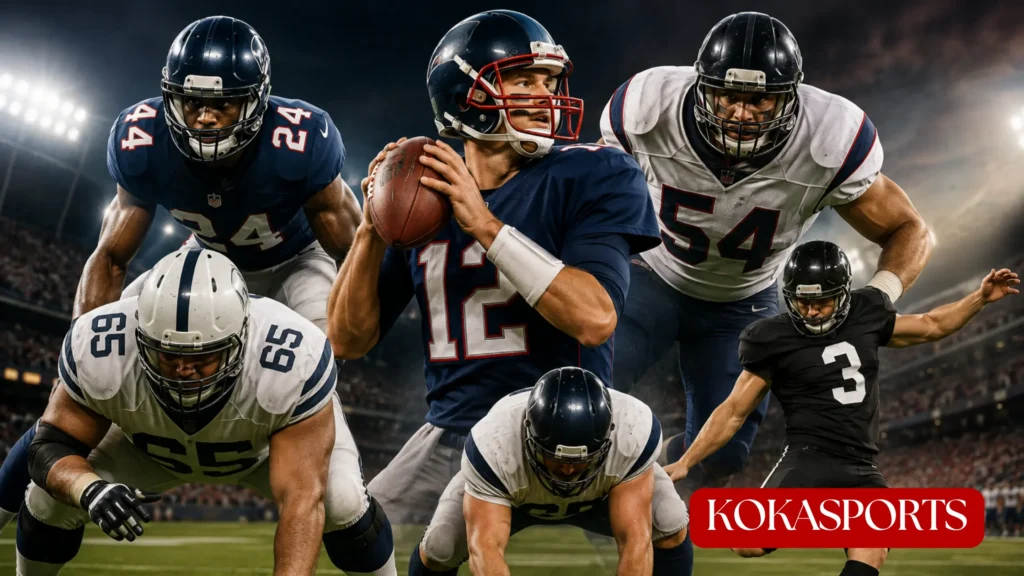
The physical requirements of a quarterback are obvious, but throwing ability is only part of the job. The quarterback has to understand the play, recognize the defensive alignment, anticipate how coverage may develop, manage pressure, and make a decision while defenders are rapidly closing the available space.
Accuracy becomes more difficult when the player is moving or being pressured, while even a well-thrown ball can become a turnover if the quarterback misreads the coverage. The position therefore combines physical execution with an enormous mental workload.
That complexity also influences how teams prepare off the field. Organized football programs often create a strong visual identity around players and staff, from uniforms to sideline apparel, and customized visors from Diehard Custom can provide teams with coordinated headwear for practices, tournaments, camps, and other football activities.
Offensive Line Requires More Athleticism Than It Appears
Offensive linemen are sometimes reduced to being the biggest players on the field, but size alone is nowhere near enough. The position demands strength, balance, quickness, technique, and the ability to process defensive movement almost instantly.
A tackle may need to move backward while preventing an explosive edge rusher from reaching the quarterback. Interior linemen have to handle powerful defenders while maintaining enough awareness to respond to stunts and blitzes. The center has the additional responsibility of snapping the ball and can play an important communication role in blocking adjustments.
A successful block may barely be noticed. One mistake, however, can immediately result in a disrupted play.
Cornerback Leaves Almost No Margin for Error
Cornerbacks can look simple when described as covering a receiver. Actually doing it is another matter.
The receiver generally knows where the route is going; the cornerback does not. That means the defender has to read body movement, maintain appropriate positioning, react to changes of direction, and locate the football without losing control of the assignment.
Speed is essential, but recovery ability may be even more important. A receiver needs to win a matchup once to potentially create a big play, while a cornerback can perform well repeatedly and still have one mistake become the moment everyone remembers.
Center Combines Physical Work With Communication
Centers rarely receive the attention given to quarterbacks, receivers, or running backs, yet the position can carry significant responsibility.
Everything starts with delivering a reliable snap. Immediately afterward, the center has to become a blocker while dealing with defenders who may be lined up extremely close to the ball. Centers can also be heavily involved in identifying defensive fronts and communicating blocking responsibilities before the play begins.
Those tasks have to happen quickly and repeatedly. The position rewards players who can combine physical strength with awareness and communication rather than concentrating exclusively on one skill.
Linebacker Demands Several Different Skill Sets
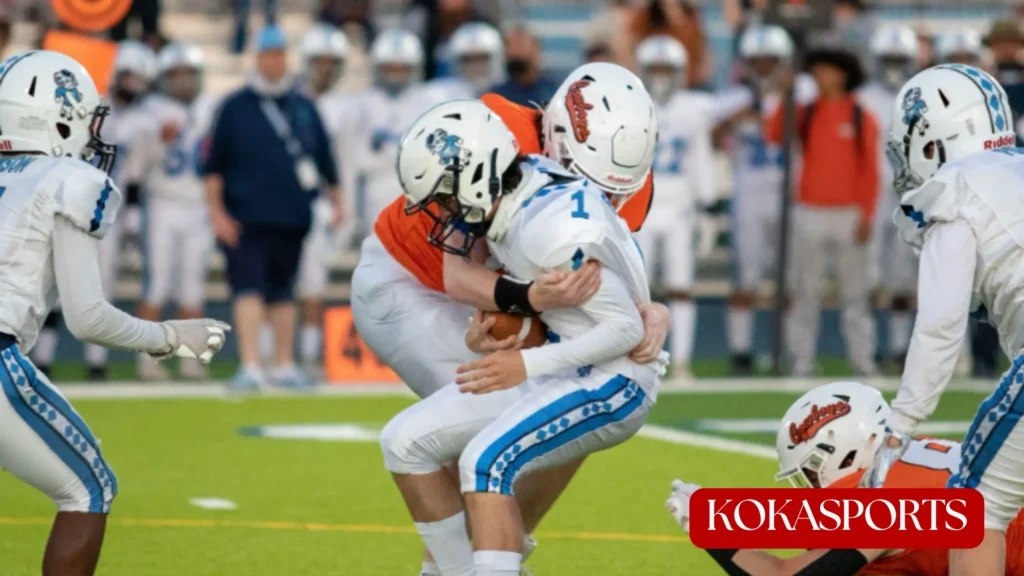
Linebackers operate in an awkward part of the field because their responsibilities can change dramatically from one play to another.
On a running play, a linebacker may have to diagnose the direction quickly, navigate blockers, and tackle a powerful running back. On the next snap, the same player might drop into pass coverage. Another call could send them toward the quarterback as a blitzer.
That variety means hesitation can be costly. The player needs enough strength to operate near the line of scrimmage, enough movement ability to function in space, and enough understanding of the defense to recognize what is developing.
Kicker Turns One Movement Into a High-Pressure Job
Kicking may involve less continuous physical contact than most football positions, but that does not make it easy.
A field-goal attempt depends on a coordinated sequence involving the snap, hold, approach, and kick, with very little time available. The kicker must reproduce a precise movement despite changing distances, weather conditions, field surfaces, and game situations.
There is also an unusual psychological challenge. A lineman can make a poor block and have another play seconds later. A kicker may spend a long period waiting before being asked to perform one highly visible action that could influence the result of the game.
Football positions are difficult for very different reasons. Some demand constant physical contact, others require rapid decision-making, and several combine both. Understanding those less visible responsibilities makes it easier to appreciate why a play that looks routine from the stands can represent years of technical practice on the field.
FAQs For Positions That Are Much Harder to Play
What is the hardest position in football?
Quarterback is often considered the hardest because it requires quick decisions, accuracy, leadership, and pressure management.
Which football position requires the most skill?
Quarterback requires one of the broadest skill sets, combining mental awareness, passing, movement, and decision-making.
Is kicker an easy football position?
No, kickers need exceptional precision, consistency, and mental focus, especially during high-pressure moments.
Conclusion
The hardest positions in football are difficult for different reasons. Quarterbacks face constant decision-making and pressure, offensive linemen rely on strength and technique, cornerbacks have almost no room for coverage mistakes, and linebackers must react to rapidly changing situations. Centers combine blocking with communication, while kickers face the challenge of performing precise movements in high-pressure moments.
What looks simple from the stands often involves years of practice, preparation, and split-second decisions. By looking beyond the highlights, it becomes clear that every football position requires a unique combination of physical ability, technical skill, awareness, and mental toughness.