
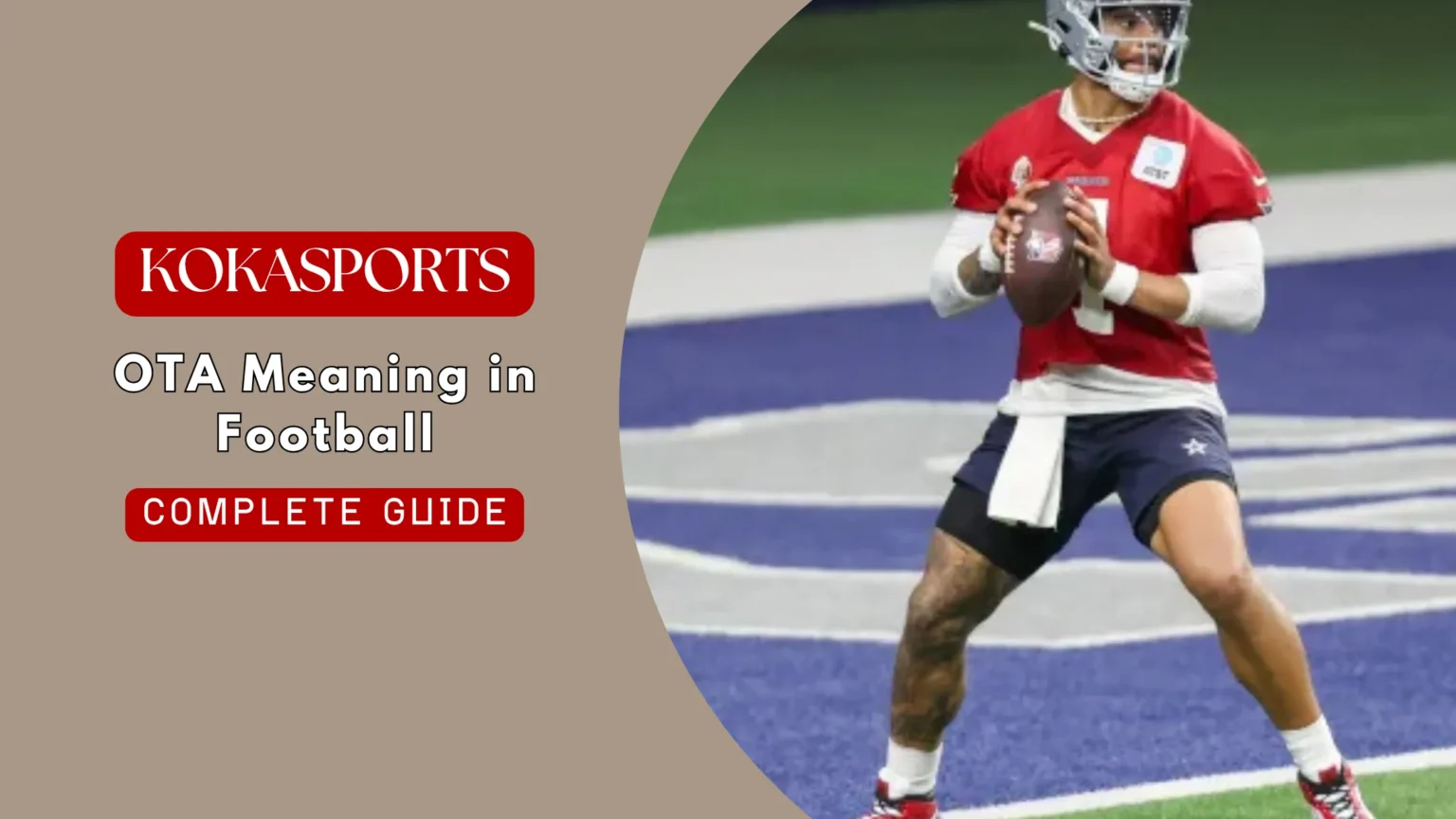
If you are looking for the OTA meaning in football, here is the quick answer. OTA stands for Organized Team Activities, which are voluntary offseason practices where NFL teams prepare for the season through meetings, drills, and non-contact workouts. They happen in late spring, mostly in May and June, well before training camp.
For years, every May my feed would fill up with OTA clips, players jogging around in shorts and helmets, and analysts breaking down throws like it was the playoffs. I would roll my eyes a little. It is not even real football, I thought. No pads, no tackling, no games that count, in the middle of the offseason.
Then I actually learned what OTAs are for, and I stopped rolling my eyes. These quiet spring practices quietly shape the entire season, deciding who learns the playbook, who builds chemistry, and who earns a real shot once the games matter. This guide explains exactly what OTAs are, when they happen, what players can and cannot do, how they differ from minicamp and training camp, and why coaches and players take them so seriously.
OTA stands for Organized Team Activities, which are voluntary offseason practices that allow football teams to prepare players for the upcoming season through meetings, drills, and non-contact workouts.
What Does OTA Meaning in Football?
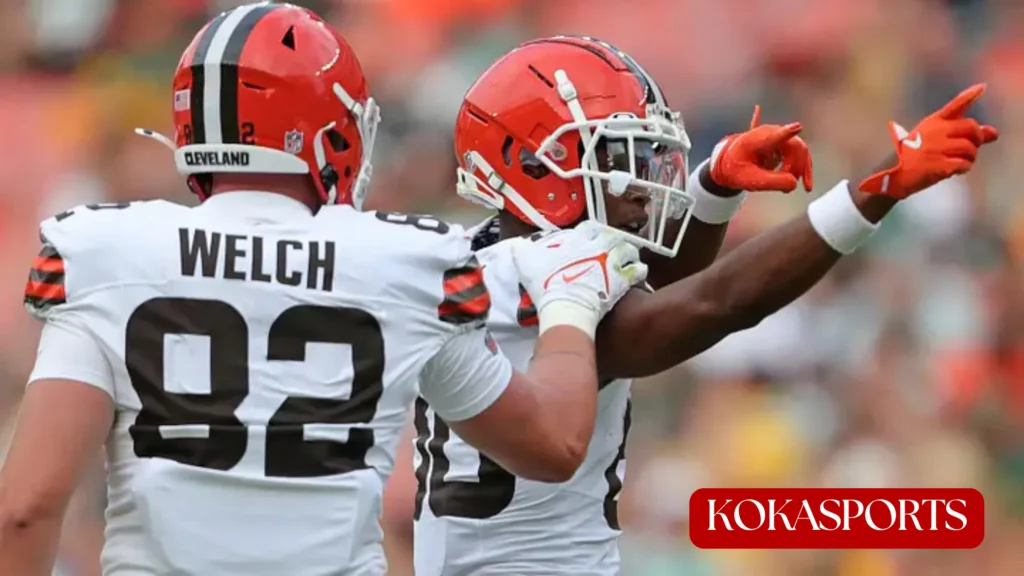
OTA stands for Organized Team Activities. They are the on-field portion of the NFL’s voluntary offseason program, a set of practices designed to get players back into football shape and ready for the season ahead. Teams use them to install playbooks, run drills, and work together as a unit, all without the full-contact intensity of training camp.
The purpose is simple. After months away from team facilities, players need to relearn schemes, build timing, and shake off rust before the real grind begins. Teams hold OTAs every year because that head start, gained in a controlled and safe setting, pays off once camp and the season arrive. A team that uses its spring well almost always looks sharper and more organized in the fall than one that does not.
What Are OTAs in the NFL?
When Do NFL OTAs Take Place?
OTAs fall in the back half of the NFL offseason program, which typically runs from mid-April through mid-June. The actual OTA practices usually take place from late May into June. They are organized under the league’s voluntary offseason program rules, with each team allowed up to 10 OTA days spread across several weeks.
Are OTAs Mandatory?
This is the part that confuses fans most. OTAs are voluntary, meaning players cannot be fined for skipping them. Most veterans still show up to maintain their standing and stay sharp, but some choose to train on their own or sit out, often during contract disputes. The one exception is the mandatory minicamp that follows, which players must attend or face fines.
Who Participates?
OTAs bring the whole organization together. Veterans and rookies practice side by side, while the head coach, coordinators, and position coaches run the sessions and the strength and conditioning staff handle the physical side. For rookies and new additions especially, it is their first real taste of how the team operates, from the daily schedule to the coaching staff’s expectations and the standards of the locker room.
What Happens During Football OTAs?
Classroom Meetings
A huge part of OTAs happens off the field. Teams hold classroom meetings to install the playbook, study film, and walk through strategy. New players in particular spend hours learning the system before they ever line up for a drill.
Position Drills
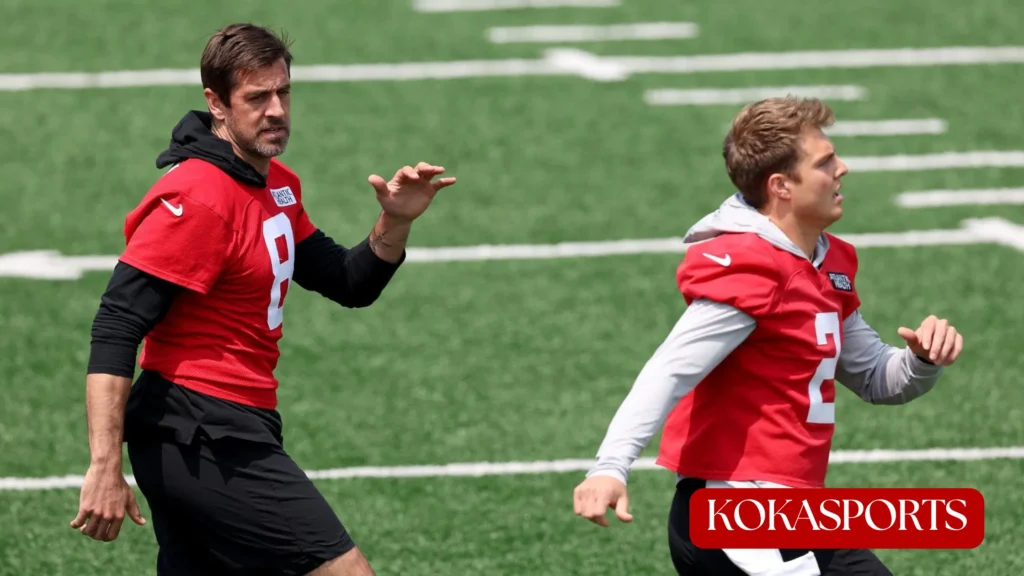
On the field, players break into position groups. Quarterbacks work on timing and footwork, running backs and receivers sharpen their routes and ball skills, the offensive line refines technique, and the defense drills its assignments. These individual reps build the fundamentals each unit depends on.
Team Drills
Teams then come together for coordinated work. This includes 7-on-7 passing drills, larger 11-on-11 walkthroughs, and communication exercises where the offense and defense practice operating as full units. It is the closest OTAs get to real football.
Conditioning Work
Conditioning runs throughout the program. Players focus on speed training, agility drills, and maintaining the strength they built earlier in the offseason. The goal is to arrive at training camp already in football shape rather than playing catch-up, because a player who shows up out of shape can quickly fall behind in the competition for a roster spot.
What Players Cannot Do During OTAs
The biggest rule of OTAs is no live contact. There is no tackling, no full-contact practice, and no padded hitting of any kind. Players generally wear helmets but not full pads, and the drills are run at a controlled pace. These restrictions exist to prevent injuries during the offseason, since there is no reason to risk a player’s health months before games that count. The league’s offseason regulations are strict about keeping these practices safe.
Why OTAs Are Important
Learning the Playbook
OTAs are when teams install their playbook for the year. Players spend this time absorbing the schemes and assignments they will run all season, so the offense and defense can operate smoothly once camp opens.
Building Chemistry
Timing and trust are built through repetition. Quarterbacks and receivers develop their connection, and units learn to communicate, all of which is hard to replicate once the offseason ends.
Evaluating New Players
OTAs give coaches an early look at rookies and free-agent additions. They get to see how new players handle the system and where they might fit before the higher stakes of training camp.
Installing Schemes
For teams with a new coach or coordinator, OTAs are critical. They are the first chance to teach an entirely new offense or defense, giving everyone weeks to absorb it before camp.
Preparing for Training Camp
Above all, OTAs are a runway to training camp. Players who arrive already knowing the playbook and in good shape are far ahead of where they would be otherwise.
Why Coaches Value OTAs
Coaches treat OTAs as a vital evaluation and teaching window. They get to assess players in their system, develop leaders, and implement their schemes step by step. The practices also build team communication and let coaches make early corrections, fixing small problems in May rather than discovering them in August. For a staff, that head start is invaluable.
Why Players Attend Voluntary OTAs
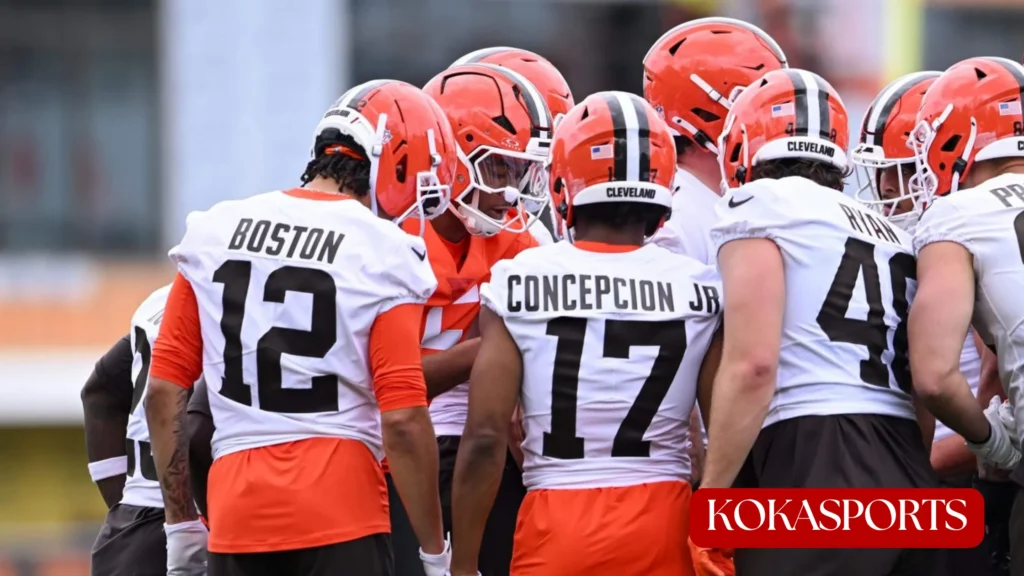
Even though OTAs are optional, most players show up, and for good reason. Attending improves their chances of making the roster, helps them learn new systems, and builds chemistry with teammates. It is also a chance to impress the coaching staff and compete for a starting job. For younger and newer players, OTAs can be the difference between earning a real opportunity and falling behind.
OTA vs Minicamp: What’s the Difference?
| Feature | OTAs | Minicamp |
|---|---|---|
| Attendance | Mostly voluntary | Mandatory |
| Contact | Limited | Limited |
| Length | Several weeks | Few days |
| Timing | Spring | After OTAs |
| Purpose | Installation | Final offseason evaluation |
The key difference is obligation. OTAs are voluntary and stretch over several weeks of installation work, while the mandatory minicamp is a short, required event that caps the offseason program and gives coaches a final evaluation before the summer break.
OTA vs Training Camp
OTAs and training camp serve very different roles. OTAs happen in the spring, without pads, with no contact and a relatively low intensity, and attendance is voluntary. Training camp arrives in late July, with full pads, real contact, and a much higher intensity, and it is mandatory for everyone. Camp is also where the true roster battles play out, since that is when jobs are won and lost. In short, OTAs are about learning and preparing, while training camp is about competing. One lays the foundation, and the other decides who actually makes the team.
What Coaches Evaluate During OTAs
Coaches watch every position group closely. They study how quarterbacks read defenses and deliver the ball, how receivers run routes and create separation, and how running backs handle their assignments. They evaluate the offensive line’s technique, the defense’s communication and coverage, and even the special teams units. None of it is about hitting, but a lot can be learned about a player’s grasp of the system and his athleticism.
Which Players Benefit Most from OTAs?
Some players gain more from OTAs than others. Rookies use them to adjust to the speed and complexity of pro football, while free-agent signings learn a new system and new teammates. Players returning from injury get controlled reps to rebuild confidence, and backup quarterbacks soak up valuable practice time. Undrafted free agents and young players benefit most of all, since OTAs are often their best chance to get noticed and prove they belong.
Common OTA Storylines Every NFL Offseason
OTAs reliably generate the same kinds of headlines each year. There are holdouts and contract negotiations, with star players skipping voluntary work to push for new deals. There are rookie development updates, position battles taking shape, and storylines around coaching changes and new offensive systems. Injury updates are a constant theme as well. These narratives dominate the football conversation during an otherwise quiet stretch of the calendar.
How OTAs Differ in College Football
The term OTA is specific to the NFL. College football does not use the same structure, since the NCAA has its own offseason rules. Colleges instead hold spring practice, a set of structured sessions that often culminate in a spring game, along with summer workouts that follow strict limits on coaching involvement and practice time. The general idea of offseason development is similar, but the rules, schedules, and restrictions in college differ from the NFL’s voluntary program.
Common Misconceptions About OTAs
OTAs Are Mandatory
They are not. OTAs are voluntary, and players can skip them without being fined, unlike the mandatory minicamp.
Teams Play Full Games
OTAs are practices, not games. There are no scores and no real competitions, just drills and walkthroughs.
Tackling Is Allowed
There is no tackling or live contact in OTAs. The whole point is to work without the injury risk of full contact.
Veterans Always Skip OTAs
While some veterans sit out, most attend at least part of OTAs to stay sharp and keep their standing with the staff.
OTAs Determine Final Rosters
OTAs influence opportunities, but final rosters are settled in training camp and the preseason, not in the spring.
Advantages and Disadvantages of OTAs
OTAs offer clear benefits. They build team chemistry, install the playbook, let coaches evaluate players, and develop rookies, all while preventing injuries through controlled, non-contact practice. That combination makes them a valuable foundation for the season.
There are drawbacks too. Injury risk never fully disappears, even without pads, and the limited contact means OTAs are not a true measure of game readiness. Because attendance is voluntary, missing players can disrupt continuity. Still, for most teams the advantages clearly outweigh the downsides.
FAQs
What does OTA stand for in football?
OTA stands for Organized Team Activities, the voluntary offseason practices NFL teams hold to prepare for the season.
Are NFL OTAs mandatory?
No. OTAs are voluntary, and players cannot be fined for skipping them, though the minicamp that follows is mandatory.
Do players wear pads during OTAs?
No. Players generally wear helmets but not full pads, since OTAs are non-contact practices.
Can players tackle during OTAs?
No. Live tackling and full contact are not allowed during OTAs to protect players from offseason injuries.
How long do OTAs last?
Teams can hold up to 10 OTA days spread across several weeks, typically from late May into June.
What is the difference between OTAs and minicamp?
OTAs are voluntary and span several weeks, while minicamp is a short, mandatory event that follows OTAs and closes out the offseason program.
Are OTAs open to fans?
Generally no. OTAs are usually closed practices, though teams share clips and updates through their own channels.
Do all NFL teams hold OTAs?
Yes. All 32 teams hold OTAs as part of the league’s offseason program, though they choose how many of their allotted days to use.
Conclusion
So the OTA meaning in football comes down to this. OTA stands for Organized Team Activities, the voluntary, non-contact offseason practices where NFL teams meet, drill, and prepare for the season ahead.
They may not look like real football, but OTAs play a big role in player development. They are where playbooks get installed, chemistry gets built, and rookies and new signings find their footing, all in a controlled setting that protects players from injury.
Most importantly, OTAs set the stage for training camp, sending players in already knowing the system and in football shape. So the next time you see those spring clips of players in shorts and helmets, you will know exactly what is happening and why it matters.