
If you are asking what does a safety do in football, here is the short version. A safety is the deepest defender on the field, the last line of defense, and his main job is to stop big plays by defending deep passes, supporting the run, and covering receivers. There are two types, the free safety and the strong safety, and together they are often called the quarterbacks of the defense because they read the play and direct everyone else.
The safety was the position that confused me most when I first started watching football closely. I kept noticing one defender who seemed to be in a completely different spot every snap. One play he was twenty yards deep, the next he was blitzing off the edge, and the play after that he was making a tackle on a running back near the line.
I could not figure out what his actual job was, because it looked like five jobs in one. That curiosity is what pulled me into really studying the position, and it turned out the safety might be the most demanding role on defense. This guide breaks down everything a safety does, the difference between free and strong safeties, the skills it takes, and how the job changes from coverage to coverage.
What Is a Safety in Football?
In football, the safety is a defensive back who lines up in the deepest part of the secondary, behind the cornerbacks and linebackers. Because he plays so far back, he is the last line of defense, the player who has to stop a long run or a deep pass from becoming a touchdown. If everyone else gets beaten, the safety is the final barrier. That single responsibility shapes everything about how he plays, since one missed assignment can cost six points in an instant.
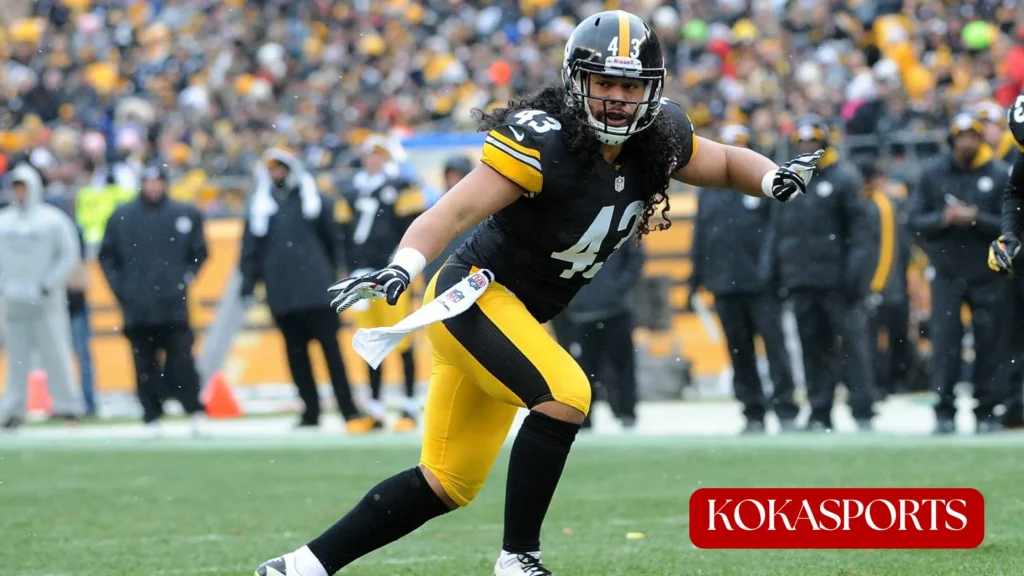
The position sits at the back of the defensive backfield and works closely with the cornerbacks in front of him. Most defenses use two safeties, a free safety and a strong safety, and the way they line up and split duties shapes the entire back end of the defense.
What Does a Safety Do in Football?
This is where the position gets complex, because a safety does so many different things on any given play.
First, a safety reads the offense before the snap. He studies the quarterback’s tendencies, the offensive formation, the alignment of the receivers, and any motion, all to predict what is coming. A good safety has a strong guess about the play before the ball is ever snapped, and that head start is often the difference between making a play and giving one up. The very best at the position seem to know what the offense will do before the offense does.
Second, a safety defends the pass. He covers deep zones, helps the cornerbacks over the top, breaks up throws, and above all prevents the explosive plays that flip games. Taking away the deep ball is the heart of the job.
Third, a safety stops the run. He fills running lanes, makes tackles in the open field when he is the last man, and on the strong side often sets the edge to keep runners from bouncing outside. When a back breaks into the second level, the safety has to bring him down alone in the open field, with no help behind him and the end zone at his back.
Fourth, a safety covers receivers and tight ends, in both man and zone. This often means matching up against big, athletic tight ends in the middle of the field, which is one of the toughest assignments in the sport, since those players combine size with surprising quickness.
Fifth, a safety can blitz the quarterback. Defenses sometimes send a safety on a rush, often disguised, using his timing to get pressure from an unexpected spot.
Finally, a safety communicates. He calls out coverages, adjusts the defense to the offense’s formation, and directs his teammates, which is exactly why he is called the quarterback of the defense.
The Two Types of Safeties
What Is a Free Safety?
The free safety is the deep patroller. His primary job is covering the deepest part of the field, reading the quarterback, and preventing touchdowns over the top. He roams the back end and reacts to wherever the ball is going.
To do that well, a free safety needs speed to cover ground, range to affect a wide area, the intelligence to read plays quickly, and the ball skills to turn reads into interceptions. He usually lines up deepest of all.
What Is a Strong Safety?
The strong safety plays closer to the line and leans into the physical side of the game. His responsibilities center on run defense, covering tight ends, blitzing, and handling short to intermediate coverage. He is part defensive back, part linebacker.
That role demands physicality, reliable tackling, versatility, and a high football IQ. He typically lines up nearer the line of scrimmage, often on the strong side of the formation where the tight end is.
Free Safety vs Strong Safety
| Feature | Free Safety | Strong Safety |
|---|---|---|
| Position on field | Deep middle | Closer to the line |
| Main responsibility | Deep pass defense | Run support |
| Coverage role | Deep zones | Short to intermediate, tight ends |
| Run support | Secondary | Primary |
| Blitz frequency | Lower | Higher |
| Tackling | Important | Critical |
| Speed required | Very high | High |
| Physicality | Moderate | Very high |
| Common matchup | Deep receivers | Tight ends and backs |
In modern football, though, this clean split is fading. As detailed in this breakdown of free safety vs strong safety, many defenses now ask both safeties to do a little of everything, which is why versatility has become the most valued trait at the position.
Where Does a Safety Line Up?
A safety’s pre-snap alignment tells you a lot about the defense’s plan. In a single-high look, one safety sits deep in the middle while the other drops down near the box. In a two-high look, both safeties stay deep, splitting the field into halves. A box safety lines up close to the line like an extra linebacker, ready for the run or a blitz.
What makes it tricky for offenses is that safeties often rotate after the snap. A defense can show two deep safeties, then spin into a single-high coverage the instant the ball is snapped, disguising its true intentions and confusing the quarterback.
What Skills Make a Great Football Safety?
Great safeties blend physical and mental tools. Speed and agility let them cover huge amounts of ground and change direction with receivers. Tackling ability and physical toughness are essential, since they are often the last defender standing between a ball carrier and the end zone.
Just as important is the mental side. Football IQ lets a safety diagnose plays in a split second, ball skills turn good reads into turnovers, and communication and leadership let him organize the entire defense. The best safeties are coaches on the field, processing information and giving orders while also being elite athletes in their own right.
Responsibilities in Different Defensive Coverages
A safety’s job shifts depending on the coverage. In Cover 1, a single free safety stays deep in the middle while everyone else plays man. In Cover 2, two safeties each take a deep half of the field. In Cover 3, one safety patrols the deep middle while the rest of the secondary handles the other deep thirds.
In Cover 4, or quarters, the safeties split the deep area into fourths and read their keys before committing. In Cover 6, a hybrid coverage, the field is split so one side plays quarters and the other plays a two-deep shell, giving each safety a different responsibility on the same snap. Knowing all of these is part of why the position is so mentally demanding.
How a Safety Defends Different Offensive Plays
Against straight passing plays, the safety drops to his zone or man assignment and works to keep everything in front of him. Against the run, he fills his gap and comes downhill to tackle. Against play-action, he has to stay disciplined and not bite, since the fake is designed to suck him toward the line and open the deep field behind him.
Screens and RPOs test his eyes and decision-making, forcing him to diagnose the play quickly and react the right way. And against deep throws, his core duty kicks in, getting to the deep ball and erasing the touchdown. Every play type asks something slightly different of him.
Common Mistakes Safeties Must Avoid
The most damaging safety mistakes are usually mental. Taking a bad angle to the ball can turn a routine tackle into a long touchdown, and missing a tackle in space is just as costly when you are the last defender. Biting on play-action, misreading the quarterback, or overcommitting to the run all leave the deep field exposed. Add in losing leverage or a communication breakdown, and a single error can decide a game.
Famous NFL Safeties Who Changed the Position
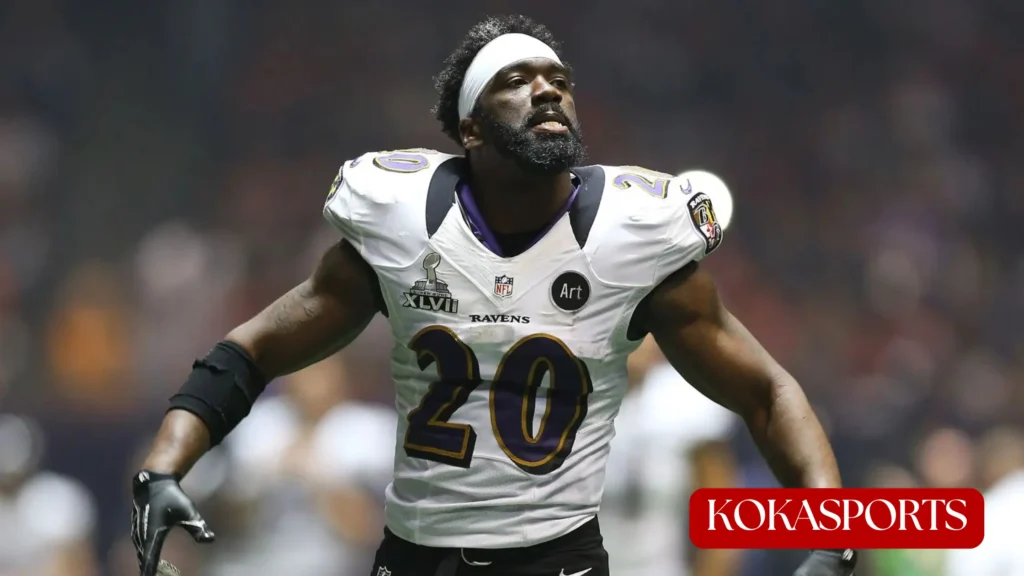
A handful of safeties redefined what the position could be. Ed Reed of the Ravens read quarterbacks like no one else and turned interceptions into highlight returns. Troy Polamalu of the Steelers played with wild, instinctive genius and a knack for timing blitzes. Brian Dawkins brought ferocious energy and leadership to Philadelphia, and Sean Taylor combined rare size and speed into a force whose career was tragically cut short.
The modern era kept the standard high. Earl Thomas anchored Seattle’s legendary defense with elite range, while Kam Chancellor delivered punishing hits as its enforcer. Minkah Fitzpatrick built a three-time All-Pro reputation as a versatile playmaker who can line up anywhere, and Kyle Hamilton of the Ravens has become the blueprint for the new hybrid safety who does everything. Young players can learn something different from each of them.
How to Play Safety in Football
If you want to play safety, start with the mental foundation by learning offensive formations and studying film, since recognizing plays early is half the job. Watch the quarterback’s eyes, communicate on every snap, and master your reads.
On the physical side, drill your tackling technique, practice your backpedal so you can flip and run smoothly, and develop your ball-tracking skills to attack the deep ball. Staying in top condition matters too, because a safety covers more ground than almost anyone on defense. Beginners should focus first on clean tackling and disciplined eyes before worrying about the flashy plays.
How Coaches Evaluate a Safety
Coaches judge safeties on a wide mix of traits. They want football IQ, consistent tackling, and strong coverage ability, along with the speed and versatility to handle multiple roles. Beyond the physical, they value leadership and reliability, since the safety organizes the defense, and they prize turnover production, because takeaways are the position’s biggest game-changers.
FAQs
What does a safety do in football?
A safety is the deepest defender who protects against big plays by defending deep passes, supporting the run, covering receivers and tight ends, and directing the defense.
Is a safety part of the defense?
Yes. The safety is a defensive back who plays in the secondary, the back end of the defense.
What’s the difference between a safety and a cornerback?
Cornerbacks line up on the outside and usually cover wide receivers, while safeties play deeper and act as the last line of defense across the whole field.
Does a safety cover wide receivers?
Yes, at times. Safeties cover receivers and tight ends in man and zone, and they often help cornerbacks against deep threats.
Which safety is more important?
Both matter, but their value depends on the scheme. The free safety protects deep, while the strong safety anchors the run, and modern defenses lean on both heavily.
Can a safety blitz?
Yes. Safeties blitz the quarterback regularly, often on disguised rushes that attack from an unexpected angle.
Conclusion
So, what does a safety do in football? He is the defense’s last line of defense and its on-field quarterback, reading the offense, taking away the deep ball, supporting the run, covering tight ends, and directing his teammates all at once.
The free safety patrols deep and prevents big plays, while the strong safety lives closer to the line and brings the physicality, but modern football increasingly asks both to do everything. That versatility is exactly why the position is so valuable today.
That mix of brains, speed, and toughness is what makes safety one of the most demanding and impactful jobs in the game. The next time you watch a defender lining up deep and calling out the coverage, you will know he is doing far more than just waiting for the ball.