

Staying active consistently is often harder than starting a workout routine in the first place. Many people begin exercising with strong motivation, only to find themselves dealing with ongoing soreness, fatigue, stiffness, or burnout after several weeks of intense activity. While occasional soreness is normal, constant discomfort usually signals that recovery habits are not fully supporting the body between workouts.
Modern fitness culture is gradually shifting away from the idea that more intensity always leads to better results. Athletes, gym-goers, runners, and recreationally active people increasingly recognize that long-term consistency depends heavily on recovery quality. The body generally performs better when workouts are balanced with habits that support mobility, sleep, stress management, and physical restoration.
This change has led more active individuals to focus on recovery as an essential part of staying healthy and physically capable long term rather than viewing recovery as downtime separate from fitness itself.
Sleep Quality Often Determines Recovery Speed
One of the most important recovery habits remains sleep consistency. During sleep, the body performs many of the repair processes connected to muscle recovery, energy regulation, and physical restoration after exercise.
Poor sleep frequently increases soreness, slows recovery, and makes future workouts feel harder than they should. Many active people underestimate how strongly inconsistent sleep affects mobility, motivation, and long-term performance.
This is why many recovery-focused routines now prioritize calmer nighttime habits and more stable sleep schedules instead of focusing entirely on workout intensity or volume alone.
Hydration Helps Reduce Ongoing Fatigue
Hydration plays a major role in recovery quality, yet many active individuals still overlook how strongly dehydration contributes to soreness and physical exhaustion. Water supports circulation, temperature regulation, joint function, and muscle recovery following physical activity.
People who stay consistently hydrated often notice improved energy levels and reduced stiffness between workouts. This becomes especially important during warmer seasons or intense training periods where the body loses more fluids throughout the day.
Recovery generally becomes much harder when hydration habits remain inconsistent, even if workouts themselves are well-structured.
Mobility Work Is Becoming More Important
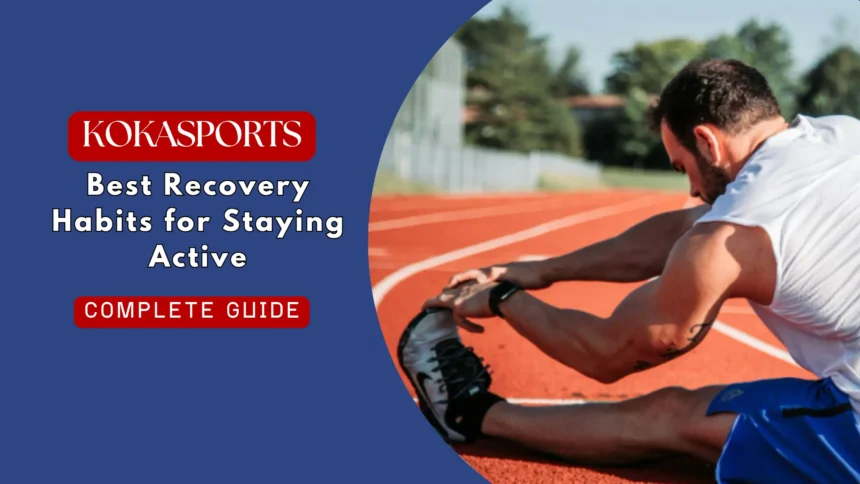
Another major shift within fitness culture is the growing focus on mobility and flexibility routines. Many active people now understand that movement quality matters just as much as strength or endurance when it comes to preventing chronic soreness.
Stretching, mobility exercises, foam rolling, and lighter recovery-focused movement often help reduce tension that builds up after repetitive workouts. These routines also improve how the body handles future activity over time.
Even short mobility sessions performed consistently frequently create stronger long-term benefits than occasional extreme recovery efforts.
Stress and Physical Recovery Are Closely Connected
Many people separate emotional stress from physical soreness, but the two are heavily connected. High stress levels often increase muscle tension, interfere with sleep quality, and slow overall recovery between workouts.
Because of this, many active individuals now include relaxation-focused habits as part of broader recovery systems. Calmer evenings, lower stimulation before bed, and recovery-oriented routines often support physical restoration more effectively than intense training alone.
Some consumers also incorporate products such as cbd drops into broader wellness routines centered around relaxation, recovery, and creating calmer transitions after physically demanding days.
Recovery Support Is Becoming More Preventative

Many people wait until pain or severe soreness develops before addressing recovery seriously. However, modern recovery approaches increasingly focus on prevention rather than reacting only after discomfort becomes overwhelming.
Smaller habits such as proper warmups, movement variety, hydration, mobility work, and recovery days often help prevent chronic soreness from developing consistently in the first place.
This preventative mindset tends to support more sustainable long-term activity because people avoid the cycles of overtraining and forced recovery that often interrupt fitness consistency.
Body Alignment Affects Long-Term Comfort
Movement patterns and posture also strongly influence how the body feels between workouts. Misalignment, repetitive strain, or uneven movement mechanics can contribute to ongoing soreness even when workout programs themselves appear reasonable.
Because of this, many active people pay closer attention to movement quality and physical alignment as part of overall recovery habits. Services connected to chiropractors in Northern Virginia reflect broader interest in mobility-focused wellness approaches designed to support movement comfort, posture, and physical balance for active lifestyles.
The goal for many individuals is not only reducing soreness temporarily but improving how the body handles repeated physical activity over time.
Active Recovery Is Replacing Complete Inactivity
Another noticeable trend is that many people now prefer active recovery instead of remaining completely inactive between workouts. Light walking, stretching, swimming, cycling, or low-intensity movement often helps the body feel less stiff than total inactivity after intense exercise.
This approach generally supports circulation and mobility while reducing the heavy sluggishness that sometimes follows demanding workouts. Active recovery also helps people maintain routine consistency without adding additional physical strain.
The emphasis is increasingly on helping the body recover steadily instead of swinging between extreme effort and total inactivity.
Sustainable Fitness Depends on Recovery Habits
The people who stay active consistently for years are often not the ones training hardest every day. More commonly, they are individuals who understand how to balance effort with proper recovery routines over time.
Sleep, hydration, stress management, mobility work, alignment support, and calmer recovery habits all help reduce the constant soreness that causes many people to lose motivation or stop training altogether.
According to the National Academy of Sports Medicine, recovery strategies involving rest, hydration, mobility, and stress management all play major roles in long-term performance and injury prevention. Sustainable activity levels usually depend on recovery quality just as much as workout intensity.
Long-Term Progress Usually Comes From Better Balance
Many people eventually discover that fitness becomes far more sustainable once recovery stops feeling optional. Smaller daily recovery habits often create stronger long-term benefits than constantly pushing the body without allowing proper restoration between workouts.
Consistent sleep, movement variety, stress reduction, hydration, and recovery-focused routines all contribute to helping active individuals feel physically capable without remaining constantly sore or exhausted.
As fitness culture continues evolving, recovery is increasingly viewed not as a break from progress, but as one of the main reasons long-term progress becomes possible in the first place.
FAQs
How can I reduce muscle soreness after workouts?
You can reduce soreness by staying hydrated, getting enough sleep, stretching regularly, and including active recovery days like walking or light cycling between intense workouts.
Is it okay to exercise when sore?
Mild soreness is usually normal, and light activity may even help improve circulation and recovery. However, sharp pain or severe soreness may signal that the body needs additional rest.
Why is sleep important for workout recovery?
Sleep helps the body repair muscles, restore energy levels, and regulate recovery hormones. Poor sleep often slows recovery and increases fatigue during future workouts.
Conclusion
Staying active long term is not only about training harder or pushing through discomfort. Recovery habits play a major role in helping the body stay strong, mobile, and consistent without constant soreness or exhaustion. Small daily habits such as quality sleep, proper hydration, mobility work, stress management, and active recovery often create bigger long-term benefits than extreme workout intensity alone.
As more people focus on sustainable fitness instead of short-term results, recovery is becoming a core part of healthy performance rather than something optional. When the body receives enough support between workouts, it becomes easier to maintain energy, reduce injury risk, and stay motivated over time. Long-term fitness success usually comes from balance, not burnout.