


What is a pick 6 in football? A pick 6 is an interception that a defensive player returns for a touchdown. The “pick” is the interception and the “6” is the six points a touchdown is worth. It’s one of the biggest momentum swings in football, because the defense takes the ball away and scores on the same play.
What Does Pick 6 Mean in Football?
A pick 6 is one of the most exciting plays in football. It happens when a defensive player intercepts a pass from the opposing team’s quarterback and runs it all the way back for a touchdown. The word “pick” is a slang term for an interception it is what happens when a defensive player catches a ball that was meant for an offensive player on the other team. The “6” refers to the six points awarded for scoring a touchdown.

So when you put both words together, a pick 6 simply means: an interception returned for a touchdown.
Here is a simple way to think about it:
- The quarterback throws a pass intended for his own receiver
- A defensive player reads the play, steps in front of the receiver, and catches the ball
- That player then carries the ball back for a touchdown, scoring for his team
It sounds simple, but the speed, instincts, and awareness required to pull this off make it one of the rarest and most rewarding plays a defender can make.
Where Does the Term “Pick 6” Come From?
The slang term for an interception being called a “pick” has been part of football culture for decades. The idea is that the defender is picking the ball out of the air literally taking it away from the offense mid-flight.
The term “pick-six” as a combined phrase became widely popular in NFL broadcasts during the 1990s and 2000s, as television coverage and commentary became more colorful and casual. Analysts and fans alike started using it because it perfectly captured two things in two short words: the turnover and the score.
Today, the term “pick 6” is used at every level of football from youth leagues to the NFL.
How a Pick 6 Actually Happens: Step by Step
To truly appreciate a pick 6, it helps to break down how the play unfolds. Every interception return for a touchdown follows a similar path, even if the specifics change from game to game.
Step 1 The quarterback drops back The opposing team’s quarterback takes the snap and looks downfield for an open receiver.
Step 2 The defensive player reads the play An experienced defender watches the quarterback’s eyes, the receiver’s route, and the ball. Great defensive players can sense where the pass is going before it is even thrown.
Step 3 The defender intercepts the pass The defensive player steps in front of the intended receiver, catches the ball cleanly, and secures possession.
Step 4 The return begins Instead of just falling down or stepping out of bounds, the defender turns and runs toward the opposing end zone for a touchdown.
Step 5 Touchdown If the defender makes it all the way, the defensive team scores six points and that is your pick 6.
How Many Points Is a Pick 6 Worth?
A pick 6 is worth six points the same as any other touchdown in football. After the touchdown, the scoring team also gets the chance to kick an extra point or attempt a two-point conversion, just like after any offensive touchdown.
Here is a quick scoring breakdown:
| Play | Points Scored |
|---|---|
| Pick 6 (Touchdown) | 6 points |
| Extra Point Kick | +1 point |
| Two-Point Conversion | +2 points |
| Total Possible | 8 points |
But here is what makes the pick 6 even more powerful than just the six points on the board it also takes the ball away from the other team. So instead of the offense scoring, the defense scores. That is a massive swing in any game.
Pick 6 vs Interception
| Interception | Pick 6 | |
|---|---|---|
| Defense gets the ball | Yes | Yes |
| Defense scores | No | Yes, 6 points |
| Where the play ends | Anywhere | In the end zone |
Why a Pick 6 Is More Than Just 6 Points
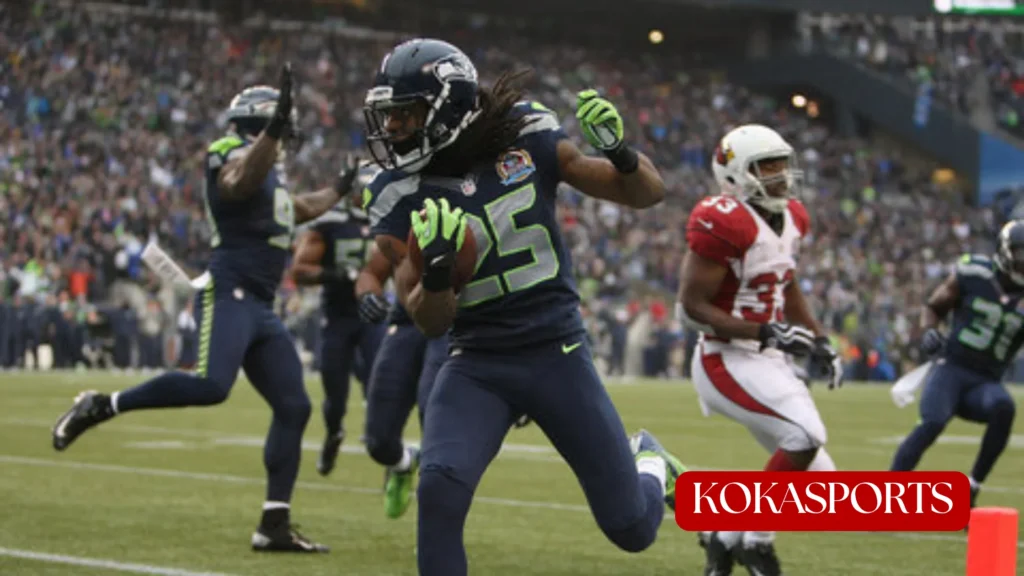
Many football analysts argue that a pick 6 is actually the equivalent of a 14-point swing in a game. Here is why:
- If the offense had scored a touchdown instead, they would have earned roughly 7 points (with the extra point)
- Instead, the defense scored 7 points (with the extra point)
- The difference between those two outcomes is 14 points
“A pick six doesn’t just stop a drive it reverses the entire momentum of a game in a single play.” A common sentiment among NFL coaches and analysts
This is why coaches and quarterbacks fear the pick 6 so much. One bad throw can turn a game completely upside down.
Which Defensive Players Score the Most Pick 6s?
Not every defensive player has the same chance of scoring on an interception return. Here is a breakdown by position:
| Position | Likelihood of a Pick 6 | Reason |
|---|---|---|
| Cornerback | Very High | Lines up against wide receivers, most interceptions |
| Free Safety | High | Covers deep zones, reads plays well |
| Strong Safety | Medium | Mix of run and pass responsibilities |
| Linebacker | Medium | Can intercept short and intermediate routes |
| Defensive Lineman | Low | Rarely drops back in coverage |
Cornerbacks are by far the most common players to score a pick 6. They spend every single play defending against pass routes, which means they have the best positioning and opportunity to intercept the ball.
Famous Pick 6 Moments in NFL History
Some of the greatest moments in NFL history have been built around the pick 6. Here are a few standout examples:
- James Harrison, Super Bowl XLIII: Harrison returned an interception 100 yards for a touchdown on the last play of the first half, the longest interception return in Super Bowl history.
- Deion Sanders One of the most feared ball-hawking corners in NFL history, known for his ability to jump routes and take the ball back for a score
- Ed Reed: The Baltimore Ravens safety holds the NFL record for the longest interception return touchdown: 107 yards, against the Philadelphia Eagles in 2008. He also returned 7 career interceptions for touchdowns.
All-Time NFL Pick 6 Leaders (Career)
| Player | Position | Interceptions Returned for TDs |
|---|---|---|
| Rod Woodson | CB/S | 12 |
| Charles Woodson | CB/S | 11 |
| Darren Sharper | S | 11 |
| Deion Sanders | CB | 9 |
| Ken Houston | S | 9 |
Source: Pro Football Reference, career interception return TD leaders
Pick 6 in Fantasy Football
If you play fantasy football, the pick 6 hits your lineup in two very specific ways:
- Your quarterback loses points Most fantasy leagues deduct points for every interception a quarterback throws. A pick 6 means your QB not only threw a pick but also gave up a defensive touchdown.
- The defense gains points If you have the opposing defense on your roster, a pick 6 earns your defensive team big points usually 6 points in most standard leagues.
This double-impact makes the pick 6 one of the most consequential single plays in fantasy football, capable of flipping a matchup entirely.
How Quarterbacks Avoid Throwing a Pick 6
Smart quarterbacks spend hours studying film and practicing decision-making to avoid giving up this play. Here are the most common methods:
- Throwing the ball away If no receiver is open and the defense has the pass covered, the quarterback simply throws the ball out of bounds to avoid the risk
- Checking down Instead of forcing a risky throw downfield, the quarterback throws a safe, short pass to a nearby offensive player
- Reading coverage pre-snap Before the ball is even snapped, an experienced quarterback looks at how the defense is lined up to identify which routes are safe
- Protecting the ball in the pocket Avoiding pressure and keeping composure prevents the panic throws that often lead to a pick
The fumble and the pick 6 are considered the two most damaging turnovers in football, and quarterbacks are coached relentlessly to eliminate both.
How Defenses Are Built to Create Pick 6 Opportunities
Defensive coordinators do not just wait for mistakes they design plays specifically to bait quarterbacks into bad throws. Here is how:
- Zone coverage baiting Defenders drop into zones and make it look like a route is open, then jump the throw at the last second
- Cover 2 traps The defense shows a soft zone underneath but has a safety waiting to intercept anything thrown over the middle
- Disguising coverages Defenders shift their alignment right before the snap to confuse the quarterback’s read
- Blitz packages Pressuring the quarterback forces rushed throws, which are far more likely to be off-target and easy to intercept
Quick-Reference: Pick 6 Key Facts
- A pick 6 occurs when a defensive player intercepts a pass and runs it back for a touchdown
- The play is worth six points awarded to the defensive team
- It is one of the most exciting plays in football because it combines a turnover with a score
- The momentum shift from a pick 6 can completely change the outcome of a game
- Cornerbacks score the most pick 6s in the NFL
- Rod Woodson holds the NFL record with 12 career interceptions returned for a touchdown
- After a pick 6, the defense’s team gets the extra-point or two-point try, just like after any touchdown.
Frequently Asked Questions
Does a pick 6 count against the quarterback?
Yes. It counts as an interception in his stats and lowers his passer rating.
What is the difference between a pick and a pick 6?
A “pick” is simply an interception the defense catches the ball but does not score. A pick 6 means the interception was also returned for a touchdown.
Can a lineman score a pick 6?
Yes! It is rare, but a defensive lineman can intercept a tipped or deflected pass and run it back for a score. These moments tend to be especially memorable because of how unusual they are.
Is a pick 6 the same as a defensive touchdown?
A pick 6 is one type of defensive touchdown. Others include a fumble recovery returned for a touchdown or a blocked kick returned for a score.
Final Thoughts
The pick 6 is more than just a score it is a momentum-swinging, crowd-roaring, game-changing event that captures everything exciting about football. When a defender reads the quarterback’s eyes, jumps the route, and takes it all the way to score a touchdown, it is a reminder of just how dynamic and unpredictable the sport can be. Whether you are a lifelong fan or just getting into the game, watching for the pick 6 is one of the best reasons to keep your eyes on the defense.