


If you are a new fan of college softball or just getting into the sport, one of the first things you want to know is how the game is structured. The most common question people ask is: how many innings in college softball? The short and simple answer is seven innings. But there is so much more to know beyond just that number. From the run rule to extra innings to how the NCAA tournament works, this guide breaks it all down in plain, easy language.
How Many Innings in College Softball? The Basic Answer
A standard college softball game is played over seven innings. Each inning is split into two halves. In the first half, called the top of the inning, the visiting team gets to bat. In the second half, called the bottom half of the inning, the home team gets their turn to bat. Each half of the inning ends after the defensive team records three outs. Once both halves are done, that counts as one complete inning.
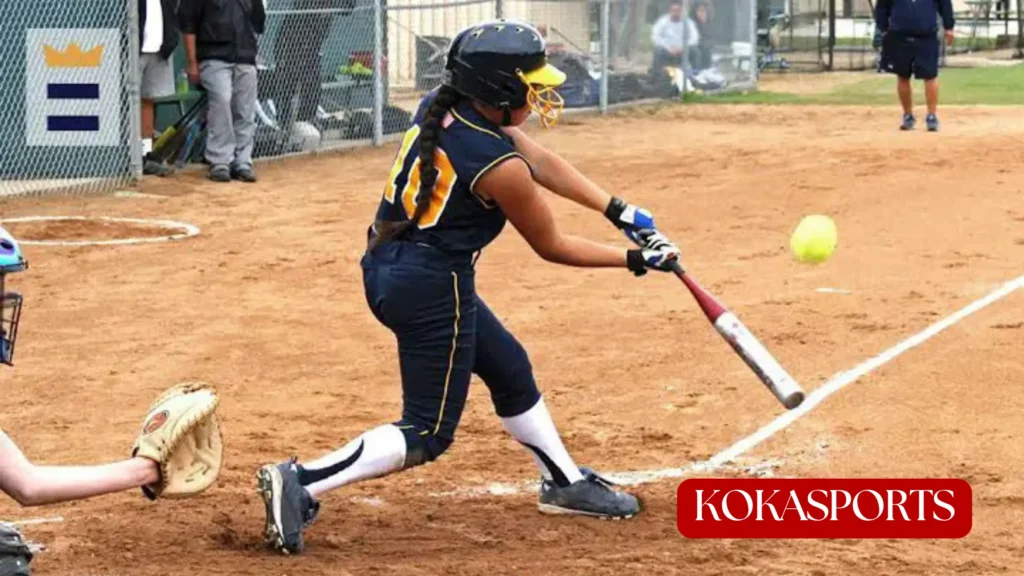
So in a full game, each team gets to bat seven times. That is the basic structure of a regulation softball game at the college level.
Here is a quick breakdown of how innings work:
| Part of Inning | Who Bats | Ends When |
|---|---|---|
| Top of Inning | Visiting team | 3 outs recorded |
| Bottom of Inning | Home team | 3 outs recorded |
| Full Inning Complete | Both teams have batted | After both halves done |
This format applies across all NCAA softball games regular season, conference play, and postseason. Whether you are watching a mid-week game between two small programs or a big matchup at the WCWS, the inning structure stays the same.
How Many Innings in Softball Compared to Baseball?
A lot of fans come to softball from baseball, and the first big difference they notice is the number of innings. In baseball, teams play nine innings. In softball, they play seven innings. That is two fewer innings, which makes a big difference in game length and strategy.
The reason for this difference goes back to the origins of softball. The sport was designed to be faster and more compact than baseball and softball share many rules, but the shorter format was always a key part of what makes softball unique. College baseball teams, for example, play nine innings just like the pros, while college softball teams play seven.
Here are some of the main differences between college softball and college baseball beyond just innings:
- Pitching style: Softball uses underhand pitching, baseball uses overhand
- Field size: Softball fields are smaller (60-foot bases vs 90-foot bases)
- Ball size: Softballs are larger than baseballs
- Game speed: Softball games are generally faster-paced
- Innings: 7 innings in softball vs. 9 innings in baseball
These differences make softball a very different experience from baseball, even though the two sports share a lot of the same DNA.
Read More: How Long Is a Softball Game? Innings, Rules & Game Duration Explained
How Long Does a College Softball Game Last?
Now that you know a standard softball game lasts seven innings, you might be wondering how long that takes in real time. Game duration in college softball is typically between 1.5 to 2.5 hours. That is shorter than most baseball games, which often run three hours or more.
Several things affect how long a softball game lasts:
- Pitching dominance: A strong pitcher who throws a lot of strikeouts can make innings go very quickly
- Offensive output: High-scoring games with lots of hits and walks take longer
- Weather delays: Rain or lightning can pause or shorten a game
- Extra innings: If the score is tied after seven, the game keeps going
The length of a game can also vary based on the level of competition. Games can go much longer in high-stakes situations like the NCAA tournament or conference championships.
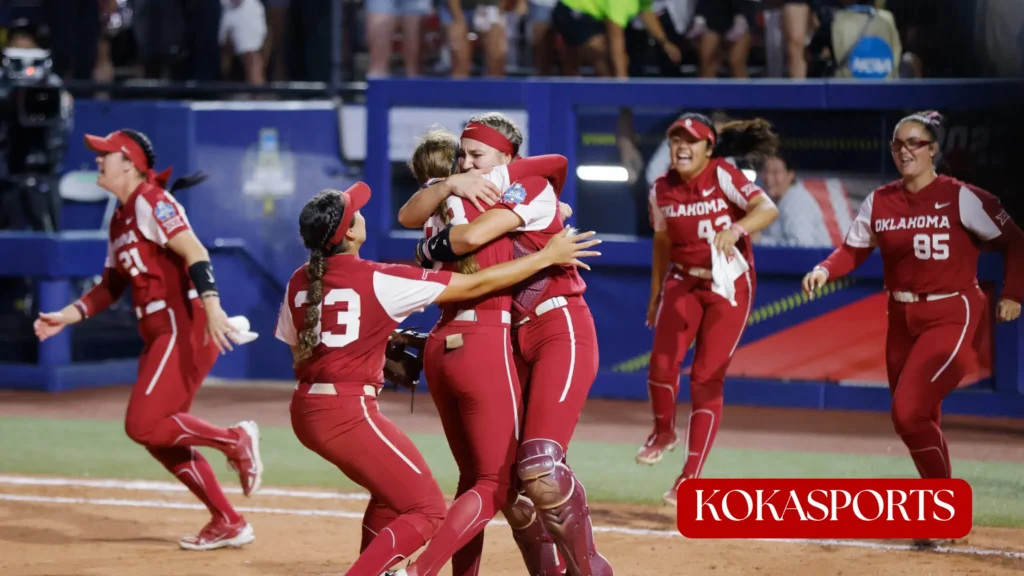
“College softball is built for action. The seven-inning format keeps the game moving and keeps fans engaged from the first pitch to the last out.”
The College Softball Run Rule : When a Game Ends Early
One of the most important things to know about the run rule in college softball is that it can end a game before all seven innings are completed. The college softball run rule (also called the mercy rule or run-ahead rule) is a rule that ends a game early when one team has built a very large lead. It is designed to keep blowout games from going on too long.
Here is exactly how the rule in college softball works according to NCAA guidelines:
| Run Difference | Inning | Game Ends? |
|---|---|---|
| 20 or more runs | After 3 innings | Yes |
| 15 or more runs | After 4 innings | Yes |
| 8 or more runs | After 5 innings | Yes |
The most common version fans see is the eight-run mercy rule, which kicks in after five innings. If one team is ahead by eight or more runs after five innings have been played, the game ends immediately. This is why you will sometimes hear announcers say a game ended in five innings the softball run rule was applied.
Here is something important: when the home team reaches the eight-run lead in the bottom of the fifth, or any other run-rule threshold, the game ends right there. The visiting team does not get another chance to bat. On the other hand, if the visiting team is ahead by eight or more runs, the home team still gets to bat in the bottom half of the inning to try and close the gap.
Key Fact: The softball mercy rule does apply in the NCAA tournament, including at the regional and super regional levels. However, at the WCWS championship series, some fans are surprised to learn it still applies.
The run rule in college softball is not seen as a bad thing. Most coaches and players see it as a respectful way to end a game that is already decided. It also protects softball pitchers from unnecessary extra work in a game that has gotten out of hand.
What Makes a Game Official? The Five-Inning Rule
Here is something many casual fans do not know: a college softball game does not need to go all seven innings to count as an official result. According to NCAA softball rules, a game is considered official once five complete innings have been played or five or more equal innings if the home team is ahead.

This matters most when games are stopped due to weather. If a game is called due to rain after five innings, the score at that point becomes the final result. If a game is stopped before 5 innings are completed, it is usually replayed from the start or rescheduled as a suspended game.
A regulation softball game requires:
- At least five complete innings to be official
- Or at least five or more equal innings if the home team is ahead at the time the game is called
- The game cannot continue if conditions make it unsafe or impossible to play
Extra Innings in College Softball
What happens when the score is tied after seven innings? The game keeps going into extra innings. College softball uses what is called the international tiebreaker rule for extra innings. This rule places a runner on second base at the start of each extra inning. That runner is the player who made the last out in the previous inning.
This rule makes extra innings very exciting and fast. With a runner already in scoring position, teams can score quickly, which means extra inning games usually do not drag on too long. Games can also end in dramatic fashion a sacrifice fly or a single to the outfield can end things in one extra inning.
Here is how the international tiebreaker extra inning works:
- The inning starts with a runner on second base
- The team at bat tries to score that runner (and more)
- The other team tries to do the same in their half
- The team that leads after both halves wins
- If still tied, repeat the process
This format keeps fans on the edge of their seats and keeps games moving at a good pace.
NCAA Tournament and WCWS Innings Rules
The NCAA softball tournament follows the same seven-inning format used during the regular season. There is no change to the number of innings in the postseason. The tournament runs in a double-elimination format at the regional level, meaning teams need to lose twice to be eliminated.
Here is how the NCAA softball regionals and postseason breaks down:
- Regionals: 4 teams, double elimination, 7-inning games
- Super Regionals: 2 teams, best of three series, 7-inning games
- WCWS (Women’s College World Series): Double elimination pool play, then a three-game championship series
- WCWS championship series: Best of three, standard seven innings per game
The 2023 WCWS was a great example of how dramatic the format can be. OU Softball (Oklahoma) dominated the tournament, winning multiple games via the run rule. The 2024 NCAA tournament also featured several run-rule endings, showing just how dominant elite programs can be.
At the tournament and Women’s College World Series level, the stakes are the highest in college softball. Every single inning matters, and the pressure on players and coaches is intense.
Conclusion
So, how many innings in college softball? Seven innings that is the standard, and it applies from the very first game of the regular season all the way through to the final game of the WCWS championship series. Within those seven innings, a lot can happen. The run rule can end things early, extra innings can extend the drama, and weather can shorten a game. But the structure is simple, and once you know it, watching a softball game becomes a whole lot more fun.
Whether you are a lifelong fan or brand new to the sport, college softball offers some of the best competition in all of sports. The seven-inning format, the fast pace, and the high drama of the NCAA softball tournament make every game worth watching.
FAQs
How many innings are in softball?
High school and college softball games are 7 innings.
Can a college softball game end before seven innings?
Yes, if the run rule is triggered or due to weather after 5 innings.
Do doubleheader games use the same innings rules?
Yes, both games are typically 7 innings, though some leagues may shorten them.
What is the difference between the run rule and the mercy rule?
They are the same, NCAA officially calls it the run-ahead rule.
Is softball ever 8 innings?
Some leagues may use 8 innings, but 7 innings is standard.
What is the difference between baseball and softball?
Differences include ball size, pitching style, and field dimensions.