

If you have ever wondered how long do high school baseball games last, you are in the right place parents, players, every coach, and fans all want to know what to expect before heading out to the field. The duration of high school baseball games is one of the most common questions in the world of high school baseball, and the answer depends on several factors like innings played, game rules, weather, and whether the game goes into extra innings. In most cases, a typical high school baseball game lasts between 1.5 to 2.5 hours, though this can vary quite a bit depending on the situation.
How Long Do High School Baseball Games Last
When it comes to the length of a high school baseball game, the most important thing to know is that high school baseball does not follow the same format as professional baseball. A standard baseball game consists of nine innings at the professional level, but high school baseball games are played over seven innings instead. This makes the duration of a high school baseball game noticeably shorter than what you would see in college baseball or Major League Baseball.
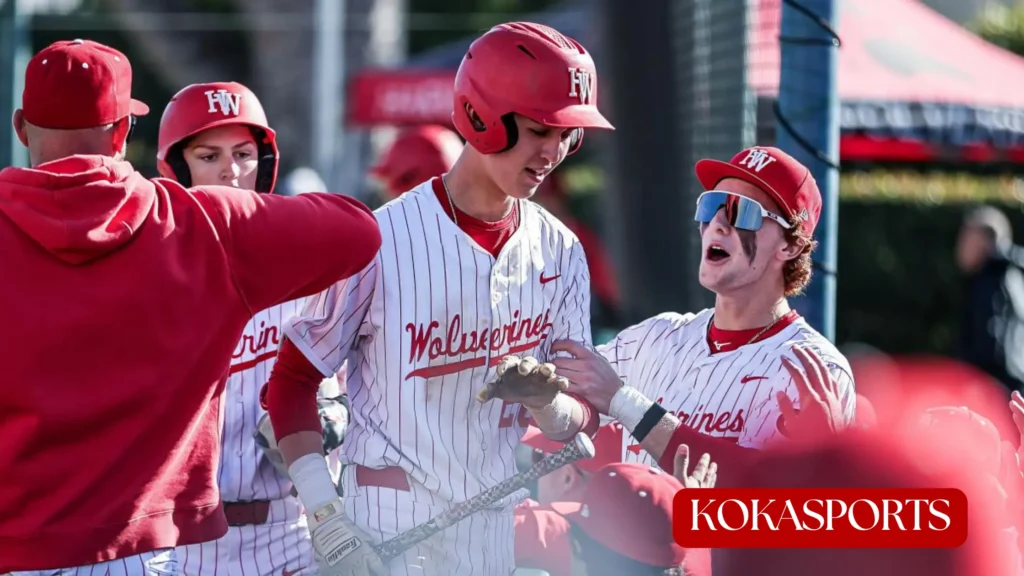
Games typically last around one hour and forty-five minutes to two hours and thirty minutes, though some games may run a little shorter or longer. The length of these games depends on how fast each inning moves, how many pitching changes are made, and how many runs are scored. A low-scoring pitcher’s duel might wrap up in under two hours, while a high-scoring game with lots of walks and pitching changes could stretch well past the two-hour mark.
Here is a simple breakdown of how high school game length compares to other levels:
| Level | Innings | Average Duration |
|---|---|---|
| High School Baseball | 7 innings | 1.5 – 2.5 hours |
| College Baseball | 9 innings | 2.5 – 3.5 hours |
| MLB / Professional Baseball | 9 innings | 2.5 – 3+ hours |
How Many Innings Are in a High School Baseball Game?
A standard high school baseball game is seven innings long. Each inning gives both teams a chance to bat and field. The visiting team bats first, and the home team bats second. If the score is tied at the end of regulation seven innings, the game moves into extra inning play to determine the winner.
It is worth noting that not all games last the full seven innings. Games might be shortened to five or six innings due to:
- Weather conditions like rain or lightning
- Darkness when fields do not have proper lighting
- The mercy rule, which ends the game early when one team is far ahead
- Time limits set by the local league or state association
According to NFHS rules, a game is considered official after four innings (or four and a half innings if the home team is ahead). If a game is stopped before four innings are completed, it may be rescheduled rather than counted as an official result.
Read More: How Long Is a Baseball Game? Complete Guide to MLB Game Times
Key Factors That Affect the Duration of High School Baseball Games
The baseball game duration at the high school level is shaped by a number of moving parts. Here is a closer look at what makes some games short and others long:
Pitching and Pitch Count Limits
One of the biggest factors is how the pitcher performs. A dominant pitcher who gets batters out quickly will speed up the game significantly. On the other hand, a struggling pitcher who walks batters or gives up many hits will extend the duration of a baseball game considerably. Most high schools follow pitch count limits to protect young arms, which means a pitcher might be pulled from the game after a set number of pitches, leading to more mound visits and bullpen changes.
Each pitch matters. When a batter works a long at-bat with multiple foul balls, it burns more time per inning. A quick three-pitch strikeout does the opposite. Multiply that across an entire game, and pitch efficiency becomes one of the biggest drivers of game length.
Scoring and Offensive Momentum
High-scoring games almost always run longer. Every time one team scores, the other team has to bat more, and more runners mean more time spent on the bases, more pitching changes, and more coach visits to the mound. Defensive errors can also extend innings well beyond what they should be.
Weather and Environmental Factors
Rain delays are one of the most unpredictable things in baseball. A game may start on time and then pause for thirty minutes or an hour due to a storm. In some cases, games remain suspended overnight and resume the next day. These situations are most common in spring, which is peak high school baseball season.
The Mercy Rule and How It Can Shorten Games
The mercy rule is one of the most talked-about game rules in high school baseball. It is designed to shorten games that have become too lopsided and ensure both teams are protected from unnecessarily long beatings on the scoreboard.
The most common mercy rule in high school baseball states:
- If one team leads by 10 or more runs after five innings (or after four and a half innings if the home team is ahead), the game ends automatically
- Some states use a 15-run rule after three innings
- The specific threshold varies by state athletic association
The mercy rule is actually a helpful tool for coaches and players. It saves pitchers from throwing too many pitches, reduces the risk of injury, and keeps scheduling on track especially important during a tournament when multiple games need to be played in a short window.
Extra Innings: What Happens When the Game Is Tied?
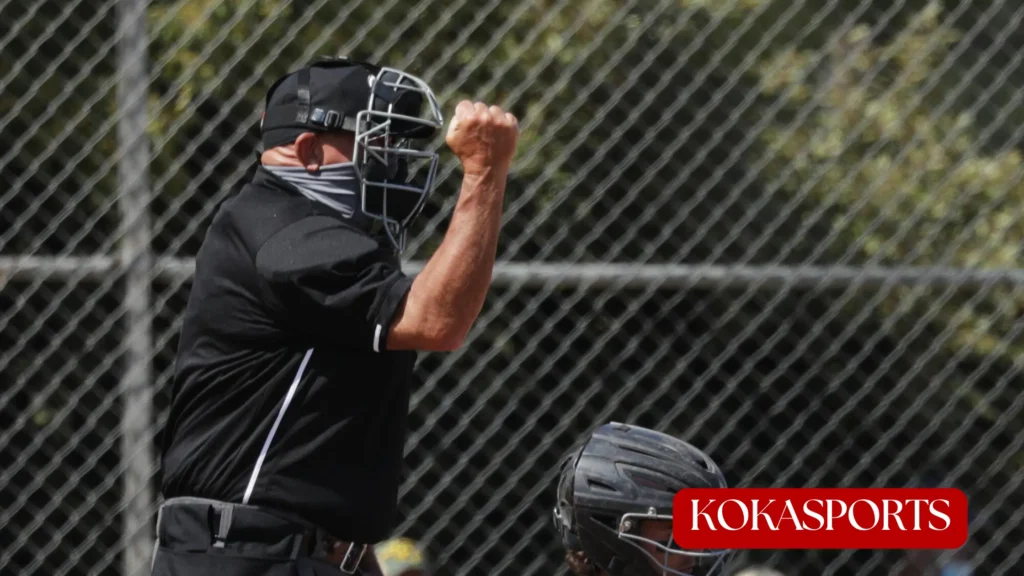
When the score is tied at the end of regulation seven innings, the game goes into extra inning play. Every extra inning gives each team another chance to score and determine the winner.
To keep extra-inning games from lasting too long, many high school leagues use the international tiebreaker rule, also known as the international tiebreaker rule. Under this format, each extra inning begins with a runner on second base, which immediately creates scoring pressure and helps speed up the game.
“The international tiebreaker has changed how coaches and players think about the late game. It rewards smart baserunning and clutch hitting rather than just grinding through long innings.”
The number of extra innings played depends entirely on when one team finally pulls ahead. Some extra-innings games end in the eighth inning, while others might go ten or eleven innings. There is no fixed cap on the number of extra innings in most high school leagues, though time limits may apply depending on local game rules.
High School Baseball Game Duration in Tournaments and Playoffs
The length of games changes significantly during a tournament or playoff. Here is what to expect:
Tournament Games
During a tournament game, organizers often schedule multiple games on the same field in a single day. Because of this, a strict time limit is almost always enforced usually no new inning may begin after 1 hour and 45 minutes or 2 hours. This helps ensuring that games do not bleed into each other’s scheduled slots.
In a typical double-elimination tournament format, a team may play two games in one day. Coaches must carefully manage pitch counts, rest, and substitutions across both games. Players and coaches need to stay mentally sharp even when fatigue sets in.
Playoff Games
Playoff games tend to be longer and more intense than regular season games. With more on the line, coaches take fewer risks, pitching decisions are more deliberate, and every at-bat gets more attention. Playoff or tournament games at the state level can sometimes approach the 2.5 to 3-hour range, especially when extra innings are played.
Here is a quick comparison of game durations in different settings:
| Game Type | Typical Duration |
|---|---|
| Regular Season Game | 1.5 – 2 hours |
| Tournament Game (with time limits) | 1.5 – 2 hours |
| Playoff Game | 2 – 2.5 hours |
| Extra-Inning Game | 2.5 – 3+ hours |
How Does High School Baseball Compare to Professional Baseball?
Many high school fans are used to watching MLB on television and assume that a baseball game will always run close to three hours. But the structure is quite different at the high school level.
- Professional baseball game: nine innings, ~3 hours, many pitching specialists, commercial breaks
- High school baseball: seven innings, ~2 hours, pitch count rules, no commercial breaks
A professional baseball game in a recent World Series like the famous Game 6 can run well over four hours due to constant pitching changes and high-stakes at-bats. High school baseball games may never reach that length under normal circumstances.
Professional leagues also use pace-of-play rules like innings and a 20-second pitch clock to speed up games. Many high schools are starting to adopt similar ideas at the local level, though they are not yet universally required.
What Parents and Fans Should Know About Game Length
If you are heading out to watch a high school sport like baseball for the first time, here is what to plan for:
- Arrive 20–30 minutes early for warm-ups and batting practice
- Plan for 2 to 2.5 hours for a standard game
- Bring weather-appropriate gear spring games can be cold or rainy
- Pack snacks and drinks since concessions are not always available at every field
- Check for time limits if attending a tournament game, as those can end more quickly
A school baseball game can last anywhere from 90 minutes to over three hours depending on the circumstances. Knowing this in advance makes attendance much more enjoyable.
Frequently Asked Questions
How long is a typical high school baseball game?
A typical high school baseball game lasts between 1.5 and 2.5 hours, covering seven innings.
Do high school baseball games have a time limit?
Yes, many high schools and leagues apply a time limit, especially during tournament play, to ensure games finish within a set window.
What is the mercy rule in high school baseball?
The mercy rule ends the game early when one team leads by 10 or more runs after five innings or runs after five innings to prevent lopsided results from going further.
Can a high school baseball game go into extra innings?
Yes, when the game is tied after seven innings, extra innings are played until a winner is found.
Final Thoughts on the Length of High School Baseball
The length of high school baseball games is shaped by innings, pitching, scoring, weather, and tournament rules. Most games last around 1.5 to 2.5 hours, which makes high school baseball one of the more accessible high school sports to attend. Whether you are a parent planning your schedule, a coach managing your roster, or a fan just getting into the game, this guide gives you everything you need to know about the duration of a high school baseball game from first pitch to final out.