
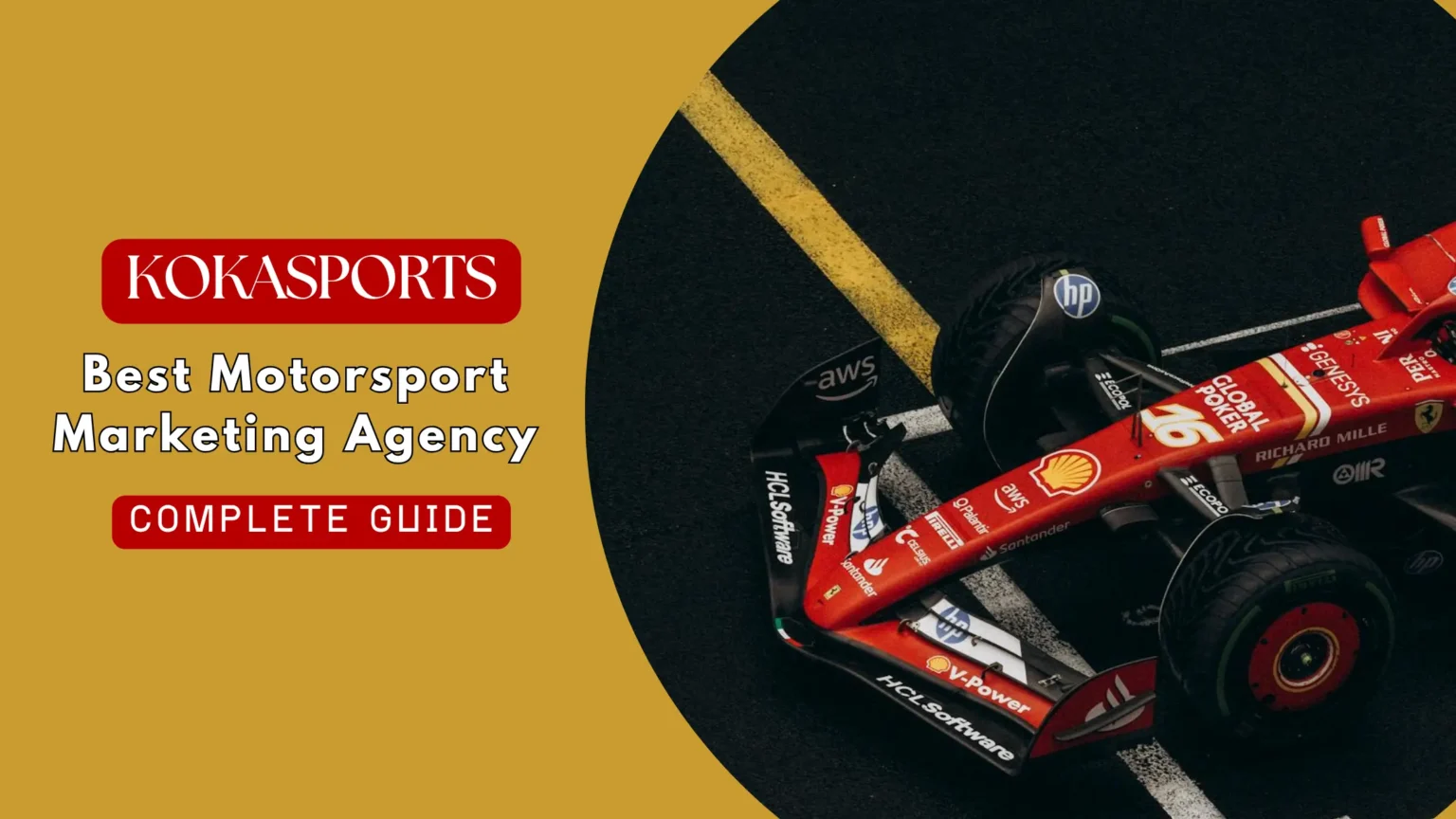
Choosing the best motorsport marketing agency for F1 sponsorship means finding a partner that does more than put your logo on a car. The right agency builds a commercial strategy around your brand objectives, negotiates fair sponsorship terms, and measures the business impact of every activation.
Agencies with decades of dedicated motorsport experience, such as RTR Sports Marketing, have been the best F1 sponsorship agency, working exclusively on the brand side since 1995 across Formula 1 and other leading racing series, and demonstrate the value of independent, objective sponsorship consulting.
Here’s what to look for and what to avoid.
Why Agency Choice Matters More Than You Think?
Working with a motorsports marketing agency is not the same as going directly to a team. Teams sell inventory. A reputed F1 sponsorship consulting agency sells strategy.
When you go direct, you get one team’s perspective on what’s available. You have no pricing benchmark. You don’t know if the assets you’re buying are actually the right ones for your audience. And once you sign, activation is largely left to you.
A specialist Formula 1 sponsorship agency for global brands does the opposite. It starts with your objectives, not a team’s available inventory. That difference is everything when you’re investing six to eight figures.
5 Things the Best F1 Sponsorship Agency Must Offer
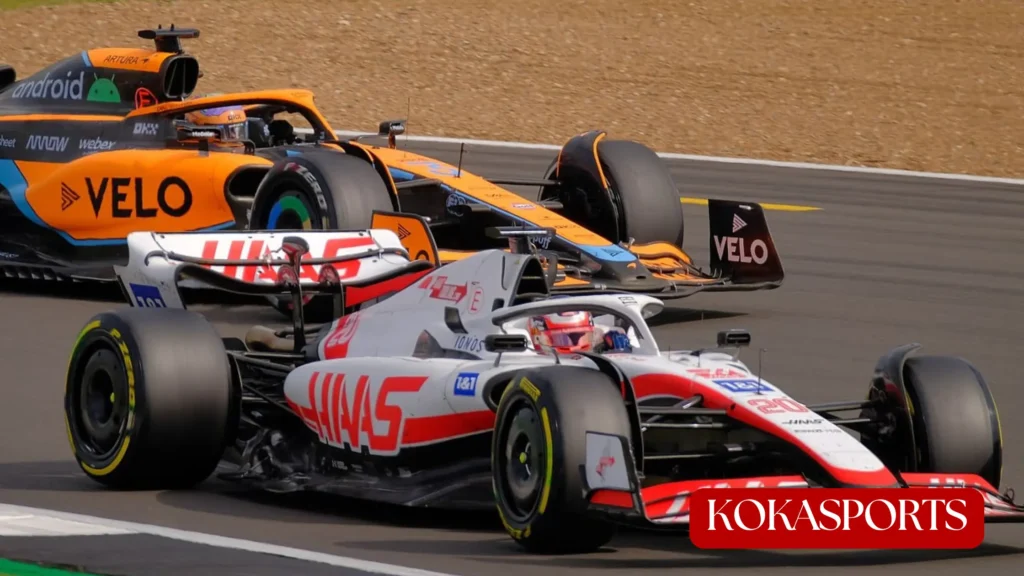
1. True Independence From Teams and Series
Ask any agency you consider:
Do you have a commercial relationship with any F1 team or series?
If the answer is yes or even vague, walk away. An agency with team affiliations has a financial incentive to steer you toward their preferred property, not the right one for your brand.
Look for agencies that are fully brand-side. RTR Sports Marketing, for example, has operated as an independent motorsport sponsorship consulting agency since 1995 with zero team or series affiliation ever. That means every recommendation they make is based on your data, not their commission structure.
Independence is the structural requirement that makes unbiased advice possible.
2. Global Footprint With Local Execution
F1 runs 24 race weekends across five continents. A deal that looks great on paper in New York needs to actually perform in Singapore, São Paulo, Abu Dhabi, and Las Vegas.
Your F1 brand activation agency should have the relationships and local knowledge to run campaigns across diverse markets.
That means understanding regional broadcast audiences, identifying which races over-index for your target demographic, and knowing how to activate the hospitality rights you’ve paid for in each location.
This table illustrates how race markets differ:
| Race | Primary Market | Typical Audience Profile | Brand Opportunity Focus |
| Las Vegas GP | USA | Young, high-income, entertainment-driven | B2C visibility, celebrity tie-ins |
| British GP (Silverstone) | UK / Europe | Traditional F1 fans, family demographic | Heritage brand storytelling |
| Singapore GP | Asia-Pacific | Urban, affluent, luxury-oriented | B2B hospitality, luxury activation |
| São Paulo GP | Latin America | Passionate, mass market reach | B2C reach, regional market entry |
| Monaco GP | Global elite | HNW individuals, C-suite | Premium B2B networking |
3. B2B Networking That Goes Beyond the Trackside Banner
The highest ROI in F1 doesn’t come from logo placement. It comes from the paddock.
Corporate hospitality in Formula 1 gives your executive team direct access to C-suite decision-makers from other global sponsors, team principals, and industry leaders.
These are relationships that would take years to build through conventional sales channels. The best F1 sponsorship consulting agency will help you:
- Identify which race weekends attract the most relevant corporate guest profiles for your sector.
- Structure a hospitality program that generates a documented pipeline, not just goodwill.
- Facilitate introductions to other sponsors and negotiate joint-venture opportunities within the paddock environment.
- Build a repeatable B2B hospitality model that your sales team can actually use.
Ask any F1 sponsorship consulting agency you’re evaluating how they measure the B2B value of hospitality. If they can’t answer that question concretely, they’re not the right partner.
4. Data-Driven Valuation and Independent ROI Measurement
If your CFO asks id the brand strategy worked or not, you need to be able to answer it.
This means ROI measurement must be built into the program before you sign anything.
A specialist F1 brand activation agency should define KPIs upfront, use independent third-party measurement platforms (not the team’s own wrap report), and deliver data your finance team will actually accept. Key metrics a serious agency should track and report on:
- Media equivalency value broadcast logo exposure across global markets, priced against advertising rates.
- Digital reach and engagement social impressions, owned content performance, driver content amplification.
- Hospitality utilization how many qualified guests attended, and what commercial outcomes followed.
- Brand sentiment shifts pre and post-season measurement of brand perception among target audiences.
- Category exclusivity compliance confirming no competitor brand was given conflicting rights.
5. Motorsport-Specific Heritage and Deep Regulatory Knowledge
F1 has its own rules such as, sporting, commercial, and hospitality, that change regularly and require specialist knowledge to navigate. An agency with genuine motorsport roots will understand:
- Which assets are routinely undervalued, and where do pricing benchmarks sit across each tier of investment.
- How to secure driver appearance rights and what the contractual protections look like.
- Which teams have flexible commercial directors and which will negotiate on exclusivity.
- How to identify category availability before you invest time approaching a property.
- What the realistic timeline is from first conversation to logo on car.
Generalist sports marketing agencies often lack this depth. They know the sport exists. They don’t know which team’s commercial director will actually move on price.
How to Choose an F1 Sponsorship Agency: A Practical Checklist
Knowing how to choose an F1 sponsorship agency comes down to asking the right questions before you sign anything. Use this as your filter:
| Question | What to Look For |
| Are you affiliated with any F1 team or series? | Clear “no”. Any affiliation is a conflict |
| How do you measure ROI? | Named third-party platforms, not team-provided data |
| What’s your fee structure? | Transparent, no hidden commissions from properties |
| How long have you worked in motorsport? | Depth of motorsport-specific experience, not general sports |
| Which markets can you activate in? | Specific regional capabilities, not vague “global reach” |
| Can you show past client outcomes? | Concrete commercial results, not just logo placements |
| What does your activation team look like? | Dedicated activation staff, not outsourced after signing |
Don’t skip the independence question. It is the single most important structural factor in getting unbiased advice.
Conclusion on Best Motorsport Marketing Agency
F1 sponsorship is one of the most powerful brand platforms in the world. But the value you extract depends almost entirely on the quality of the agency guiding the process.
The best F1 sponsorship agency will be independent, specialist, data-driven, and globally capable. It will start with your objectives and build backward from there, not from a team’s available inventory.
The right Formula 1 sponsorship agency for global brands is the one working exclusively in your interest. Make sure yours is.
Do your due diligence on the independence question first. Everything else follows from that.