
If you want to know when does the clock stop in NFL games, the short version is this: the clock stops on incomplete passes, when a player goes out of bounds late in a half, on scores, timeouts, the two-minute warning, many penalties, changes of possession, injuries, replay reviews, and at the end of each quarter. Clock management is one of the most important and least understood parts of the NFL, because the game clock does not just run straight through.
I learned how much it mattered the hard way, yelling at my TV during a comeback. My team was down late, racing to score, and the clock kept running on plays where I was sure it should have stopped. A runner got tackled in bounds, the clock kept going. We picked up a first down, still running. I was convinced the refs were broken.
A friend finally explained that I had the rules wrong, and that the NFL clock stops in some very specific situations and keeps running in others that fans often misjudge. Once I understood it, the whole endgame made sense. This guide walks through every situation that stops the clock, when it keeps running, how the final minutes change, and how the NFL compares to college football.
The NFL game clock stops on incomplete passes, players going out of bounds in the final two minutes of the first half or five minutes of the second half, scoring plays, timeouts, the two-minute warning, certain penalties, changes of possession, injuries, replay reviews, and the end of each quarter.
When Does the Clock Stop in NFL?
An NFL game is four 15-minute quarters, or 60 minutes of game time, though how long an NFL game takes in real life is closer to three hours because of all the stoppages.
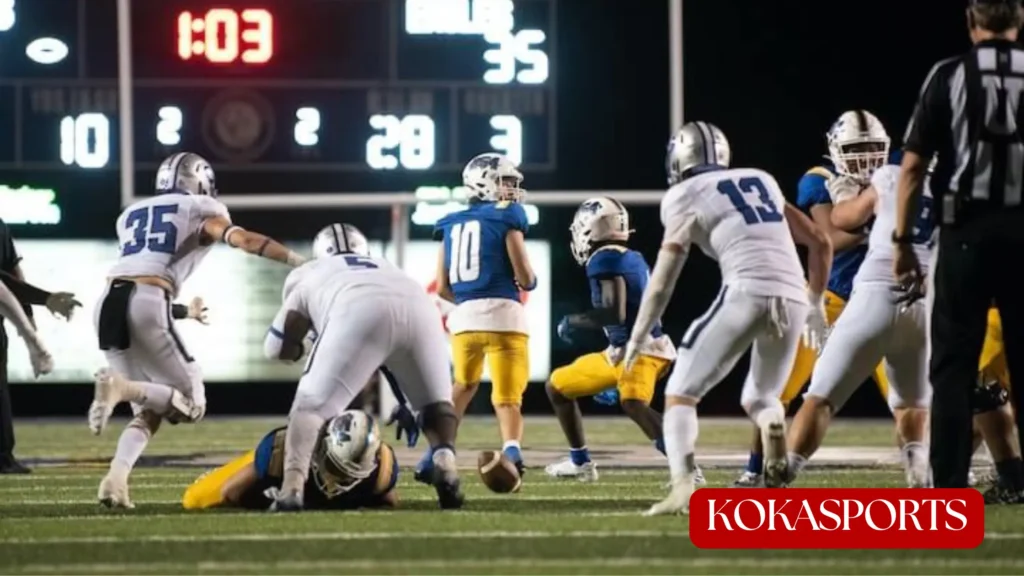
The key is understanding two clocks. The game clock counts down the 15 minutes in each quarter and only runs during live play and certain situations. The play clock is a separate 40-second timer that limits how long the offense can take between plays. The game clock can be either running or stopped depending on what just happened, while the play clock resets after every play. Knowing the difference is the first step to understanding NFL timing.
Every Situation That Stops the NFL Clock
Incomplete Passes
The simplest one. The moment a pass hits the ground incomplete, the clock stops and stays stopped until the next snap. This is why passing offenses can move fast late in games.
Player Goes Out of Bounds
This one trips up most fans. When a ball carrier goes out of bounds, the clock stops, but for most of the game it restarts as soon as the officials spot the ball. Only in the final two minutes of the first half and the final five minutes of the second half does the clock stay stopped until the next snap. There is even an exception within those windows: if the ball carrier is shoved out of bounds backward after contact, the clock keeps running.
Timeouts
Each team gets three timeouts per half, and calling one stops the clock immediately. Officials can also call their own timeouts for administrative reasons, and an injury triggers an official’s timeout as well. In every case, the game clock pauses.
Scoring Plays
Every score stops the clock. Touchdowns, field goals, safeties, extra points, and two-point conversions all pause the game clock while the score is recorded and teams reset for the kickoff or free kick that follows.
Change of Possession
A change of possession stops the clock momentarily. Interceptions, fumbles recovered by the other team, punts, and turnovers on downs all pause the clock while possession switches, after which it generally restarts when the ball is ready for play, subject to the late-game exceptions.
Penalties
Many penalties stop the clock so officials can enforce them. Accepted penalties usually pause the clock, while declined penalties leave the play and the clock as they were. Dead-ball fouls like a false start naturally stop play, and when the clock restarts depends on the situation and how much time is left.
Injured Players
When a player is injured, officials stop the clock for his safety. His team is charged a timeout if it has one, and in the final two minutes of a half there is a two-minute warning era rule where a ten-second runoff can apply if a team appears to be faking an injury to stop the clock with no timeouts left.
Instant Replay Reviews
Replay stops the clock too. A coach’s challenge, a booth review, or one of the automatic reviews of every scoring play and turnover all pause the game while officials look at the video.
Two-Minute Warning
The two-minute warning is an automatic stoppage when the clock hits 2:00 in the second and fourth quarters, working like a free timeout for both teams. It exists as a historical checkpoint and a television break, and many clock rules tighten once it passes.
End of Each Quarter
The clock stops at the end of every quarter. After the first and third quarters, teams simply switch ends and play continues with the same down and distance, while the end of the second quarter brings halftime and the end of the fourth ends regulation or sends the game to overtime.
When Does the Clock Keep Running?
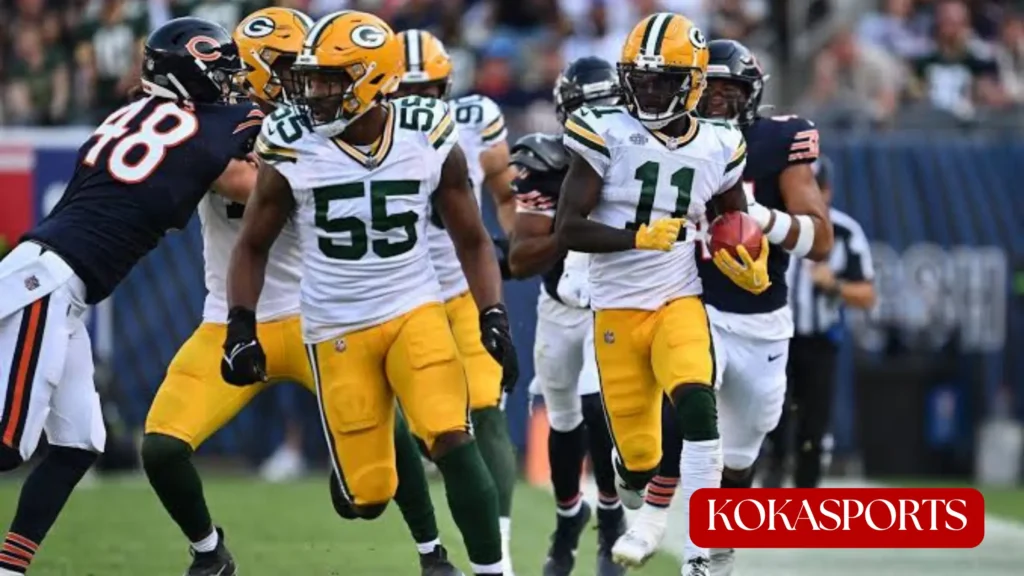
Plenty of plays leave the clock running even when fans expect a stop. A ball carrier tackled in bounds keeps the clock moving, and so does a receiver who catches a pass and is downed in bounds. Ordinary running plays that stay in bounds never stop the clock. Most declined penalties leave it running, and crucially, gaining a first down does not stop the NFL clock at all. These are the situations that drain time in a hurry during a comeback.
NFL Clock Rules Inside the Final Two Minutes
The endgame is where clock rules really change. Inside the last two minutes of a half, going out of bounds stops the clock until the snap, giving trailing teams a way to save time. Offenses use the spike, where the quarterback throws the ball straight into the ground right after the snap, to stop the clock at the cost of a down. The hurry-up offense and smart timeout use become essential, and clock-runoff rules can erase the final seconds when a trailing team commits certain fouls with no timeouts left. Every second is managed deliberately.
Does the Clock Stop After Every First Down?
No, and this is the most common misconception. In the NFL, gaining a first down does not stop the clock. People confuse this with college football, where the clock used to stop after every first down to reset the chains. College has since changed its rules to mostly keep the clock running too, but the old college habit is why so many fans wrongly expect an NFL first down to stop the clock.
NFL vs College Football Clock Rules
| Feature | NFL | College |
|---|---|---|
| First downs | Clock keeps running | Runs, but stops in final 2 min of each half |
| Out of bounds | Stops late in halves | Similar, stops to reset late |
| Two-minute warning | Yes, long-standing | Added in 2024 |
| Clock restart | On spot or snap late | Similar with late-half tweaks |
| Replay rules | Used throughout | Used throughout |
| Overtime timing | Timed period | Untimed, possession-based |
The biggest differences are first downs and overtime. The NFL never stops the clock for a first down, while college historically did and still stops it briefly late in halves. Overtime is a world apart, with the NFL using a timed period and college using untimed alternating possessions from the 25-yard line.
Does the Clock Stop After a Touchdown?
Yes. A touchdown stops the game clock while the score is recorded. The clock stays stopped through the extra-point or two-point attempt, and then it restarts on the ensuing kickoff, beginning again once the ball is legally touched in the field of play.
Does the Clock Stop After a Field Goal?
Yes, for a successful field goal, since it is a scoring play. The clock stops, and a kickoff follows just like after a touchdown. A missed field goal is different, because it is a change of possession, and the clock is handled according to where the ball ends up and how much time remains.
Does the Clock Stop on a Sack?
Usually not. A sack is just a tackle, so if the quarterback is brought down in bounds, the clock keeps running. It only stops if the quarterback is driven out of bounds, if the play falls inside the final two minutes of the first half or five minutes of the second, or if a team calls a timeout. At the end of a half, a sack in bounds can be a great way for a defense to run out the clock.
Does the Clock Stop on Penalties?
It depends on the foul. Many accepted penalties, whether on the defense or the offense, stop the clock for enforcement, and the clock then restarts based on the situation. Dead-ball fouls like a false start, delay of game, or encroachment naturally halt play before or after the snap. A penalty such as defensive holding committed during a play does not stop the clock by itself unless the play already ended in a stoppage. The restart can be on the spot of the ball or on the snap, depending on the time remaining.
Clock Management Strategy in the NFL
Offensive Strategy
A trailing offense fights the clock by throwing passes, running toward the sideline to get out of bounds, using the hurry-up, and spiking the ball to stop time. A leading offense does the opposite, running the ball in bounds to keep the clock moving.
Defensive Strategy
A trailing defense wants to stop the clock, so it uses timeouts and tries to force incompletions or tackles out of bounds. A leading defense is happy to keep runners in bounds and let the clock run.
End-of-Game Situations
This is where clock management wins and loses games. Teams use timeouts to save seconds, spike the ball to stop the clock, and kneel down to drain it. A leading team with the ball and a lead can often end the game by taking a knee, since the offense can use up to 40 seconds between plays.
Common NFL Clock Rules That Confuse Fans
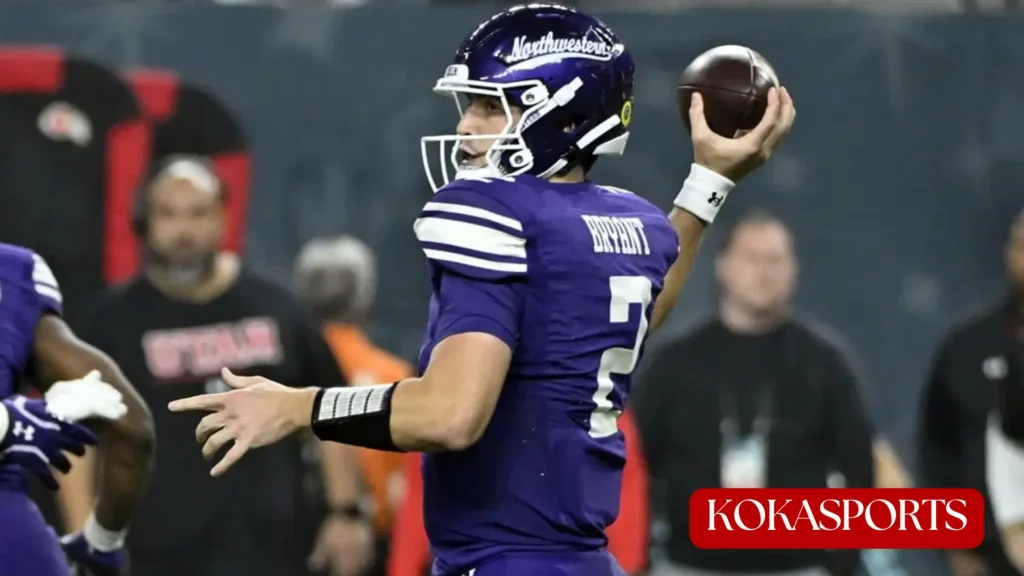
A few rules cause endless confusion. First downs do not stop the NFL clock, even though many fans think they do. Out-of-bounds plays only stop it for good late in halves. Injuries stop the clock but can trigger a ten-second runoff late in games. Replay reviews pause everything, and the clock restart after a penalty varies depending on the time left. Knowing these handful of quirks clears up most of the confusion.
Examples of Clock Stoppages During a Game
Picture a quick drive to see it all in action. A running play up the middle ends with the back tackled in bounds, so the clock keeps running. The next play is an incomplete pass, which stops the clock until the snap. The offense then calls a timeout, pausing the clock again. A completion picks up a first down, but the clock keeps running since first downs do not stop it. The next play, the receiver catches a pass and steps out of bounds late in the half, stopping the clock until the snap. Finally, the offense scores a touchdown, which stops the clock for the extra point. In one drive, you see almost every timing rule at work.
FAQs
When does the NFL clock stop?
The clock stops on incomplete passes, scores, timeouts, the two-minute warning, many penalties, injuries, replay reviews, the end of a quarter, and players going out of bounds late in a half.
Does the clock stop after every first down?
No. In the NFL, gaining a first down does not stop the clock. This rule is often confused with old college football rules that did stop the clock on first downs.
Does the clock stop when a player goes out of bounds?
It stops briefly, but for most of the game it restarts when the ball is spotted. Only in the final two minutes of the first half and five minutes of the second half does it stay stopped until the snap.
Does the clock stop after a touchdown?
Yes. A touchdown stops the clock through the extra point, and it restarts on the ensuing kickoff once the ball is legally touched in play.
Conclusion
So, when does the clock stop in NFL games? It stops on incomplete passes, scores, timeouts, the two-minute warning, many penalties, changes of possession, injuries, replay reviews, the end of each quarter, and out-of-bounds plays late in a half.
Understanding these rules changes how you watch the game, especially in the final minutes when every second is managed and clock strategy can decide the outcome. The biggest things to remember are that first downs do not stop the NFL clock, out-of-bounds plays only stop it for good late in halves, and the two-minute warning flips on a whole new set of rules.
The next time you are yelling at the TV during a comeback, like I once was, you will know exactly why the clock is running, and exactly what your team needs to do to stop it.