

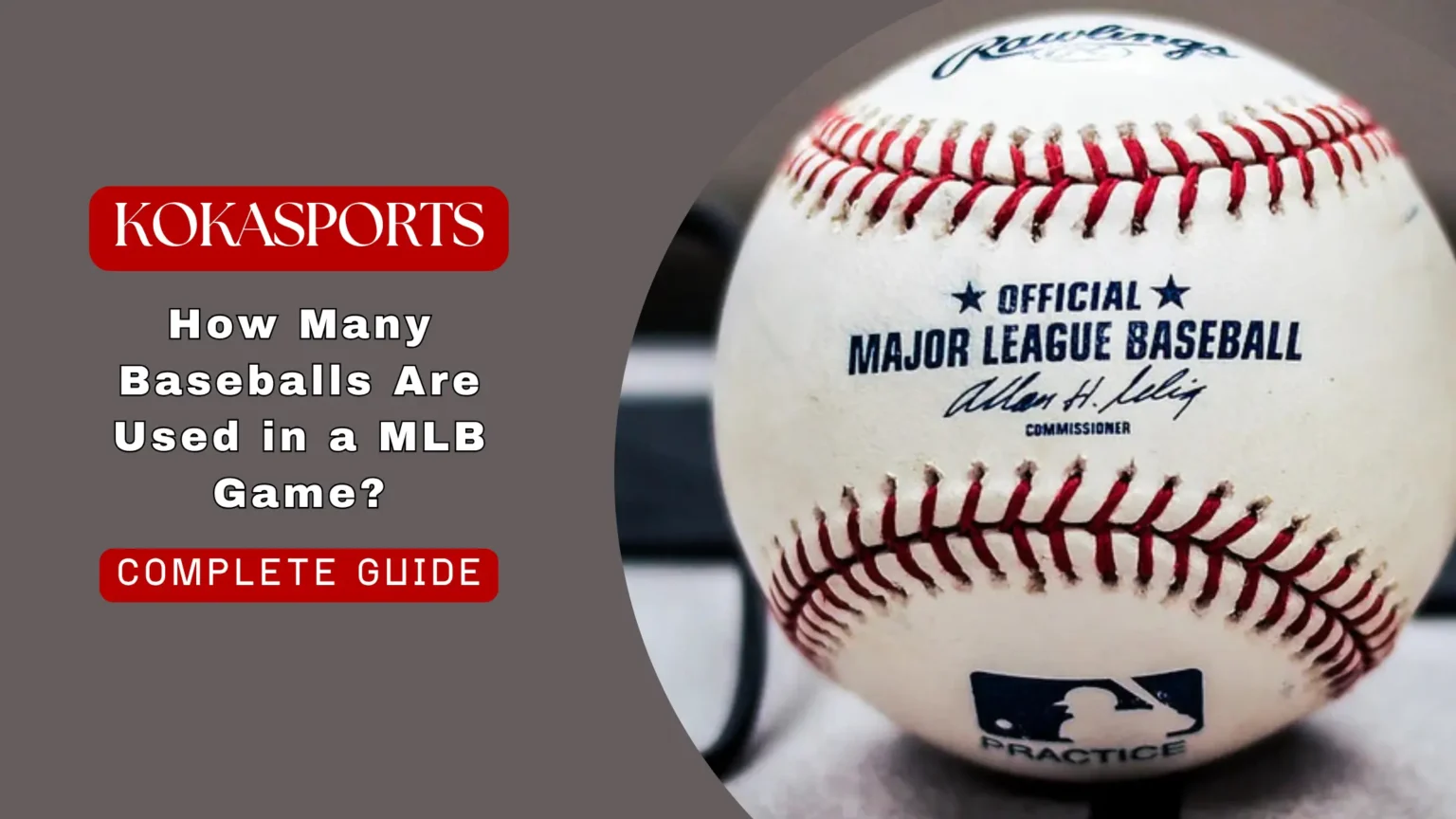
If you have ever wondered how many baseballs are used in a MLB game, the answer will genuinely surprise you a typical MLB game goes through anywhere from 96-120 baseballs, and sometimes even more. That number might sound unbelievable for a single baseball game, but once you break down everything that happens on the field from foul balls to home runs to umpire checks it starts to make complete sense. This guide covers everything you need to know about baseball usage in professional baseball, from a single game all the way up to a full season.
How Many Baseballs Are Used in a MLB Game?
The average number of baseballs used in a single MLB contest sits between 70 and 120, with most sources and insiders pointing to around 100 baseballs as a reliable middle estimate. Some high-scoring or extra-inning games push past that ceiling easily. The number of baseballs used can shift depending on how many pitching changes happen, how many foul balls are hit, and how active the umpire is in pulling balls out of play.
To put it in simpler terms: roughly 10 dozen baseballs are used in every major league baseball game played. That is a staggering amount when you consider that each ball might only see 2 to 3 pitches before it is gone.
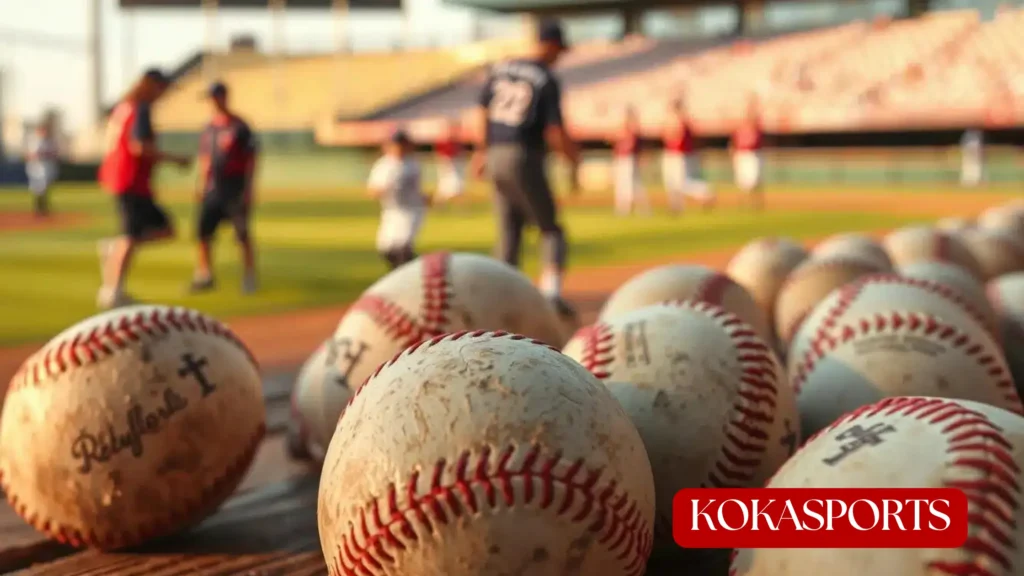
“Every baseball used in a major league game has a very short life. Most fans have no idea just how quickly these balls cycle through.” Former MLB equipment manager
Why Do MLB Games Require So Many Baseballs?
There are several reasons why MLB games require so many balls, and it goes far beyond just home runs and foul balls. Here is a breakdown of the main causes:
- Foul balls that land in the stands are kept by fans and never returned
- Home run balls are souvenirs they leave the park completely
- Umpire discretion the umpire pulls any ball that looks scuffed, dirty, or discolored
- Pitcher requests a pitcher can ask for a new ball at almost any time
- Wild pitches and passed balls that roll into the dirt
- Batting practice and warm-up drills before the game even begins
The rule set by major league baseball is clear: any ball that gets marked, scuffed, or soiled must be replaced immediately. This keeps the game fair, since a scuffed ball behaves differently in the air and gives pitchers an unfair advantage.
Read More: How Long Is a Baseball Game? Complete Guide to MLB Game Times
A Full Breakdown : Where Do All the Baseballs Go?
Foul Balls and Home Runs : The Biggest Reason
Foul balls and home runs are by far the largest single reason for the high number of baseballs used. In a typical game, there are roughly 30 to 40 foul balls hit into the seats. Each one of those is gone forever fans have the legal right to keep any ball that comes their way, and MLB supports that tradition entirely.
A home run ball is another automatic loss. Whether it is a solo shot in the third inning or a walk-off in the ninth, that ball goes into the crowd and is never coming back. On nights with several home runs, you can see how the numbers climb fast.
| Cause | Estimated Balls Lost Per Game |
|---|---|
| Foul balls into stands | 25–40 |
| Home runs | 2–6 |
| Umpire removals (scuffs/dirt) | 20–40 |
| Wild pitches / passed balls | 3–8 |
| Pitcher requests | 5–15 |
| Batting practice (pre-game) | 50–100 |
The Umpire’s Role in Ball Changes
The umpire has enormous power over how many balls cycle through a game. The home plate umpire watches every single pitch, and the moment a ball hits the dirt, gets scuffed on the bat, or picks up any visible mark, that ball is removed from play. The umpire tosses it to the dugout, and a fresh one comes in immediately.
This happens constantly throughout a game sometimes multiple times in a single inning. Catchers and pitchers both influence this process. A catcher might quietly flip a ball back to the umpire with a quick gesture, signaling that it feels off. A pitcher can simply hold the ball up, look at the ump, and request a new ball without saying a word.
Batting Practice : Before the First Pitch
Most baseball fans do not count batting practice in their mental math, but it is a major consumer of baseballs. Each team goes through roughly 50 to 100 practice baseballs during pre-game BP alone. These are not the same shiny official MLB baseball game balls they are slightly older, but still real professional-grade balls. After BP, those used balls are worn down, scuffed, and generally retired from game duty.
Pitcher Warm-Ups and Bullpen Usage
Every time a new pitcher comes into the game, they get warm-up pitches on the mound. Relief pitchers also throw in the bullpen for potentially long stretches before they ever enter a game. Each of those warm-up sessions burns through multiple balls. In a game with four or five pitching changes which is common in today’s modern game the bullpen ball usage alone adds up quickly.
How Many Baseballs Are Used in an MLB Season?
Scaling from a single major league game to a full regular season reveals just how massive the operation really is. With 2,430 total games played across the league each season, the math gets enormous fast.

- Per game average: ~100 baseballs
- Total regular season games: ~2,430
- Estimated total: over 900,000 baseballs approaching 1 million baseballs used per season
Some estimates suggest the number is even higher when you include all pre-game activity, batting practice, and minor league affiliates borrowing supplies. A single MLB team can spend anywhere from $200,000 to $300,000 on baseballs alone over the course of a full year.
The World Series adds its own layer of ball consumption. Playoff games tend to be tighter, longer, and more intense meaning more pitching changes, more careful umpire inspections, and more balls removed from play. Special World Series stamped balls are also collected as memorabilia, which means even more balls leave circulation.
The Cost of Baseballs : What MLB Actually Spends
Price Per Ball
An official MLB baseball costs around $7 to $10 at wholesale for teams. At retail, the same ball sells for $15 to $20 or more. The cost of baseballs adds up fast at those prices.
| Level | Estimated Cost Per Ball |
|---|---|
| Official MLB (wholesale) | $7–$10 |
| Official MLB (retail) | $15–$20 |
| Minor league baseballs | $4–$6 |
| Amateur / recreational | $2–$5 |
The home team is responsible for supplying all game balls both for themselves and the visiting team. That means every home series, the home MLB team is footing the entire bill. The total cost of baseballs for a team playing 81 home games can easily reach $75,000 to $100,000 just for game balls, before batting practice is counted.
What Makes an Official MLB Baseball Special?
Every ball used in an MLB game meets extremely tight specifications. Here are the official numbers:
- Weight: 5 to 5.25 ounces
- Circumference: 9 to 9.25 inches
- Core: Cork and rubber center
- Winding: Three layers of wool yarn
- Cover: Full-grain cowhide leather, hand-stitched with exactly 108 red stitches
Rawlings has held the exclusive contract to manufacture MLB baseballs for decades. Their factory in Costa Rica produces millions of balls annually, and every single one goes through a strict quality control process before it ever reaches the major leagues.
The Mud Rubbing Tradition
Here is one of the most fascinating facts in professional baseball: every baseball that enters a major league game has been rubbed with mud. Not just any mud a specific, special substance called Lena Blackburne Baseball Rubbing Mud, harvested from a secret location along a New Jersey river.
The mud dulls the shine on new balls, giving pitchers a better grip and making the ball easier to control. Without it, fresh league baseballs would be too slick and potentially dangerous. This tradition has been part of the game for decades, and it remains in place today.
How Baseball Usage Has Changed Over Time
The Dead Ball Era
In early baseball history, balls were used for as long as possible sometimes an entire game would be played with just a handful of balls. Fans were even expected to throw foul balls back. This all changed dramatically after 1920, when a pitch struck and killed batter Ray Chapman. After that tragedy, the league began requiring fresh, white balls to be kept in play so batters could see them clearly.
The Rise in Usage
Since the mid-20th century, baseball usage has climbed steadily. Several factors drive this trend:
- Fans are now encouraged (and legally allowed) to keep foul balls
- Pitchers request new ball changes far more frequently
- Umpires apply stricter standards for pulling scuffed balls
- The introduction of humidor ball storage at parks like Coors Field changed how balls behave, indirectly affecting how many balls are used in a game
The humidor keeps balls at a controlled humidity level. At high-altitude parks, dry balls fly farther, so humidors level the playing field and interestingly, they can reduce the number used slightly by making balls more durable.
Frequently Asked Questions
How many baseballs are used per game on average?
The average major league game uses between 70 and 120 baseballs, with 100 being a solid typical estimate.
Do MLB teams reuse game-used baseballs?
Game-used baseballs are not used again in the game once removed. They go to batting practice, minor league affiliates, charity, or authentication for collector sales.
Why do MLB games require so many baseballs?
A combination of foul balls, home runs, dirt contact, and aggressive umpire standards means many balls are used and removed constantly. The rules exist for player safety and game fairness.
What happens to used baseballs after the game?
Most used equipment like game balls ends up in batting practice buckets, donated to youth leagues, authenticated for collectors, or sold as memorabilia. Milestone balls like a home run record-breaker go through formal authentication and can sell for thousands of dollars.
Are playoff baseballs different?
The construction is identical. The markings differ a playoff ball has special league championship or World Series stamps but the specs are the same as any regular season ball.
Conclusion
The sheer scale of baseballs used in MLB games is one of those details that reveals just how massive and complex professional baseball truly is. From the balls per game count of nearly 100, to the approaching million baseballs consumed across a full season, to the six-figure baseball costs every home team absorbs it all adds up to a striking picture.
The mlb game may seem like a simple sport on the surface, but behind every pitch is a carefully managed, expensive, and surprisingly fragile supply chain of hand-crafted balls that each last just a few seconds of play. Next time you catch a foul ball in the stands, remember: you just saved MLB the trouble of figuring out what to do with it.