


The NBA season always feels endless until it suddenly isn’t. As the calendar turns toward spring, urgency replaces comfort. Rotations tighten. Mistakes carry more weight. One late turnover can shift not only a game but the tone of an entire stretch.
This stretch isn’t just about stacking wins. Timing matters. Health matters more. Availability rules and tiebreakers that felt distant in November now shape rotations, minute loads and how stars manage their pace.
Five storylines hover over the league: an MVP race shaped by eligibility rules, Boston’s potential shift if Jayson Tatum returns, a crowded Western bracket, deadline risks under pressure and injuries that may quietly decide who lasts.
The “65-Game Rule” MVP Race
The MVP debate has taken on a different tone this season. Dominance alone isn’t enough. Availability may decide it.
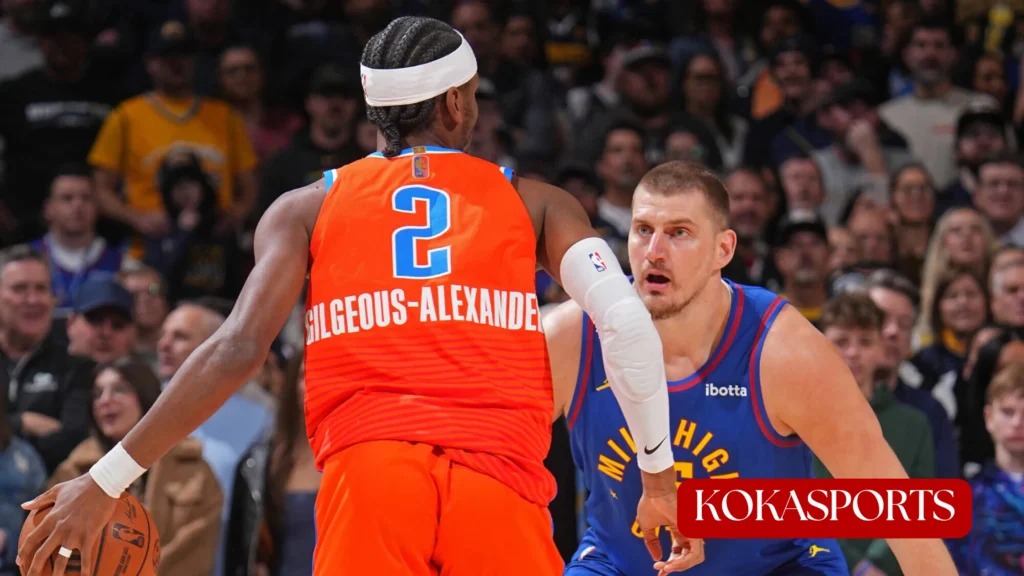
Nikola Jokić has been brilliant again, tossing impossible passes and scoring with that effortless touch. After missing 16 games he’s operating without much cushion. One more absence could jeopardize his eligibility under the 65-game rule. The clock is part of his case now.
Shai Gilgeous-Alexander faces similar tension. He’s guided Oklahoma City near the top of the West with calm control yet an oblique strain has tightened his margin. Missed time accumulates quickly this late.
Cade Cunningham, meanwhile, keeps showing up. Detroit’s rise mirrors his steadiness. He has missed far fewer games than the other frontrunners, giving him a crucial edge in a year defined by eligibility. Flash matters but durability may matter more when ballots are cast.
The Jayson Tatum Factor and an Eastern Power Shift
Boston has steadied itself without Jayson Tatum, which still sounds improbable. A strong record. A defense that holds up on the road. Jaylen Brown is embracing late-game responsibility without hesitation.
Tatum’s potential return shifts everything. The Celtics have managed his rehab carefully, avoiding any rushed timeline. A March comeback, even in limited minutes, would immediately alter the conference outlook.
An Achilles recovery carries obvious caution. No one expects an immediate 35-point eruption. Even at less than full strength his presence reshapes scouting reports and postseason projections across the conference.
Detroit’s hold on the top seed would feel less secure. Cleveland’s rise with James Harden would face a sharper spotlight. Boston has been disciplined without him. With him, the East could take on a different edge entirely.
The Western Conference Logjam
Out West, clarity is hard to find. The standings shift almost nightly. A single result can shuffle half the bracket before anyone has time to settle.
The Lakers, Timberwolves, Suns and Warriors sit within a narrow band of each other. A rough stretch can mean the difference between a stable six seed and the uncertainty of the Play-In, where two nights can erase months of work.
Minnesota benefits from a manageable closing schedule. Denver faces heavier resistance. Golden State’s looming back-to-back could tilt its trajectory. Home court or a sudden road trip hinges on details that feel small until they aren’t.
When standings tighten, context matters. Analysts look beyond records to point differential, late-game execution and projected margins. Updated NBA spreads often mirror those expectations, hinting at just how slim the separation really is.
Trade Deadline “All-Ins” Facing Real Tests
Front offices that pushed their chips in now have to live with the consequences. Deadlines create urgency but they also create expectations. The final weeks are often the first honest measure of whether bold moves truly fit.
Cleveland’s acquisition of James Harden looked bold in January. Fourteen wins in sixteen games have quieted skepticism. Harden has not needed to dominate the ball. Donovan Mitchell has not needed to shrink. It’s been functional. Efficient. Almost seamless.
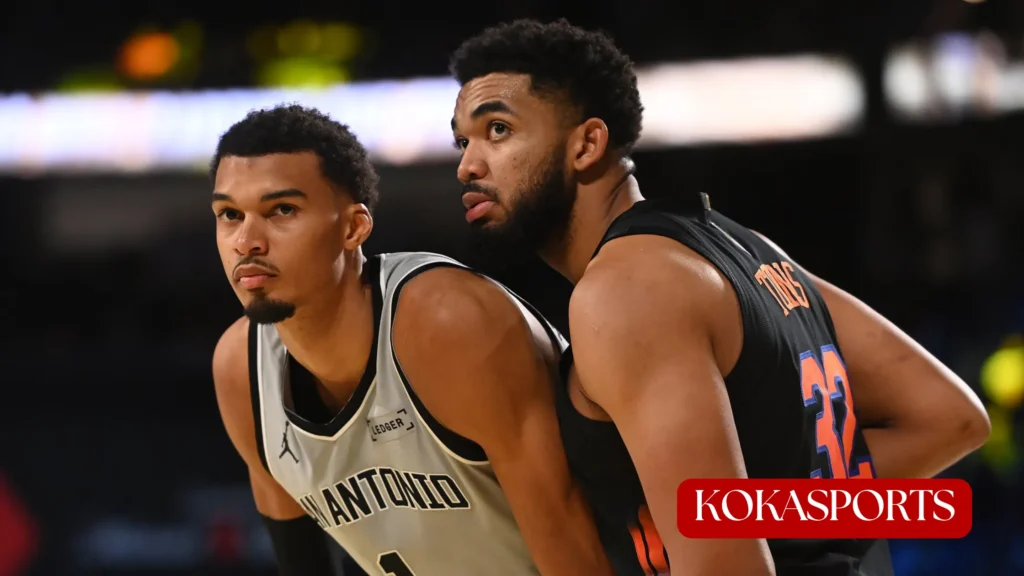
Washington’s reshaping around Anthony Davis and Trae Young feels more long-term than immediate. Results may fluctuate but the stretch run offers clarity: how the spacing works, who closes games and what identity emerges under pressure.
Memphis moved in the opposite direction, dealing Jaren Jackson Jr. and leaning into youth. That decision signaled patience over urgency. Not every deadline move is about chasing a title. Some are about resetting the timeline entirely.
Injury Clouds Over Contenders
Health rarely announces itself. It lingers in the background until it doesn’t. A minor listing on an injury report can suddenly become the headline that shifts a season.
Sacramento lost Domantas Sabonis to meniscus surgery and the ripple effect has been immediate. Offensive flow stiffens. Rebounding margins shrink. Rotations tighten earlier than expected.
Joel Embiid continues to manage intermittent issues, leaving Philadelphia’s ceiling difficult to define. Phoenix has dealt with injuries to key contributors at the wrong time. Dallas officially shutting down Kyrie Irving removed a layer of unpredictability from its offense.
Late-season basketball leans into half-court execution. Possessions slow, shot creation tightens and the absence of a primary creator or interior anchor becomes glaring. Coaches talk about rhythm yet this time of year often disrupts it.
Schedule Dynamics and the Myth of Momentum
Fans love the idea of momentum. A seven-game streak can make a team feel untouchable. Broadcasts lean into it, social feeds amplify it and belief builds quickly. History, though, tends to complicate that narrative.
Full-season efficiency usually predicts playoff success better than a hot closing stretch. A team finishing 6–4 with elite defensive metrics may be sturdier than one that goes 9–1 against softer competition.
Schedule context deepens the picture. Minnesota’s slate offers opportunity, while Denver’s brings resistance. Back-to-backs, road swings and quiet tiebreakers often matter more than whichever team happens to feel hottest in the moment.
Final Weeks Reveal More Than the Standings
This is the stretch when reputations are tested. Narratives harden. Small details suddenly carry weight. An MVP case can wobble with one absence. A contender can rise a tier with a single return. A Western hopeful can slip into the Play-In after one rough trip. Deadline gambles start to look either sharp or shortsighted.
These final weeks won’t settle every argument. They rarely do. What they reveal is sturdiness. Which teams will be built to last and which are still searching as April approaches?
FAQs
What makes the final weeks of the NBA season different?
The urgency increases as rotations tighten, injuries matter more, and every game can impact playoff seeding.
Why is the 65-game rule important in the MVP race?
Players must appear in at least 65 games to be eligible, making availability just as important as performance.
Which conference is more unpredictable late in the season?
The Western Conference, where several teams are separated by only a few games and standings change daily.
Do late-season winning streaks guarantee playoff success?
Not necessarily overall efficiency, health, and schedule strength matter more than short-term momentum.