

The X receiver in football is the wide receiver who lines up on the line of scrimmage, usually on the weak side of the formation. Also known as the split end, the X receiver is typically the offense’s primary outside target and is responsible for beating press coverage and winning one-on-one matchups.
In American football, the success of any offense starts with how well the team organizes its players on the field. The wide receiver positions are not just randomly assigned they follow a blueprint that has been refined over decades. Each receiver has a specific role, and knowing these roles helps fans, coaches, and players anticipate what’s coming before the ball is even snapped. At the heart of this system is the X receiver, a player who serves as the foundation of the passing game.
The X receiver is often the most physically dominant player in the receiving corps, tasked with winning battles at the line of scrimmage and creating opportunities downfield. This position requires a unique combination of size, strength, and technical skill that separates it from other receiver positions. For fans who want to watch football with a deeper level of insight, learning about the X and Z roles transforms the viewing experience. You’ll start to notice formations, predict defensive adjustments, and recognize when a team is setting up a big play before it happens.
What Is the X Receiver in Football? (Quick Definition)
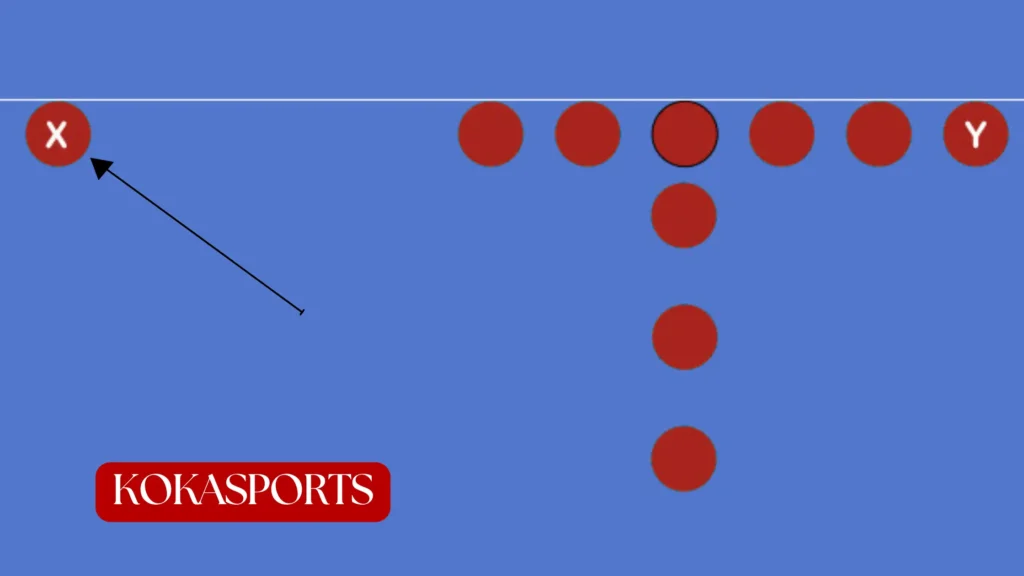
The X receiver is the wide receiver who lines up on the line of scrimmage, typically on the weak side of the formation. This player is also known as the split end, a term that dates back to when this receiver would “split out” away from the main formation. The X receiver must be positioned on the line of scrimmage to satisfy the rule that requires seven players on the line during every offensive play. This is a crucial detail because it affects the entire offensive formation and determines which players are eligible receivers.
Because the X receiver is locked into this position on the line, they cannot go in motion before the snap like the Z receiver can. This constraint actually defines much of what makes the X receiver special. They must win their matchups without the benefit of motion or surprise. They are the primary threat in most NFL offenses, often drawing the defense’s top cornerback and sometimes even additional safety help over the top. Teams build their passing attack around the X receiver’s ability to win one-on-one battles consistently.
Read Also: What Is the Z Receiver in Football? Complete Guide to the Flanker
The XYZ Framework: How Coaches Organize Receiver Positions
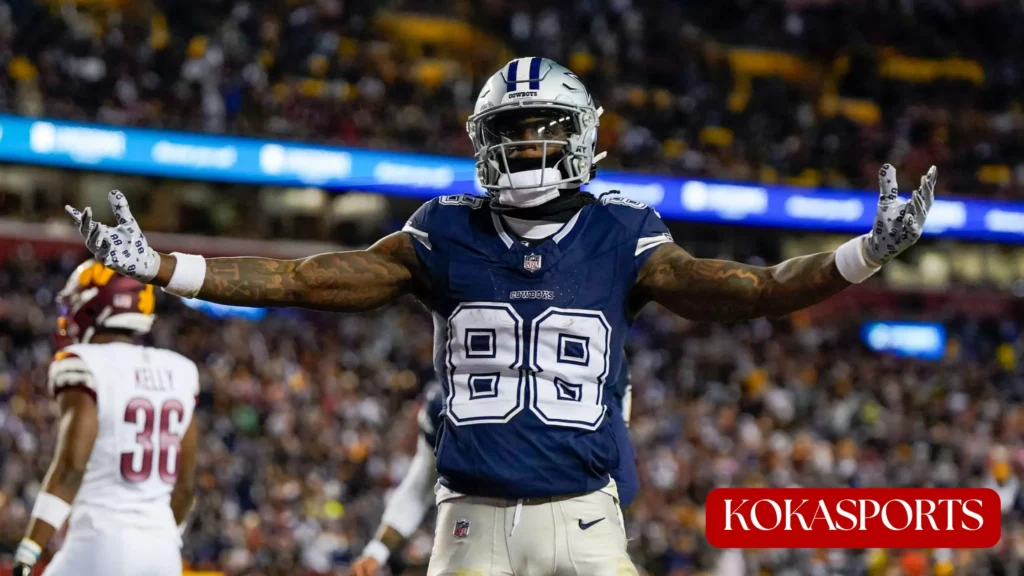
Professional football coaches use a simple naming system to organize their receivers: XYZ. This framework helps everyone on the team communicate quickly and clearly about assignments, routes, and adjustments.
The X is the split end who stays on the line of scrimmage. This receiver typically lines up on the opposite side as the tight end, which is usually the weak side of the formation. The X receiver needs to be physical enough to fight through press coverage and skilled enough to run precise routes against tight man-to-man defense.
The Z is the flanker, the receiver who lines up off the line of scrimmage. This positioning gives the Z receiver the freedom to go in motion before the snap, which helps the offense identify defensive coverages and create favorable matchups. The Z is usually more versatile in terms of route running and can move around the formation more freely.
The Y is traditionally the tight end, who serves as a bridge between the offensive line and the receiver group. The tight end can block like a lineman or catch passes like a receiver, making them a versatile weapon in modern offenses.
When teams go to three wide receiver sets, the slot receiver enters the game. This player lines up inside the outside receivers, usually in the space between the tackle and the outside receiver. The slot receiver typically faces linebackers or nickel cornerbacks, creating potential mismatches based on quickness and route running ability.
X vs Z vs Slot: Key Differences & Comparison Table
The differences between these receiver positions go far beyond just where they line up. Each position demands different physical traits and technical skills.
Alignment and Motion Rules: The X receiver must stay on the line of scrimmage and cannot move before the snap. They are anchored to their spot, which means they face press coverage more than any other receiver. The Z receiver lines up behind the line of scrimmage, giving them the option to shift or go in motion. This movement helps the quarterback read defenses and can create confusion for defenders trying to match up. The slot receiver also lines up behind the line of scrimmage, typically inside, and can motion as well.
Physical Traits: The X wide receiver tends to be the biggest and most physical player in the receiving corps. Teams look for players who are 6’2″ or taller with long arms and the strength to beat a jam at the line. The Z receiver often has more speed and explosion, used to stretch the defense vertically or attack the middle of the field. The slot receiver usually has the best quickness and agility, able to create separation in tight spaces against bigger defenders like linebackers.
| Feature | X Receiver (Split End) | Z Receiver (Flanker) | Slot Receiver |
|---|---|---|---|
| Alignment | On the Line | Off the Line | Inside / Off Line |
| Motion | No | Yes | Yes |
| Primary Skill | Beating Press | Route Versatility | Finding Open Space |
| Physical Build | Tall, Strong | Fast, Explosive | Quick, Agile |
| Coverage Faced | Top CB, Safety Help | CB, Zone Drops | Nickel CB, LB |
| Route Tree Focus | Go, Post, Comeback | Deep Cross, Corner | Slant, Dig, Option |
Key Responsibilities of an X Receiver in an Offense
The X receiver carries several critical responsibilities that make them indispensable to the offense. Their job extends far beyond simply catching passes.
Beating Press Coverage: The most important skill for any X receiver is the ability to beat the jam at the line of scrimmage. Defensive backs will try to disrupt their route by making physical contact immediately after the snap. The X receiver must use hand techniques, footwork, and body control to create separation and get into their route. This hand fighting is like a boxing match in miniature quick, violent, and decisive. Players who cannot beat a jam consistently will struggle to play the X position at a high level.
Winning on an Island: The X receiver often finds themselves isolated on one side of the field, matched up against the defense’s best cornerback. This is called playing on an “island” because there’s no help coming no picks, no rubs, no motion to create confusion. The X receiver must win this matchup through pure skill and technique. When teams have a dominant X receiver, they can exploit this backside matchup even when the main play design goes elsewhere.
Run Game Impact: When the offense calls a running play, the X receiver has blocking responsibilities. They need to engage the cornerback and create a lane for the running back. Good X receivers take pride in their blocking and recognize that their willingness to block makes the entire offense more dangerous. Defensive backs who know the X receiver will block on run plays must stay honest and cannot cheat toward the run game.
Vertical Gravity: One of the X receiver’s most valuable contributions is creating vertical gravity forcing the defense to respect the deep threat. By running “Go” routes and “Post” routes, the X receiver pulls safeties deep and creates space underneath for other receivers to operate. Even when the X receiver isn’t the target, their presence changes how the defense must align and react.
Why NFL Teams Value the X Receiver So Highly
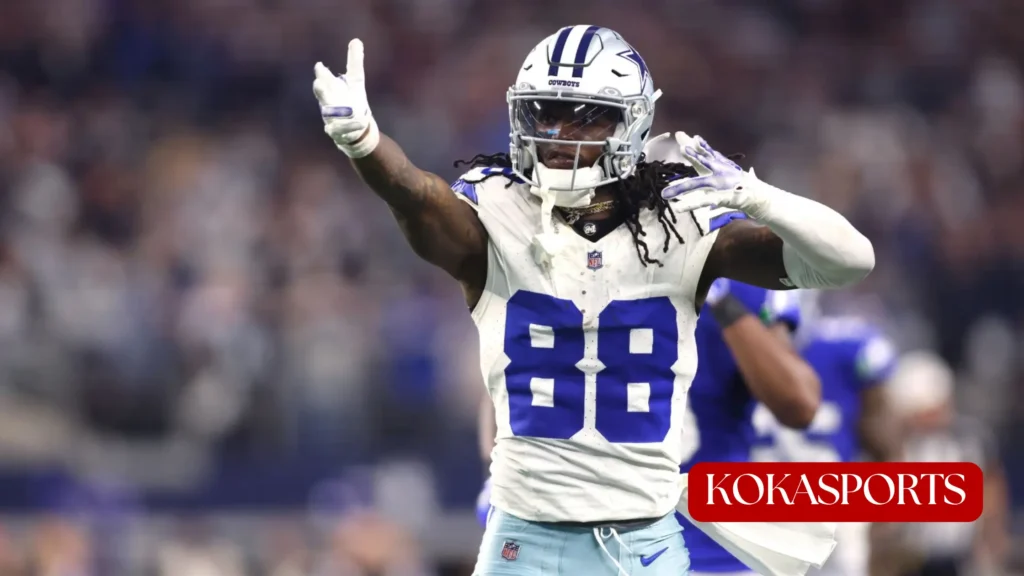
The NFL places enormous value on receivers who can play the X position effectively. This value shows up in draft position, contract size, and game planning.
NFL Draft Evaluation: When scouts evaluate receivers for the NFL Draft, they look for specific traits that indicate X receiver potential. Height is a major factor teams prefer receivers who are at least 6’1″ or 6’2″ to win contested catches and see over defensive backs. Wing span matters because longer arms help receivers catch balls away from their body and fight off defenders. The release is another critical evaluation point how quickly and cleanly can the receiver get off the line of scrimmage against press coverage?
Dictating Coverage: A true X receiver forces defensive coordinators to make difficult decisions. If they leave the X receiver in single coverage, the offense can attack that matchup repeatedly. If they provide safety help over the top, the offense can exploit the middle of the field and underneath routes. This is why teams are willing to invest high draft picks and large contracts in elite X receivers they change the entire defensive equation.
Modern Hybrids: While the traditional X receiver was a pure boundary player who stayed on one side, modern offenses are evolving. Some teams move their best receiver around to different positions, using them as the X on some plays and moving them to the slot or Z on others. This versatility creates even more problems for defenses because they cannot simply assign their best cornerback to shadow one position.
Iconic X Receivers: From Legends to Modern Stars
Looking at the history of great X receivers helps illustrate what makes this position special.
The Prototypes: Calvin Johnson, who played for the Detroit Lions, might be the most physically perfect X receiver in football history. At 6’5″ with incredible speed and leaping ability, he was virtually impossible to cover one-on-one. Randy Moss brought a different dimension exceptional speed combined with height and body control. Both players could beat press coverage, win contested catches, and stretch the defense vertically.
The Master Technicians: Not every great X receiver dominates through pure athleticism. Davante Adams, who starred for the Green Bay Packers before moving to Las Vegas, is known for his exceptional route running. He uses subtle techniques to create separation even when defenders know what’s coming. AJ Brown combines power and technique, using his physical build to beat the jam and his route tree mastery to create opportunities downfield.
Case Study: When the Green Bay Packers had Adams as their X receiver, it transformed their entire offense. The quarterback could trust that Adams would win his matchup, which meant the offensive coordinator could design plays that attacked other parts of the defense knowing the defense had to respect Adams. This created opportunities for other receivers, the tight end, and even the running back in the passing game. The presence of an elite X receiver makes every other offensive player more effective.
Conclusion: The Engine of the Passing Game
The X receiver serves as the engine that drives the passing game in football. This position requires a unique combination of size, strength, technique, and mental toughness. The receiver must win battles at the line of scrimmage, execute precise routes under tight coverage, and provide blocking support in the run game. Teams that find an elite player for this receiver position gain a massive advantage because it forces defenses into impossible choices help the X receiver and get exploited elsewhere, or leave them in single coverage and watch them dominate.
When you watch your next NFL Sunday, pay attention to the offensive formation before the snap. Look for the outside receiver who is up on the line of scrimmage, usually on the opposite side as the tight end or the side of the field with fewer blockers. That’s your X receiver. Watch how the defense adjusts to them, how they fight through the jam, and how their presence creates opportunities for their teammates. You’ll gain a whole new appreciation for the chess match happening on every play and the critical role this one receiver position plays in determining who wins and loses in professional football.
FAQs
Is the X receiver always the team’s best player?
No. While the X is often the “star” because they have the toughest job (beating 1-on-1 press coverage), many teams move their best playmaker to the z receiver or slot receiver spots. This allows them to use pre-snap motion to get open more easily.
Can receivers switch between X and Z during a game?
Yes. Coaches move players around to find better matchups. A player might be an x wide receiver on first down and then shift to the z spot on second down to use a motion play. The only strict rule is that at the snap, one player must be “on the line” to count as the X.
Why use “X” instead of just “Left” or “Right”?
It’s a coaching code. Since players constantly swap sides, calling them “Left” or “Right” would be confusing. Using XYZ tells a player their specific job like whether they are on the line (X) or in the backfield (Z) no matter where they stand on the field.