


If you’ve ever watched a football game and wondered what happens between offensive and defensive plays, the answer lies in what is special teams in football?. One of the most crucial yet often overlooked aspects of the game. While most fans focus on quarterbacks throwing touchdowns or defenses making big stops, special teams can completely shift momentum and determine the outcome.
Whether it’s a blocked punt returned for a touchdown, a perfectly executed kick that pins the opponent deep in their own territory, or a game-winning field goal as time expires, these high-impact moments highlight exactly what special teams in football is all about.
What Is Special Teams in Football?
In american football, every team has three phases: offense and defense and special teams. The special teams unit is the group of players who take the field during kicking plays. This includes kickoffs, punts, field goals, and extra point attempts.
Unlike offense or defense, where the same core group of players stays on the field for multiple plays, the special team rotates in specifically for these kicking situations. Many of the players on the field during special teams plays are role players, backups, or specialists but they are just as important to winning.

“Special teams account for one-third of the game. If you ignore that third, you are going to lose a lot of close games.” Common coaching wisdom in the NFL
The role of special teams is simple but powerful: control field position, score points directly, and create momentum. Teams that consistently play special teams well tend to win more games, especially close ones.
Read more :How Many Quarters in Football? NFL, College Football, and Game Time Explained
Special Teams Positions in Football
One thing new fans often miss is that special teams positions require completely different skills than standard football positions. Knowing each role is key in fact, knowing the positions is key to appreciating how much strategy goes into every kicking play.
The Kicker
The kicker is arguably the most important specialist on the field. This player handles both kickoff duties and scoring plays like the field goal and extra point. A great kicker can be worth multiple wins per NFL season alone.
Key kicker responsibilities:
- Executing the opening kickoff at the start of each half
- Attempting every field goal when the offense stalls
- Handling all extra point attempts after a touchdown
- Keeping kickoffs deep to limit the return team
The Punter
The punter takes over on fourth down when the offense cannot convert. A great punter does not just kick the ball far they control where it lands. The best punters pin the opposing team inside their own 10-yard line, giving the defense a massive advantage. The punt is one of the most underrated weapons in football.
The Long Snapper
The long snapper is a specialist who does one job: snap the ball accurately between their legs over a distance of 7–15 yards to the holder or punter. A bad snap on a field goal attempt or a punt can cost a team dearly. The long snapper is rarely noticed until something goes wrong and then everyone notices.
The Gunner
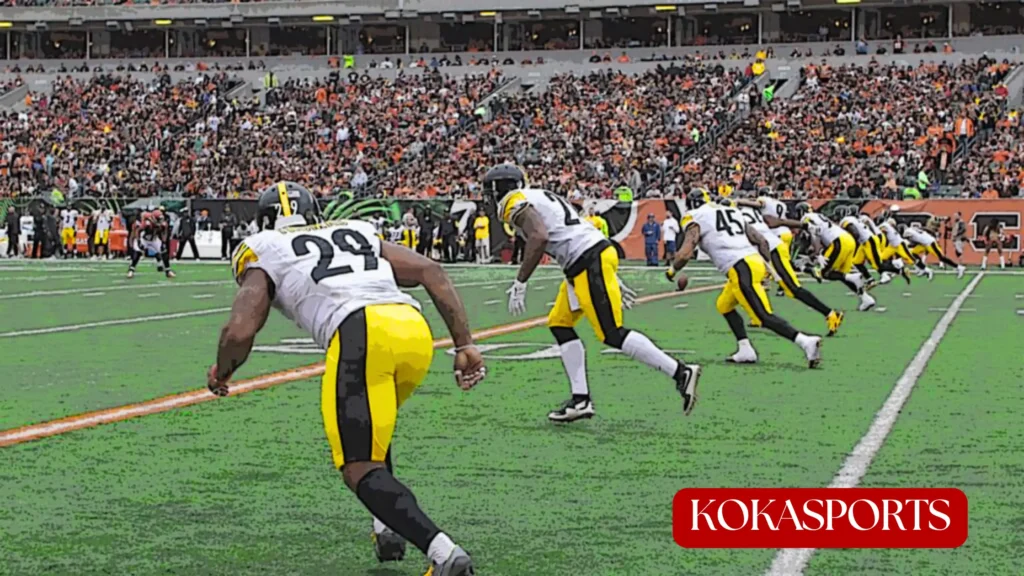
The gunner is the fastest player on the punt team. Their job is to sprint downfield the moment the ball is kicked, beat blockers, and tackle the returner before they gain big yardage. A good gunner is like a heat-seeking missile fast, relentless, and precise. Some of the best gunners have been converted wide receiver types because of their speed and route-running instincts.
The Punt Returner and Kick Returner
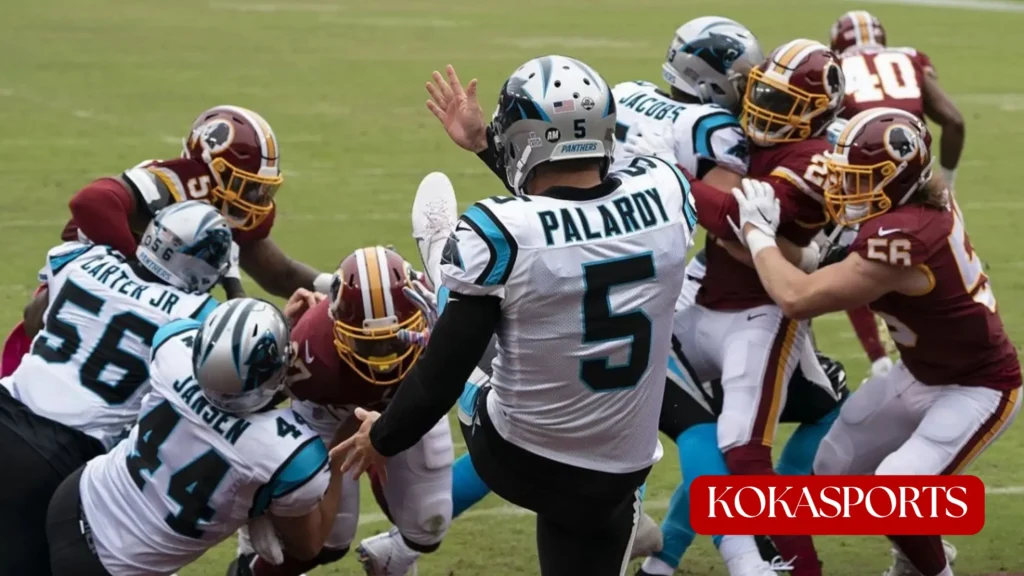
The punt returner and kick returner are explosive, elusive players often running backs or defensive backs tasked with catching kicks and advancing the ball as far as possible. The kick returner handles kickoffs while the punt returner handles punts. A great returner can flip field position in one play or even score a touchdown with a return.
| Position | Primary Job | Key Skill |
|---|---|---|
| Kicker | Field goals, kickoffs, extra points | Accuracy and leg strength |
| Punter | Punt on 4th down | Distance and placement |
| Long snapper | Snap on kicks and punts | Consistency under pressure |
| Gunner | Cover kicks downfield | Speed and tackling |
| Punt returner | Return punts | Agility and vision |
| Kick returner | Return kickoffs | Explosiveness |
Other players who play special teams include linebackers, defensive backs, tight end options as blockers, and even offensive linemen filling coverage roles. A defensive line player or members of the offensive line may also be used to block on field goal protection.
The Kickoff: Starting Strong
The kickoff is how every half and every score begins. The kickoff team lines up and the kicker sends the ball deep into the opponent’s end zone or to a designated returner. The kickoff return team then forms a wall of blockers to open a lane for the kick returner.
Fast facts about kickoffs:
- A touchback (ball kicked into the end zone and not returned) gives the receiving team the ball at their own 25-yard line
- Kickoff coverage is one of the most physically demanding jobs on the field
- The kickoff return average in the NFL is typically between 22–24 yards
- An onside kick where the kicking team kicks short to try to recover the ball has a recovery rate of roughly 10% in predictable situations
The onside kick is one of the most dramatic special teams play moments in football. Teams typically attempt an onside kick when trailing late in a game and desperately needing possession. One of the most famous was the New Orleans Saints’ successful onside kick to open the second half of Super Bowl XLIV, which completely shifted the outcome of a game that the Saints eventually won.
The Punt: Controlling Field Position
When a team faces fourth down and does not have a realistic shot at converting, they send out the punt team. The punter drops the ball and kicks it before it hits the ground, sending it downfield to flip field position.
The punt return team lines up on the other side, with the punt returner back deep and a return team of blockers in front. A smart punt returner reads the coverage, finds gaps between gunners, and turns a routine play into a major gain.
The punt is so impactful because:
- A net punt average of even 5 extra yards per kick adds up to massive yardage advantages over a full game
- A blocked punt can be returned for a touchdown, one of the most sudden momentum shifts in football
- A perfectly placed punt and kickoff strategy can define an entire game plan
The coverage team sometimes called the coverage team sprints downfield to tackle the ball carrier before they get back to the line of scrimmage or beyond. The punt return game has evolved over the years, with teams spending significant draft capital on elite returners because of how much they impact starting field position.
Field Goals and Extra Points: Points From the Special Team
Field goals and extra points are where the special team directly puts numbers on the scoreboard. A field goal is worth 3 points and is attempted when the offense is close enough for the kicker to have a realistic chance. Field goal attempts typically happen between 20–55 yards in the NFL.
Field goals and extra points share the same operation: the long snapper fires the ball to the holder, who places it down for the kicker to strike. The entire process takes about 1.3 seconds.
Extra point attempts after a touchdown are worth 1 point (or teams can attempt a 2-point conversion). Since the NFL moved the extra point line back to the 15-yard line in 2015, extra point attempts are no longer automatic miss rates have climbed noticeably.
| Play | Points | Distance (NFL) |
|---|---|---|
| Extra point (PAT) | 1 | ~33 yards |
| Two-point conversion | 2 | Run/pass from 2-yard line |
| Field goal | 3 | Varies (20–65 yards) |
A field goal block is one of the most exciting defensive plays in the game. Defensive players crash through gaps in the offensive linemen‘s protection to bat down the kick. In rare cases, a blocked kick can be returned for 2 points (a safety) or even a touchdown by the defense.
The Importance of Special Teams in Football
The importance of special teams cannot be overstated. Studies of NFL data consistently show that field position is one of the strongest predictors of scoring. Teams that start drives inside their own 20-yard line score touchdowns far less often than teams starting near midfield.
A great special teams coach designs schemes to maximize every inch. They work with football coaches across the roster to identify which offensive or defensive players have the athleticism and toughness to cover kicks, block, and return. Specialists like the kicker, punter, and long snapper spend hours perfecting technique because even small inconsistencies cost games.
Key ways special teams directly affect outcomes:
- Field position: A 40-yard net punt vs. a 50-yard net punt compounds over an entire game
- Direct scoring: Field goals, extra points, and return touchdowns all come from the kicking game
- Momentum: A blocked kick or big return energizes a team and crowd in a way few plays can
- Clock management: Strategic punts and kickoffs help teams control game flow late
Football special teams is also one of the primary ways young players get onto the field and prove their value. Many special teams players who start as fringe roster members playing on the kickoff return team, working as a blocker, or playing as a gunner go on to earn larger roles on offense or defense. The last line of defense on a big return play is often a kicker or punter, which is why tackling ability is now factored into evaluations.
“You want players who are smart, fast, and fearless on special teams. Those guys win football games.” Paraphrased from multiple NFL special teams coordinators
Frequently Asked Questions
How many players are on the special team at once?
Eleven players per side are on the field during all special teams play situations, just like on offense and defense.
Can offensive and defensive players play special teams?
Yes linebackers, defensive backs, running backs, tight end players, and even defensive line members regularly play special teams in the NFL.
What is the difference between a punt and a kickoff?
A punt happens on fourth down from wherever the offense stopped. A kickoff happens at the start of each half and after every score, from the kicking team’s own 35-yard line in the NFL.
Why does field position matter so much?
Every extra yard of field position gained by the special team means the offense starts closer to scoring. Over a full NFL game, the cumulative difference can easily be 50+ yards which often determines the outcome of the game.
Conclusion
Special teams in football is not a side note it is a full third of the game. From the thundering kickoff to the chess match of a late-game field goal attempt, the special team shapes every football game in ways most fans never fully appreciate.
Whether it is the gunner sprinting past blockers, the punter flipping field position with a perfectly placed kick, or the kicker splitting the uprights under pressure, every specialist has a role that can decide who wins and who loses. The next time you watch an NFL game, pay close attention when the special team takes the field because that is often where games are truly won.