

What is PBU in football? In American football, PBU stands for Pass Break-Up. It is a defensive statistic recorded when a player knocks the ball away from a receiver to cause an incomplete pass.While it is also called a pass deflection (PD), the term PBU is the official scoring term used in the NFL and NCAA to measure how well a defender stops the passing game.
NFL and NCAA coaches value a PBU almost as much as a turnover because it stops offensive momentum without the gamble of going for an interception. When a defender forces third-and-long with a well-timed pass breakup, that play can be just as valuable as creating a turnover. Elite defenders in today’s game average over 1.0 PBU per game, showing their ability to consistently disrupt the passing attack.
PBU at a Glance:
- Stands for: Pass Breakup (or Pass Broken Up)
- Official Stat Category: Passes Defended (PD) which equals PBU + Interceptions
- Primary Goal: To force an incomplete pass by touching the ball or receiver’s hands
- Key Rule: The defender must look back at the ball to avoid a pass interference penalty
- Average for Elite CBs: 15-20 PBUs per season (roughly 1.0 per game)
Read More: What is a PBU in Football? The Ultimate 2026 Guide to Pass Break-Ups & Defensive Coverage
The Basics: What is PBU in Football?
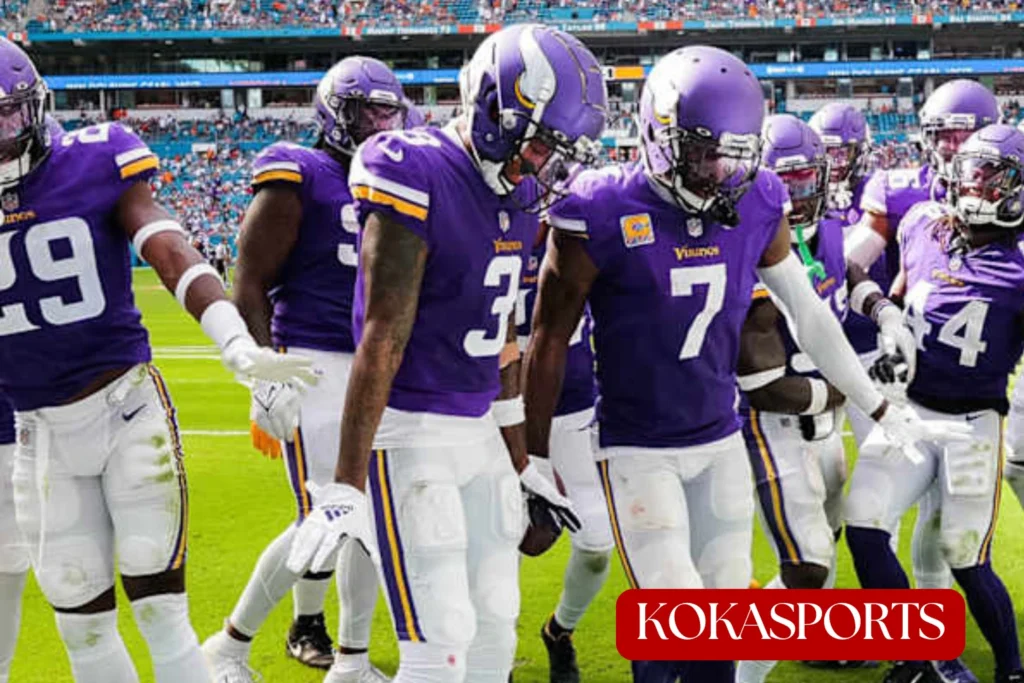
The official meaning is simple. PBU stands for Pass Breakup, which can also be called Pass Broken Up. This is a tracked defensive stat that shows how many times a player prevented a completion by knocking the ball away or disrupting the catch.
Here’s how a pass breakup happens step by step. First, the quarterback throws a legal forward pass toward his receiver. Then, a defensive player makes contact with either the ball itself or the receiver’s hands to disrupt the catch attempt. The final result is an incomplete pass that gets credited to the defender’s stat sheet.
The anatomy of a PBU requires three specific things to occur. The quarterback must release a forward pass that’s within the rules of the game. The defender needs to physically touch or disrupt the ball or the receiver’s catching motion. The pass must fall incomplete as a direct result of the defender’s action. When all three happen together, the official scorer awards a pass breakup.
One critical rule to know: the pass must be catchable for a PBU to be awarded. According to NCAA rules, if the quarterback throws the ball five yards out of bounds or completely overthrows the receiver beyond any reasonable chance of a catch, no PBU gets recorded even if a defender was nearby. The pass needs to be within the receiver’s catching radius for the defender to earn credit for breaking it up.
The PBU vs PD Distinction (Important!)
This is where many fans get confused, and it’s important to get this right. While people often use PBU and PD interchangeably in casual conversation, official NFL and NCAA box scores define them differently.
Here’s the technical formula: Passes Defended (PD) = Interceptions + Pass Breakups
When you look at ESPN or NFL.com stat sheets and see “Passes Defended,” that number includes both the player’s interceptions AND their pass breakups combined. So if a cornerback has 4 interceptions and 16 pass breakups, his Passes Defended stat would show 20 total.
A PBU is specifically the act of breaking up a pass without intercepting it. A PD is the statistical category that includes both breakups and interceptions together. Think of it this way: all pass breakups are passes defended, but not all passes defended are pass breakups (some are interceptions).
Technically, the “Passes Defended” stat you see on ESPN is the sum of a player’s interceptions and their PBUs. This matters when you’re comparing players or looking at contract negotiations, because teams want to see both numbers separately to evaluate consistency.
How is a Pass Breakup (PBU) Recorded in the Box Score?
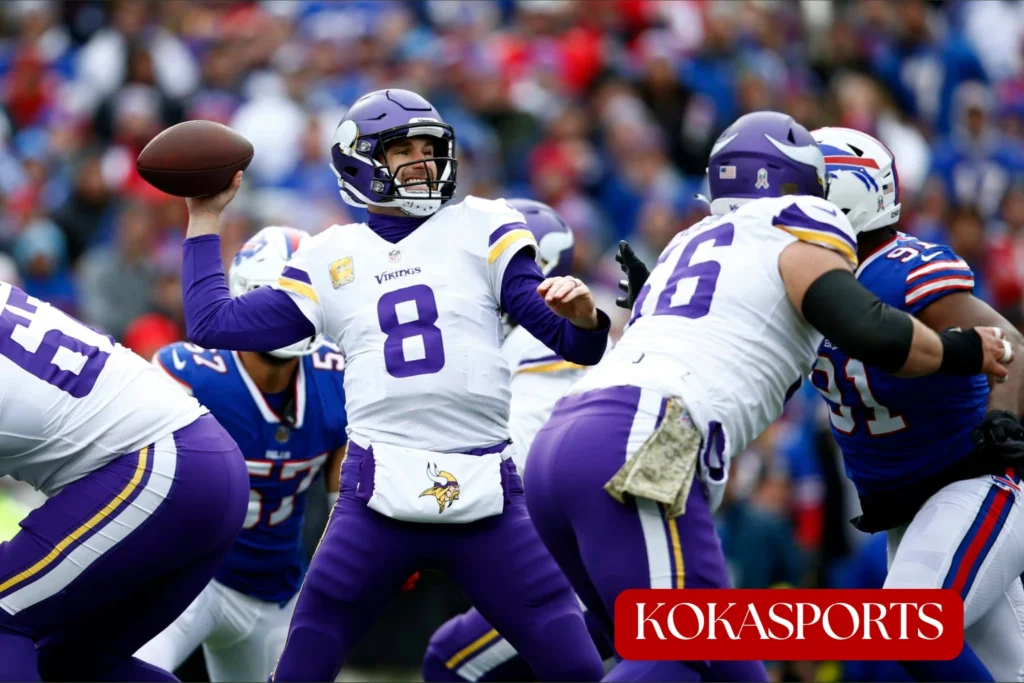
The official scorer follows a strict set of rules when deciding if a play counts as a pass breakup. The “Clean Rule” states that the defender must be the primary reason the ball was dropped or knocked away from the receiver. If the receiver would have caught the ball without the defender’s interference, then it’s a PBU.
Whether the contact is a gentle finger-tip touch or a violent swat doesn’t matter for the stat. Both count as a football PBU as long as the defender makes contact with the ball. A cornerback who barely gets his fingertips on a deep ball gets the same credit as a safety who hammers the ball out of the air with both hands. The result is what matters did the defender cause the incompletion?
When it ISN’T a PBU Common Mistakes People Make:
Many incomplete passes don’t qualify as pass breakups, and fans often get confused about this. Here are the situations that look like PBUs but aren’t:
- Receiver drops without defender contact: When a receiver has a clean catching opportunity and simply drops the ball on his own, no PBU is awarded. The defender might be nearby, but if he doesn’t touch the ball or receiver, it’s just a drop.
- Quarterback overthrows the receiver: If the QB throws the ball five yards over the receiver’s head and it lands out of bounds, that’s on the quarterback, not a defensive play. No PBU gets recorded even if a defender was in coverage.
- Penalty situations: When Defensive Pass Interference gets called, no PBU is credited even if the defender knocked the ball away. The penalty erases any positive defensive stats on that play. The same applies to defensive holding or illegal contact penalties.
- Uncatchable passes: As mentioned above, the pass must be catchable according to the rulebook for a PBU to count.
PBU vs Interception: Which is Better for Your Defense?
Both stats stop a completion, but they work in very different ways. An interception creates a turnover and gives your offense the ball immediately. A pass breakup forces an incomplete pass and moves to the next down. The question isn’t really which is “better” they serve different purposes in a complete defensive scheme.
The Comparison
While an interception gives your team the ball, a PBU is often the “smarter” play in high-pressure moments. Here’s why:
| Feature | Pass Break-Up (PBU) | Interception (INT) |
|---|---|---|
| Result | Incomplete Pass | Turnover (Defense gets ball) |
| Risk | Low – Safe play | High – Can lead to a TD if missed |
| Commonality | Very Common (~15 per game league-wide) | Rare (~1 per game league-wide) |
| Ball Possession | Offense keeps the ball | Defense gains possession |
| Frequency per Elite CB | 15-20 per season | 4-6 per season |
| Coverage Requirement | Tight coverage, knock ball away | Perfect position + catching ability |
Pro Tip: On 4th down or in the end zone, a PBU is just as good as an interception because it ends the drive immediately without the risk of a “bobbled” catch that could turn into a completion.
Risk Level
Going for an interception is like going for a home run swing in baseball when it works, it’s spectacular, but the risk is real. A defender who tries to intercept every pass might get “burned” in coverage when he misjudges the ball. A PBU in football is often the safer, more disciplined play that keeps the defense in good position.
Think about a cornerback in press man coverage on third-and-seven. If he tries to jump the route for an interception and mistimes his jump, the receiver might run past him for a touchdown. If he plays it safe and just knocks the ball down for a pass breakup, the offense has to punt. Coaches love defenders who make the smart, safe play in critical situations.
The “Incomplete” Advantage
Here’s something that doesn’t show up in highlight reels but wins games. A third-down pass breakup has nearly the same effect as a punt. When a defender breaks up a pass on third down, the offense usually has to punt the ball away. The field position might not change much, but the defense successfully got off the field without giving up points or first downs.
Elite defenses focus on creating three-and-outs, which means forcing the offense to punt after three unsuccessful plays. A well-timed PBU on third down accomplishes exactly that goal. You don’t need a spectacular interception return for a touchdown you just need to stop the offense from moving the chains.
Positions That Record the Most PBUs in Football
Different defensive positions contribute to pass breakup stats, but some positions naturally get more opportunities than others.
Cornerbacks (CB) are the primary source of what is pbu in football statistics. These players line up in press man coverage against receivers on most plays, which gives them constant chances to deflect passes. Elite cornerbacks often lead the entire league in pass breakups because they’re targeted so frequently. When offensive coordinators see a young or weak cornerback, they attack him repeatedly, which actually increases his PBU opportunities if he’s skilled enough to defend the passes.
Cornerbacks who excel in press man coverage use their hands to disrupt the receiver’s route within the first five yards, then turn and run with tight coverage. This technique leads to more contested catches, which creates more opportunities for pass breakups. The best cornerbacks combine physical play at the line with excellent ball tracking skills downfield.
Safeties (S) rank second in pass breakups, particularly the “ball hawk” types who patrol the deep third of the field. Free safeties who read the quarterback’s eyes can break on passes and arrive just in time to knock the ball away. These ball hawk safeties have a natural instinct for the football and can often anticipate where the quarterback is throwing before the ball leaves his hand.
Strong safeties who cover tight ends also rack up pass breakups when they’re matched against bigger, slower receivers running over the middle. Ball hawk safeties in center field coverage are particularly valuable because they can see the entire field and react to any throw that comes into their zone.
Linebackers (LB) contribute to pass breakup stats when they drop into zone coverage. Modern defenses ask linebackers to defend more passing lanes than ever before. When a linebacker reads a crossing route and jumps to deflect the pass, that’s a PBU. These players typically record fewer pass breakups than defensive backs, but their contributions in the middle of the field can be critical on third downs.
Defensive Linemen (DL) earn pass breakups by “batting the ball” at the line of scrimmage. When a defensive end or tackle gets his hands up and deflects a pass right as the quarterback releases it, the official scorer credits him with a PBU. This happens more often than people realize, and it’s one reason why tall defensive linemen with long arms are so valuable.
Does a Batted Ball at the Line Count as a PBU?
Yes, absolutely. If a defensive lineman tips the ball at the line of scrimmage and it falls incomplete, he receives credit for a pass breakup. This is one of the most misunderstood aspects of PBU stats. Many fans assume that only defensive backs in coverage can earn pass breakups, but the stat applies to any defensive player who causes an incompletion.
Defensive linemen who excel at batting passes typically have these traits: height over 6’4″, long arms with an 80+ inch wingspan, and excellent timing to raise their hands at the exact moment of release. Players like Cameron Jordan and Calais Campbell have made careers partly on their ability to bat down 5-8 passes per season at the line.
A batted pass at the line is just as effective as a pass deflection 30 yards downfield. In fact, some coaches prefer batted passes because they eliminate any chance of a completion or yards after catch. When a defensive lineman bats down a pass on third-and-five, that’s a momentum-changing play that forces a punt.
Advanced Stats: Why PBUs are the “Truth Metric” for Scouts
Professional scouts and analytics experts pay close attention to pass breakups when evaluating defensive backs. Here’s why this stat tells them more than flashier numbers.
Consistency vs. Luck is the big factor. Interceptions are often “streaky” because they require the perfect combination of opportunity, positioning, and ball skills. A cornerback might go five games without an interception through no fault of his own quarterbacks simply stop throwing in his direction. But a high PBU in football count shows that a player is consistently in the right position to make plays. When scouts see a defender with 15+ pass breakups in a season, they know he’s being tested regularly and winning those battles.
The PBU-to-Target Ratio is an advanced analytic that measures how often a player breaks up a pass compared to how many times the offense throws at him. A cornerback targeted 80 times who records 18 pass breakups has a 22.5% breakup rate. That’s elite territory. This stat helps scouts separate the truly great cover corners from guys who simply get lucky with a few timely picks. The best cornerbacks in the league typically have PBU-to-target ratios above 18%.
Impact on Passer Rating Against shows the real value of pass breakups. When a defender consistently knocks down passes, the quarterback’s completion percentage drops significantly when throwing in that direction. This directly impacts the quarterback’s passer rating against that defender. Quarterbacks know they can’t complete passes against certain defenders, so they eventually stop testing them.
Defenders with high PBU counts in their first few games often see their targets decrease as the season goes on which is actually proof that they’re winning. Teams stop throwing at shutdown corners. The passer rating against stat combines completion percentage, yards per attempt, touchdowns, and interceptions to create a single number that measures quarterback efficiency. When a defender has multiple pass breakups in a game, the passer rating against him drops dramatically, often below 50.0, which is considered elite coverage.
Rules and Penalties: PBU vs Pass Interference (DPI)
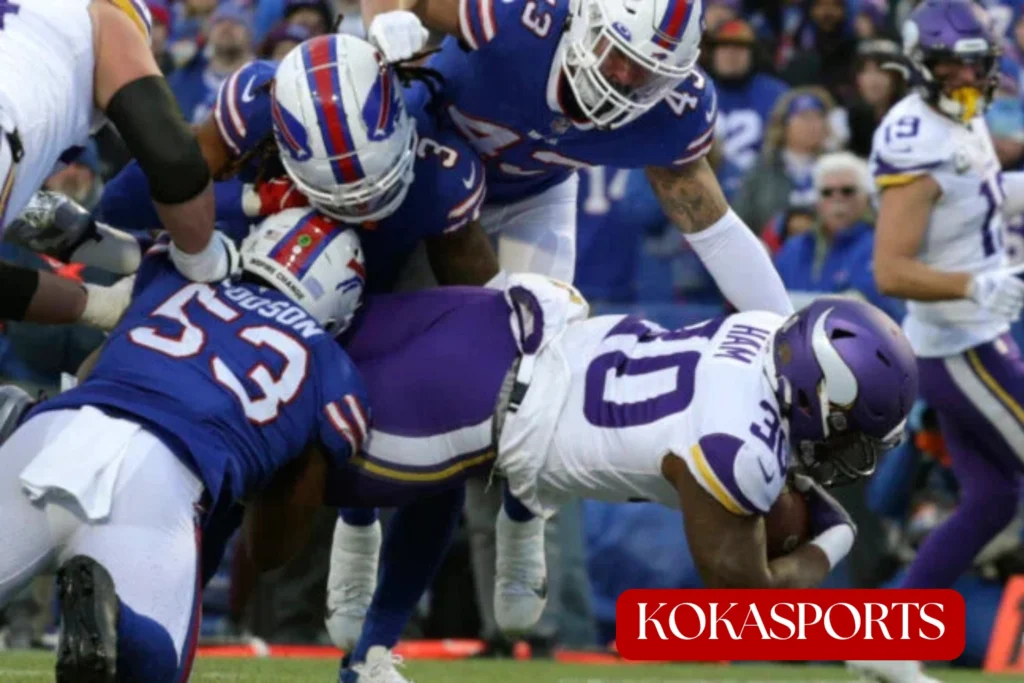
The difference between a great pass breakup and a costly penalty often comes down to inches and timing. Let’s break down when defenders can make plays on the ball and when they can’t.
The Fine Line
The “Turn the Head” rule is critical for defensive backs. To legally break up a pass and get the football PBU credit, defenders must turn their head to locate the ball before making contact. If a cornerback runs stride-for-stride with a receiver but never looks back for the ball, any contact will likely draw a pass interference flag. The referee wants to see that the defender is making a play on the ball, not just on the receiver’s body.
Smart cornerbacks practice this technique constantly. They feel the receiver’s movements, turn their head at the right moment, and then either knock the ball away or position themselves to prevent the catch. When done correctly, this technique results in clean pass breakups. When done poorly, it results in automatic first downs for the offense.
Defensive Holding
Grabbing a jersey prevents a PBU and results in a 5-yard penalty and an automatic first down. Defensive holding usually happens within five yards of the line of scrimmage, but it can be called anywhere on the field if the defender grabs and restricts the receiver before the ball arrives. This penalty is particularly costly because it not only moves the chains but also takes away any positive defensive stats from that play.
The key difference between legal hand-fighting and holding comes down to how the defender uses his hands. Defensive backs can use their hands to jam receivers, redirect their routes, and maintain position. But once the defender closes his hand around the receiver’s jersey or pads and pulls or restricts movement, that’s holding.
Illegal Contact
The 5-yard bump zone in the NFL is a rule every fan should know. Defenders can make physical contact with receivers within five yards of the line of scrimmage, but beyond that point, any significant contact before the ball arrives is illegal contact. This 5-yard penalty includes an automatic first down.
Cornerbacks who play press coverage rely heavily on that first five yards to disrupt the receiver’s route. Once the receiver gets past that zone, the cornerback needs to turn and run without making contact until the ball is in the air. At that point, both the receiver and defender have equal rights to the ball, and physical play is allowed as long as both players are making a play on the football.
NFL and NCAA PBU Records & Leaders
Pass breakup stats have become one of the most important measurements for evaluating defensive backs in both professional and college football.
Single Season Leaders throughout NFL history include some legendary names. Ahmad “Sauce” Gardner made headlines during his rookie season with 20 pass breakups, proving that first-year players can excel in coverage. Marlon Humphrey has consistently ranked among league leaders with multiple seasons of 15+ pass breakups. Historical greats like Darrelle Revis built their “Revis Island” reputation partly on their ability to record consistent pass breakups year after year.
2025 NFL Season PBU Leaders
Based on the most recent data from the 2025 NFL regular season, here are the league leaders in pass breakups:
| Player Name | Team | Position | PBUs (2025) | Total Passes Defended (PD) |
|---|---|---|---|---|
| Mike Jackson | Carolina Panthers | CB | 19 | 21 |
| Riley Moss | Denver Broncos | CB | 19 | 20 |
| Tyson Campbell | Jacksonville Jaguars | CB | 18 | 20 |
| DJ Turner II | Cincinnati Bengals | CB | 18 | 19 |
| Emmanuel Forbes Jr. | L.A. Rams | CB | 18 | 19 |
| Marlon Humphrey | Baltimore Ravens | CB | 17 | 20 |
| Ahmad Gardner | New York Jets | CB | 17 | 18 |
Data reflects stats through Week 18 of the 2025 NFL regular season
Notice how the “Passes Defended” column is always equal to or higher than the pass breakups? That’s because PD includes both interceptions and breakups combined. Mike Jackson’s 21 passes defended means he had 19 pass breakups plus 2 interceptions. Ahmad Gardner’s numbers show 17 PBUs and 18 total passes defended, which means he had 1 interception to go along with his pass breakups.
The Unofficial Record History is interesting because PBU stats were not officially tracked by the NFL until relatively recently. For decades, teams kept their own records, but there was no standardized system. Now, pass breakups are a primary contract-negotiation tool. When a cornerback enters free agency or extension talks, his PBU totals over multiple seasons help determine his market value. A defender who averages 12-15 pass breakups per season can command significantly more money than one who averages 6-8, even if their interception totals are similar.
According to the NFL Rulebook, pass breakups became an officially tracked statistic in 1999, though many teams had been recording them informally for years before that. The NCAA also tracks these stats according to their NCAA Football Statisticians’ Manual, which provides specific guidelines for when a PBU should be credited versus when it shouldn’t.
Conclusion
What is PBU in football? It is the ultimate metric for defensive consistency. In a modern era where quarterbacks throw on over 60% of plays, the ability to disrupt passes is more valuable than ever.
While highlight reels focus on interceptions, pass breakups win games by forcing punts and killing offensive momentum without the high-risk gamble of a turnover. Remember the key takeaway: Passes Defended (PD) is the total stat, but the PBU is the specific proof of a defender’s lockdown ability.
Whether it’s a cornerback in press man coverage or a lineman batting a ball at the line, every PBU is a victory for the defense. Next time you see a “no-catch” celebration, know that you’re watching an elite defender pad the most honest stat in the game.
Frequently Asked Questions (FAQ)
Does a PBU count as a tackle?
No. A PBU stops a catch from happening; a tackle requires the defender to down a player who already has possession.
Is a pass breakup a turnover?
No. A PBU results in an incomplete pass, meaning the offense keeps the ball.2 Only interceptions and fumble recoveries are turnovers.
Can offensive players get a PBU?
No. PBUs are strictly defensive statistics.3 Offensive players who knock away potential interceptions do not receive statistical credit.
What is the difference between a PBU and a PD?
A PBU is the specific act of breaking up a pass.4 Passes Defended (PD) is the total category that combines PBUs and Interceptions ($PD = PBU + INT$).
How many PBUs does an elite cornerback average?
Elite corners average 12–18 PBUs per season (roughly 1.0 per game). Top-tier leaders often reach 20+.
Do batted passes at the line count as PBUs?
Yes. If a defensive lineman tips a pass at the line of scrimmage and it falls incomplete, they are credited with a PBU.