
In American football, a reception stands as one of the most exciting and critical plays that can change the entire outcome of a game. When you watch an NFL game, you’ll see receivers jumping, diving, and stretching their bodies to make incredible catches. But what is considered a reception in football? Why do some spectacular grabs get called back while simpler catches stand? For NFL fans and football enthusiasts, knowing the rules about receptions helps you appreciate the game at a deeper level. Every reception moves the team closer to the end zone, sets up potential touchdowns, and directly impacts both team success and individual player statistics. This guide breaks down everything you need to know about what is considered a reception in football and the rules that govern this critical play.
The Basics: What Is a Reception in Football
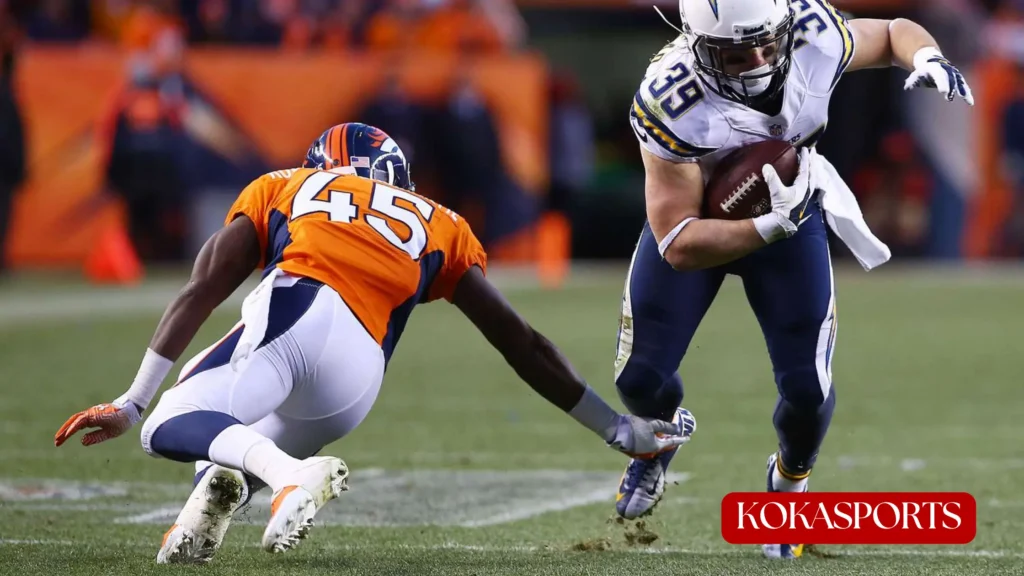
A reception in football happens when an eligible player successfully catches a forward pass from the quarterback and meets all the requirements set by the league rules. The pass is complete when the player gains control of the ball and establishes themselves as having made a legal catch within the field of play.
Not every catch you see counts as a reception. The play differs significantly from other football actions. When a quarterback throws the ball forward and nobody catches it, this becomes an incomplete pass. If a defensive player catches the ball instead of the intended receiver, the play is called an interception. When a player already has the ball and drops it, that’s a fumble, not a dropped reception.
In NFL football, several types of players can record a reception:
- Wide receivers – The primary pass catchers who line up on the outside
- Tight ends – Hybrid players who can block and catch passes
- Running backs – Primarily ball carriers who also catch passes out of the backfield
- Fullbacks – Blocking specialists who occasionally catch short passes
The quarterback cannot catch their own forward pass, and offensive linemen can only make a catch if they report as eligible receivers before the play starts.
Read More: What is a Reception in Football?
Reception Rules in American Football
The rules about how receptions are counted have evolved significantly over the years. In the NFL, every reception must satisfy three main requirements:
First, the player must gain control of the ball. This means the player secures the ball in their hands or arms before it touches the ground. If the ball bounces off a player’s hands, chest, or helmet before they control it, the play doesn’t count as a catch.
Second, the player must get two feet inbounds (or another body part like a knee or elbow if going to the ground). College football only requires one foot, but the NFL demands both feet touch inside the field of play. This makes NFL catches harder to complete near the sidelines.
Third, the player must maintain control of the ball long enough to perform a football move. This could mean taking a step, reaching the ball away from their body, or tucking the ball away for protection. The player must hold onto the ball through the entire process of the catch.
When a Catch Does Not Count
Several situations prevent a catch from becoming an official reception:
- The ball hits the ground before the receiver gains control
- The player steps out of bounds before establishing possession
- The receiver falls and the ball comes loose when hitting the ground
- The player doesn’t maintain possession of the ball through contact with the ground
- The pass was thrown behind the line of scrimmage and goes backwards (making it a lateral, not a forward pass)
The officials watch closely to determine if each catch meets all requirements. When a pass is not caught by the intended receiver or anyone else, the play is called an incomplete pass, and the ball returns to the line of scrimmage for the next down.
The Importance of What Is Considered a Reception in Football
Player statistics in the NFL heavily weight receptions when evaluating performance. Receivers who consistently make catches become more valuable to their teams and command higher salaries. The major reception statistics include:
| Stat Category | What It Measures | Why It Matters |
|---|---|---|
| Total Receptions | Number of successful catches | Shows reliability and involvement |
| Receiving Yards | Total yards gained from catches | Measures big-play ability |
| Yards Per Reception | Average distance per catch | Indicates efficiency and impact |
| Touchdowns | Catches that score points | Direct contribution to winning |
| First Down Receptions | Catches that move the chains | Shows clutch performance |
Targets vs. Receptions represents an important distinction. A target means the quarterback threw the ball toward that player, whether caught or not. A high number of targets with few actual receptions suggests the receiver might be dropping passes or facing tight coverage. Elite receivers typically catch 60-70% of their targets.
For fantasy football players, receptions carry special weight. In PPR (Points Per Reception) leagues, each reception earns a full point, making possession receivers extremely valuable even if they don’t gain many yards. A running back who catches 80 passes becomes a fantasy goldmine in PPR formats.
Reception in NFL: Rules and Regulations You Must Know
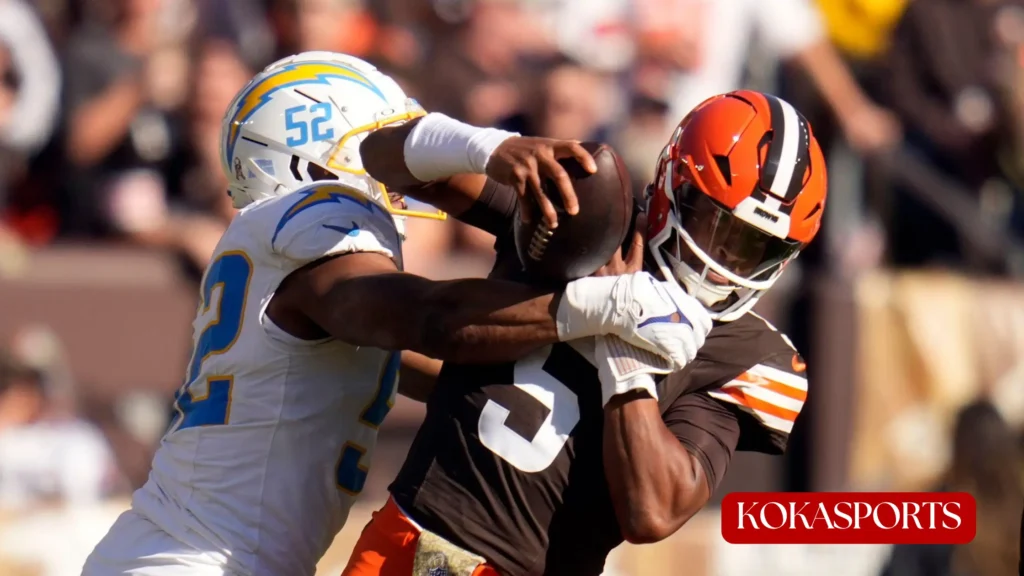
The NFL has spent years refining what constitutes a catch to reduce confusion and improve consistency. The current rules create a clear framework that officials follow on every play.
What Makes a Legal Reception in NFL Football
For a reception in NFL games to stand, the sequence must unfold correctly:
- The receiver must gain secure control of the ball with their hands or arms
- Both feet or another part of his body must touch inbounds
- The player must maintain control throughout the catch process
- If going to the ground, the player must hold onto the ball even when making contact with the ground
The famous “Calvin Johnson rule” previously caused controversy when the Detroit Lions receiver appeared to catch a touchdown but lost control when the ball touches the ground after the catch. The NFL has since clarified that a player who has clearly become a runner before going down doesn’t need to maintain possession through ground contact.
NFL vs College Football Reception Rules
College football uses slightly different standards:
NFL Requirements:
- Two feet inbounds required
- Must become a runner or survive ground contact
- Higher standard for completion
College Requirements:
- Only one foot inbounds needed
- Slightly more lenient on football move requirements
- More catches count as complete
These differences mean some incredible sideline catches in college wouldn’t count in professional football.
Reception and Touchdowns in NFL Football
A reception becomes especially valuable when it results in a touchdown. When a player catches the ball in the endzone, special rules apply. The receiver must gain control of the ball and get both feet or any part of their body down inbounds before the ball is dead.
Historic Reception Touchdowns
Some of the most memorable moments in NFL history came from spectacular reception touchdowns:
Odell Beckham Jr.’s One-Handed Catch – In 2014, Beckham made an incredible one-handed catch in the end zone while falling backwards, demonstrating perfect control of the ball throughout.
David Tyree’s Helmet Catch – During Super Bowl XLII, Tyree pinned the ball against his helmet while being tackled, maintaining control of the ball for a crucial reception that helped the Giants win.
The Immaculate Reception – Franco Harris’s controversial catch in 1972 remains debated, but officials ruled he maintained possession when making the catch near the ground.
Reception vs. Touchdown Catch
Not every reception scores a touchdown. A player can make a catch anywhere on the field and only score if they either catch it in the end zone or run into it after the catch. The goal line acts as the scoring threshold. If a receiver catches the ball at the 5-yard line, they’ve made a reception but must advance five more yards to score a touchdown.
Situations Where a Reception Is Disallowed in NFL
Many attempted catches don’t become official receptions. The officials must determine if the play meets all requirements within the rules.
Incomplete Passes vs Receptions
The difference between these outcomes comes down to specific details:
Incomplete scenarios:
- Player doesn’t secure the ball before it hits the ground
- Receiver steps out of bounds before catching
- Ball touches another body part and bounces away
- Player loses control when taking a step
- Contact with impending contact of an opponent knocks ball loose too soon
Complete scenarios:
- Player secures ball with both hands
- Gets two feet inbounds or other body part
- Maintains possession of the ball through ground contact
- Performs football move like reaching or turning upfield
When a receiver goes to the ground during the act of catching, they must maintain possession long enough to prove they controlled the catch. If the ground and loses control occurs, the pass is incomplete.
The Role of Video Review
Modern NFL games use extensive replay review to confirm receptions. Coaches can challenge whether a pass is caught or if the play is ruled incorrectly. Officials examine footage to see if the player regains control prior to the ball coming out or if they must maintain control throughout.
The review looks for:
- Whether the player secures the ball with their hands
- If touching both feet occurred inbounds
- Whether the receiver maintained the ball long enough to clearly establish possession
- If the player had ball long enough to clearly become a runner
Video evidence must show clear proof to overturn the call on the field.
Key Types of Receptions in Football
Different offensive strategies produce various types of receptions. Each serves specific purposes in moving the ball downfield.
Short Passes (0-10 yards):
- Quick slants across the middle
- Screen passes to running back players
- Flat routes to the sideline
- Designed to gain common to the game yardage reliably
Medium Passes (10-20 yards):
- Out routes toward the sideline
- Crossing routes over the middle
- Comeback routes where receiver turns back
- Often result in first downs
Deep Passes (20+ yards):
- Vertical routes straight downfield
- Post routes toward the middle
- Corner routes toward the back of the end zone
- High-risk, high-reward plays
The offensive formation changes which receivers are primary targets. Spread formations put more receivers out wide, while tight formations keep players closer to the line. A pass thrown to a receiver running a specific route requires precise timing between quarterback and receiver.
Reception Records in the NFL
Throughout NFL history, certain players have accumulated remarkable reception statistics that showcase their talent and longevity.
Career and Season Records
| Record Type | Player | Total | Year/Career |
|---|---|---|---|
| Most Career Receptions | Jerry Rice | 1,549 | 1985-2004 |
| Most Single Season | Michael Thomas | 149 | 2019 |
| Most in One Game | Brandon Marshall | 21 | 2009 |
| Most Consecutive Games with Reception | Larry Fitzgerald | 255 | 2004-2020 |
These numbers demonstrate incredible consistency. Jerry Rice’s career total of 1,549 receptions came with 22,895 receiving yards, showing he didn’t just catch short passes but gained significant yardage too. His ability to extend the ball and fight for extra yards after making catches separated him from other receivers.
Hall of Fame Consideration
For receivers seeking Hall of Fame induction, total receptions matter significantly. Modern receivers need multiple seasons with 100+ receptions to build Hall of Fame credentials. The combination of receptions, yards, and touchdowns creates the complete picture of a receiver’s career impact.
Reception Strategies in American Football
Successful receptions require coordination between multiple players executing their assignments perfectly.
Quarterback and Receiver Coordination
The quarterback and receiver must work in sync:
- Pre-snap reads – Receiver identifies defensive coverage
- Route running – Receiver runs the designed pattern with proper speed and depth
- Timing – Quarterback releases the ball when receiver reaches break point
- Ball placement – Quarterback throws to a spot only receiver can reach
- Adjustment – Both players adjust to defensive pressure
When facing impending contact from defenders, receivers must focus on catching the ball before worrying about the tackle. This “catch first” mentality helps complete tough receptions in traffic.
Defensive Strategies to Prevent Receptions
Defensive players use several techniques to prevent completed passes:
- Press coverage – Jamming receiver at line to disrupt timing
- Zone coverage – Covering areas rather than specific players
- Man coverage – Following one receiver throughout the play
- Bracket coverage – Double-teaming elite receivers
- Playing the ball – Attempting to knock the ball away at catch point
A defender who catches the ball meant for the offense creates an interception, immediately ending the offensive possession.
Reception Statistics and Analytics in NFL Football
Modern football analytics track reception data in sophisticated ways that help teams make better decisions.
Teams now measure:
Catch Rate – Percentage of targets that become receptions. Elite receivers catch 70% or more of targets.
Contested Catch Rate – How often receiver wins when defender is tight in coverage. Physical receivers excel here.
Target Share – What percentage of team’s passes go to this player. Number one receivers often see 25-30% of targets.
Yards After Catch (YAC) – How many yards gained after making the initial catch. Speed receivers excel at YAC.
Red Zone Receptions – Catches inside the 20-yard line. Shows who the quarterback trusts in scoring situations.
Coaches use this data to identify which receivers perform best in specific situations. A receiver who struggles with contested catches might run more routes where they can get separation, while a physical receiver gets more opportunities with tight coverage.
How Reception Stats Improve Team Performance
Analytics help teams optimize their offense:
- Identifying which routes work best against specific coverages
- Determining which receivers create the most yards per reception
- Finding players who excel at moving the chains on third down
- Evaluating which formations create the most open receivers
This data-driven approach helps coaches call plays that maximize their receivers’ strengths while exploiting defensive weaknesses.
Receptions and Fantasy Football
In fantasy football leagues, especially PPR (Points Per Reception) formats, receptions carry significant scoring weight. Each catch might earn one full point, making possession receivers extremely valuable.
High-Reception Players to Target:
- Slot receivers – Players who work the middle of the field with frequent short catches
- Pass-catching running backs – Backs who catch 50-80 passes per season
- Possession tight ends – Reliable targets who move the chains
- Volume receivers – Players who see 140+ targets annually
A receiver who catches 100 passes for 1,000 yards scores more fantasy points in PPR leagues than one who catches 50 passes for 1,200 yards, even though the second player averages more yards per catch.
Conclusion: Why Knowing Reception Rules Matters
Receptions drive modern NFL offenses, turning every successful catch into scoring opportunities and momentum shifts. When you know what makes a legal catch, you’ll appreciate the incredible skill required to make a catch while meeting all the rules regarding completion.
Elite receivers who lead in receptions become their team’s most valuable weapons. Whether you’re watching for entertainment, playing fantasy football, or studying strategy, knowing these rules enhances your experience. Next time you see a receiver extend the ball across the goal line or maintain control of the ball through contact, you’ll recognize the athleticism and precision involved. Football’s reception rules create the framework for some of the sport’s most thrilling moments.
FAQs
What counts as a reception in football?
A reception occurs when an eligible player catches a forward pass and maintains control inbounds.
What qualifies as a reception?
Gaining control of the ball, staying inbounds, and completing a football move qualifies as a reception.
Does a 2-point count as a reception?
Yes, if the 2-point conversion involves a forward pass caught by an eligible receiver, it counts as a reception.
What is considered a reception?
A legal catch of a forward pass by an eligible player that meets NFL rules.