
Football fans watching games often see PBU or PD pop up on stat sheets, but many don’t understand what this important abbreviation means. In the sport of football, understanding defensive statistics helps fans appreciate the game better. This comprehensive guide will explain everything about PBUs, from the basic meaning to advanced strategies that football coaches use to teach defensive players in the modern era.
PBU in Football: Understanding the Abbreviation and Its Meaning
The PBU abbreviation stands for “Pass Break-Up” or “Passes Broken Up” in football. In 2026, you’ll also see this statistic displayed as “PD” (Passes Defensed) on official NFL broadcasts and live TV stat graphics. This acronym represents one of the most important defensive statistics in the NFL and college football. When a defensive back or any defensive player disrupts a pass attempt without making an interception, they get credit for a PBU. The meaning behind this statistic shows how effectively a defender can defend against the pass while staying in coverage.
A pass break-up occurs when a defensive player makes contact with the ball or receiver at the exact moment needed to prevent a completion. Unlike an interception, where the defender catches the ball, a PBU happens when the defender simply disrupts the pass attempt enough to make it incomplete. Football coaches commonly use PBU stats to evaluate how well their defensive backs cover receivers and execute their assignments.
The context of getting a PBU versus going for an interception is crucial for defensive backs to understand. In the high-scoring era of 2026, modern coaching philosophies especially “Fangio-style” defensive schemes emphasize the PBU as a “possession-saver.” When the interception isn’t the safest option, smart defenders will knock the ball away instead of risking a dropped interception that could result in a long touchdown. This technique protects the defense and ensures the pass falls incomplete rather than potentially giving the opposing team another chance.
Read More: What is PBU in Football? 2026 Guide to Stats & Records
What Constitutes Getting a PBU in Football?
To get a PBU in football, a defensive player must physically impact the pass attempt in specific ways. The official criteria include making contact with the ball during flight, disrupting the receiver’s hands while catching, or using legal contact to prevent the catch. These actions must happen during an actual pass attempt not during run plays or when the quarterback throws the ball away under pressure.
Types of plays that result in PBU credit:
- Ball contact: Batting or deflecting the pass at any point during flight
- Receiver disruption: Legal contact that prevents the catch without penalty
- Timing disruption: Perfect coverage that forces an incomplete pass
- Line of scrimmage interference: Defensive ends and linemen tipping passes
The timing of contact is everything when earning a PBU. Defensive backs know that hitting the receiver too early results in pass interference, while contact too late means the receiver might complete the catch. Pro defensive players practice this timing constantly, working to perfect the technique that allows them to break up passes legally.
Common situations that don’t count as PBUs:
| Situation | Why No PBU Credit |
|---|---|
| QB throwaway | No defensive contact |
| Receiver drops | No defender involvement |
| Weather-affected pass | Natural conditions, not defense |
| Penalty on play | Illegal contact negates credit |
Football Positions That Get PBUs: From DB to Pro Players
DB Position and Pass Break-Up Production in Football
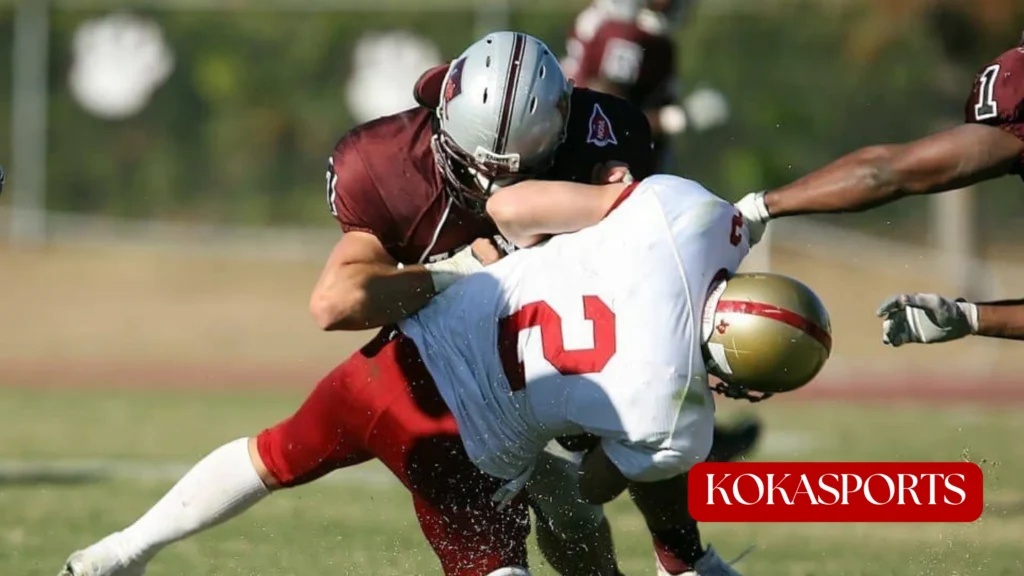
The defensive back position generates the most PBUs in football because they spend the most time in pass coverage. Cornerbacks and safeties make up the secondary, and these players are specifically trained to cover receivers and defend against the pass. Elite cornerbacks in the 17-game era (2025-2026) are now consistently hitting 16-20 PBUs per season, with top-tier performers reaching 18-22 PBUs, showing their ability to stay with receivers and make plays on the ball.
Cornerbacks lead all positions in PBU production because they face the most pass attempts. When a wide receiver runs a route, the cornerback must mirror their movements and be ready to break up any pass thrown their way. The best cornerbacks combine speed, timing, and ball skills to consistently disrupt passes without drawing penalties.
Modern Elite PBU Producers (2025-2026):
- Derek Stingley Jr. (Texans): The 2024 First-Team All-Pro and highest-paid cornerback posted 18 pass deflections in 2024 and has accumulated 12 interceptions over the past two seasons, becoming the gold standard for modern shutdown coverage.
- Sauce Gardner (Colts): Despite being traded from the Jets to Indianapolis in November 2025, Gardner remains a dominant force with 40 pass deflections over three seasons and a league-leading 91.9 PFF coverage grade since 2022. His two First-Team All-Pro selections demonstrate his elite PBU excellence.
- Trent McDuffie (Chiefs): The versatile defensive back recorded 11 pass deflections and 2 interceptions on 90 targets in 2024, earning second-team All-Pro honors and showcasing the modern cornerback’s ability to defend multiple receiver types.
Safeties and cornerbacks work together in the secondary to defend different areas of the field. Free safeties often get PBUs on deep passes, while strong safeties earn them in run support situations when receivers try to catch short passes. Both positions require excellent field awareness and the ability to read where the quarterback throws the pass.
Linebacker Position PBU Statistics in Football
Linebackers typically record fewer PBUs than defensive backs, but their pass break-ups have become increasingly valuable in 2025-2026 as offenses shift back toward heavier sets with two tight ends. Middle linebackers might get 4-6 PBUs per season, usually on passes thrown over the middle or during blitz situations. These PBUs are particularly crucial as linebackers now defend 250-pound-plus tight ends in the middle of the field more frequently than in previous eras.
Outside linebackers can earn PBUs while rushing the quarterback, especially when they get their hands up at the line of scrimmage to block or tip passes. The linebacker position requires different skills for earning PBUs compared to the secondary. These players must transition quickly from run defense to pass coverage, often covering tight ends or running backs on short routes. When linebackers execute the drill properly, they can surprise quarterbacks and receivers with their coverage ability.
Defensive Line Position PBU Opportunities in Football
Defensive ends and interior linemen get PBUs differently than coverage players. These defensive players earn pass break-ups by getting their hands up during pass rush attempts, tipping passes at the line of scrimmage before they reach receivers. While linemen might only get 1-3 PBUs per season, these plays can be game-changing moments that disrupt the offense’s rhythm.
Interior linemen face unique challenges when trying to earn PBUs. They must rush the quarterback while staying aware of potential screen passes or quick throws. When defensive tackles time their jump perfectly, they can knock down passes and earn PBU credit while still pressuring the quarterback.
What a PBU Means in Football Context by Position
PBU vs Completed Pass Analysis in Football
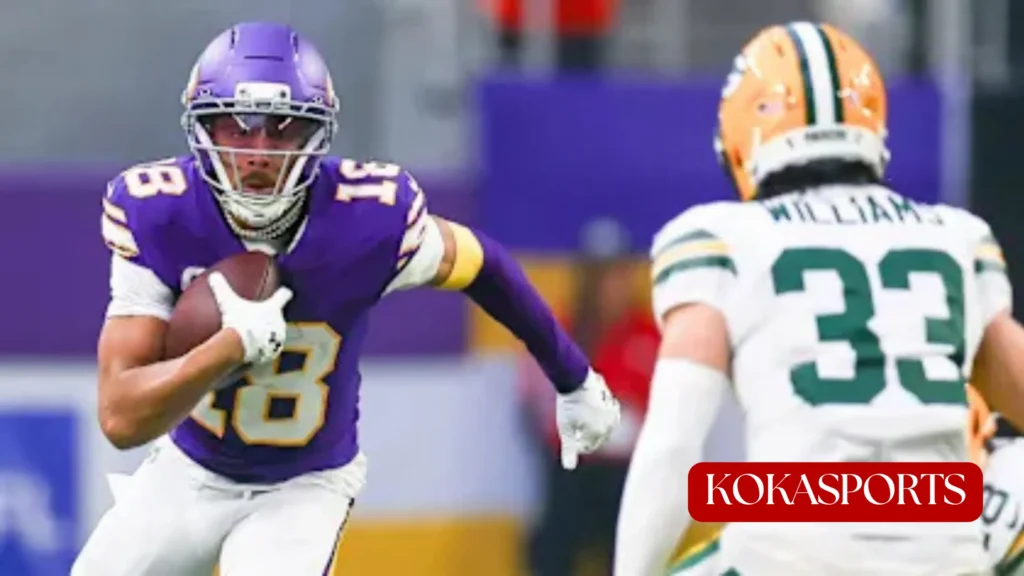
Every PBU represents a successful defensive play that prevented the offense from advancing the ball. When analyzing PBU statistics, coaches look at success rates in different situations. Red zone PBUs are especially valuable because they prevent touchdowns, while third-down pass break-ups often force punts and give the ball back to their team’s offense.
The impact of pass break-ups extends beyond just stopping one play. When defensive players consistently earn PBUs, they force quarterbacks to throw with less confidence and make receivers hesitant about catching passes in traffic. This psychological effect can influence an entire game, making the offense less aggressive in their pass attempts.
Situational PBU Value:
| Down & Distance | PBU Impact | Game Effect |
|---|---|---|
| Third & Long | Forces punt | Field position gain |
| Red Zone | Prevents TD | Limits to field goal |
| Two-minute drill | Stops clock | Protects lead |
| Fourth down | Turnover on downs | Possession change |
Strategic Value of PBUs in Pro Football by Position
Professional teams track PBU stats to understand how well their defense performs against different types of pass attempts. When a defensive player accumulates high PBU numbers, it often indicates they’re getting targeted frequently but making good plays on the ball. This statistic helps coaches evaluate whether players are in good position and making the right decisions in coverage.
The ability to earn PBUs instead of allowing completions can determine game outcomes. In close games, one or two key pass break-ups might be the difference between winning and losing. Pro football teams study opponent tendencies to put their best PBU producers in positions where they can make the most impact.
How Pro Football Coaches Track PBU Stats by Player Position

Advanced PBU Metrics for Football Players by Position
Modern football analytics in 2026 go far beyond simple PBU counts to measure effectiveness. Coaches now track PBU rate per coverage snap, which shows how often a player breaks up passes relative to how many times they’re involved in coverage. Elite defensive backs might have PBU rates of 8-12%, meaning they break up roughly one out of every 10 passes thrown their way.
Key PBU metrics coaches monitor in 2026:
- PBU-to-Target Ratio: The proportion of targets that result in pass break-ups, now prioritized over raw PBU counts
- PBU per game average: Consistency metric across the 17-game season
- Target rate vs. PBU rate: Determines if high targets indicate weakness or opportunity
- Completion percentage allowed: Overall effectiveness in coverage
- PBU in key situations: Third downs, red zone, two-minute drill performance
Next Gen Stats Technology (2026):
The NFL now uses RFID chips embedded in footballs and shoulder pads to track unprecedented detail about pass defense. Key innovations include:
- Closing Speed on PBUs: Measures how fast (in mph) a defender closes the gap to break up a pass
- Coverage Responsibility Models: AWS-powered machine learning identifies frame-by-frame which defender was matched to which receiver
- Separation at Break-Up: Tracks the distance between defender and receiver when the PBU occurs
- Ball Flight Tracking: Analyzes the trajectory and velocity of passes that get broken up
Teams also analyze the quality of PBUs, not just quantity. A PBU on a third-and-long situation is more valuable than one on first down. Smart coaches teach their players to recognize these crucial moments and prioritize making plays when it matters most.
2026 Elite PBU Performance Tiers
| Tier | PBU Count (17-Game Season) | Defensive Impact |
|---|---|---|
| Elite (All-Pro Level) | 18-22 | Shutdown one side of the field |
| High-End Starter | 13-17 | Disruptive, highly targeted but successful |
| Solid Contributor | 8-12 | Reliable situational defender |
| Rotational Player | 4-7 | Depth coverage specialist |
Training for Better PBU Performance by Football Position
Physical Development for Pass Break-Ups by Position
Developing PBU skills requires specific physical training that varies by position. Defensive backs need exceptional hand-eye coordination to time their contact with the ball perfectly. They practice drills that improve their ability to locate the ball while running at full speed, often using tennis balls or reaction-based exercises.
Essential PBU training components:
- Ball tracking drills: Following passes while in coverage
- Hand placement exercises: Learning legal contact techniques
- Timing repetitions: Practicing when to make contact
- Film study sessions: Understanding receiver tendencies
- VR simulation training: The cutting-edge 2026 method
Virtual Reality Training Revolution (2026):
Pro players in 2026 now use Virtual Reality (VR) headsets to simulate PBU timing drills without the physical wear and tear of a full practice. This technology allows defenders to:
- Practice seeing a quarterback’s “tells” and pre-snap reads
- Execute the break-up technique 100 times in a single morning session
- Experience game-speed repetitions without injury risk
- Train against virtual recreations of upcoming opponents’ receivers
- Build muscle memory for ball location and timing
Linebackers and defensive linemen need different training approaches for earning PBUs. Linebackers work on transitioning from run fits to pass coverage, while linemen practice getting their hands up during pass rush moves. Each position requires specific techniques to maximize PBU opportunities.
Mental Skills for PBU Excellence by Football Position
The mental aspect of earning PBUs is just as important as physical skills. Defensive players must read the quarterback’s eyes, understand route concepts, and anticipate where passes will go. Film study helps players recognize patterns and situations where PBU opportunities are most likely to occur.
Experienced defensive backs learn to recognize when going for an interception is too risky and when breaking up the pass is the safer option. This decision-making ability separates good players from great ones. The best defenders prioritize team success over personal statistics, choosing to knock down passes when it’s the right play for the situation a philosophy that has become even more emphasized in the high-scoring environment of 2026.
Common PBU Misconceptions in Pro Football by Position
Many fans assume that high PBU numbers always indicate great defense, but the context matters significantly. A player with many PBUs might be getting targeted frequently because offenses view them as a weak spot. Conversely, elite corners sometimes have lower PBU numbers because quarterbacks avoid throwing in their direction entirely.
Another common misconception involves the relationship between PBUs and interceptions. Some fans think players should always try to intercept passes, but smart defensive players know when to secure the pass break-up instead. In the end zone or on fourth down, knocking the ball away is often smarter than risking a dropped interception that could result in a big play for the offense.
Conclusion
Understanding PBU in football helps fans appreciate the nuanced defensive play that happens on every snap. From cornerbacks like Derek Stingley Jr. and Sauce Gardner making elite-level plays in tight coverage to defensive ends tipping passes at the line of scrimmage, every position contributes to pass break-up success in different ways. The meaning behind PBU statistics in 2026 goes far beyond simple numbers with advanced tracking technology like Next Gen Stats and innovative training methods like VR simulation, these plays represent crucial moments where defensive players execute their technique perfectly to stop the offense.
Whether you’re watching your favorite team’s defensive back make a game-saving pass break-up or analyzing stats in your fantasy football league, knowing what PBUs (or PDs, as they appear on modern broadcasts) represent adds depth to your football knowledge. This defensive statistic captures some of the most exciting and skillful plays in the sport, showcasing the ongoing battle between offense and defense that makes football such a compelling gridiron glossary entry for fans worldwide.
FAQs
What does PBU mean in football?
PBU stands for “Pass Break-Up” – when a defensive player disrupts a pass attempt without intercepting it, making the pass incomplete.
What counts as a PBU?
A PBU is credited when a defender makes contact with the ball during flight, legally disrupts the receiver’s catch attempt, or forces an incompletion through tight coverage.
What’s the hardest position in football?
Quarterback is widely considered the hardest position due to the mental demands, leadership responsibilities, split-second decision-making, and pressure to perform.
What is PBK in football?
PBK typically stands for “Pass Block” – when an offensive player successfully blocks a defender during a passing play to protect the quarterback.