

The Hail Mary play is one of the most exciting moments in American football. When a quarterback throws the ball deep into the end zone with seconds left on the clock, fans hold their breath. This desperation pass gives teams a small chance to win the game when all other options are gone. The Hail Mary in football has become more than just a play it’s a cultural moment that defines the sport’s drama.
The NFL has seen countless memorable Hail Mary moments throughout football history. These exciting plays create instant legends. Fans, players, and NFL Films celebrate these rare moments because they capture pure competition: hope against impossible odds. The Hail Mary pass reminds everyone that no game truly ends until the final whistle blows.
What Is a Hail Mary Play in Football?
A Hail Mary pass is a long forward pass thrown toward the end zone, usually during the final play of a half or game. The quarterback launches the ball as far as possible, hoping one of several receivers can catch it among defenders. This pass play gets its name because the outcome depends more on luck and prayer than skill.
Teams attempt a Hail Mary when trailing by a touchdown or less with time expiring. Rather than accepting defeat, the offense sends all receivers downfield while the quarterback heaves the ball toward the end zone. The chaos that follows creates football’s most dramatic moments.
Key situations for Hail Mary attempts:
- Final seconds of a half or game
- Team trailing by 4-8 points
- Ball positioned between the 40-yard lines
- No time for multiple plays
- All timeouts exhausted
The success rate for Hail Marys remains extremely low only 2-5% result in completions. However, the potential reward justifies the risk. A successful Hail Mary can produce a game-winning touchdown and create memories that last forever.
How a Hail Mary Pass Works on the Field
The quarterback needs exceptional arm strength to throw the ball 50-70 yards downfield. The ball travels in a high arc, giving defenders time to position themselves but also creating opportunities for tips and deflections.
Receiver positioning matters tremendously. Teams typically send 4-6 pass catchers into the end zone, creating a crowded area where anyone might catch the ball. Taller receivers and tight end players often get priority because jump-ball situations favor height. The offense hopes that even if defenders knock the ball away, it might bounce to a teammate.
The Origin and History of the Hail Mary Play

Desperation passes existed long before anyone called them Hail Marys. Early pro football featured similar plays, though they had various names like “alley-oop” or “desperation play” before the current term took hold.
The phrase “Hail Mary” comes from Catholic tradition. The Hail Mary prayer asks for divine intervention, which perfectly describes what players hope for during these unlikely throws. The religious connection made the name memorable and meaningful.
The history of the Hail Mary shows how one moment can define terminology for an entire sport. The 1975 playoff game between the Dallas Cowboys and the Minnesota Vikings created the defining moment. With time expiring, Cowboys quarterback Roger Staubach threw a 50-yard pass toward wide receiver Drew Pearson. The ball found Pearson in the end zone for a game-winning touchdown pass to wide receiver that shocked the Minnesota Vikings.
After the game between the Dallas Cowboys and Vikings, quarterback Roger Staubach told reporters he closed his eyes and said a Hail Mary prayer before throwing. This quote gave the play its famous name. Roger Staubach threw a 50-yard bomb that would be replayed thousands of times, turning receiver Drew Pearson into a Cowboys hero forever.
The History of the Hail Mary and Its Connection to Catholic School Football
Catholic school football programs contributed significantly to how the term became widespread. Schools like Notre Dame and Boston College featured players who naturally referenced the Hail Mary prayer when discussing last-second plays. The Fighting Irish and other programs at Catholic universities created environments where religious language mixed with sports terminology.
Notre Dame holds a special place in this history. The legendary Four Horsemen backfield (including Jim Crowley) and subsequent famous teams made the university synonymous with dramatic football moments. When Notre Dame players said a Hail Mary before attempting long passes, it reinforced the connection between prayer and desperate plays.
The phrase resonated because it captured both the religious faith common in football culture and the genuine hope required for such low-percentage plays. This cultural moment helped transform a prayer reference into permanent football vocabulary.
Read More: What Does Redshirt Mean in College Sports? A Complete NCAA Eligibility Guide
The Evolution of the Hail Mary Pass in the NFL
The NFL has witnessed significant changes in how teams approach Hail Mary situations. Early attempts lacked sophistication quarterbacks simply threw the ball as far as possible. Modern NFL teams now prepare specifically for these scenarios during practice, designing plays that maximize receiver positioning.
Rule changes have significantly impacted Hail Mary success rates. Modifications to pass interference regulations, contact rules, and end zone procedures all affect how these plays unfold.
How NFL Rules Impact the Hail Mary in Football
Defensive pass interference rules create complications during Hail Mary attempts. The NFL generally allows more physical contact on these plays, recognizing that some incidental contact becomes unavoidable. However, obvious fouls still draw flags.
End zone crowding presents unique challenges. When 8-12 players occupy a small area, defensive back players often face accusations of interference even when making legitimate plays. Player safety considerations and lineman protection rules have also affected Hail Mary execution in recent years.
Famous Hail Mary Plays in NFL History
The 1975 playoff game between the Dallas Cowboys and the Minnesota Vikings remains the most famous. Dallas Cowboys quarterback Roger Staubach connected with pass to wide receiver Drew Pearson for the game-winning touchdown pass. This NFL playoff game popularized the name of the play.
Other legendary Hail Mary moments:
| Year | Teams | Quarterback | Result |
|---|---|---|---|
| 1984 | Boston College vs Georgia Tech | Doug Flutie | First touchdown on last play of football game |
| 2015 | Green Bay Packers vs Detroit Lions | Aaron Rodgers | Untimed down touchdown |
| 1980 | Notre Dame vs Michigan | Noble Kizer | 50-yard game-winning score |
The Boston College versus Georgia Tech game featured Doug Flutie throwing one of college football‘s most famous Hail Mary passes. Flutie, a devout Catholic, naturally connected with the name of the play and its religious significance. He threw a 50-yard pass at the end of the first half for a touchdown pass that became legendary.
NFL Films and the Legacy of the Hail Mary Play
NFL Films transformed memorable Hail Mary moments into permanent cultural artifacts. Their cinematography style featuring dramatic music, slow-motion replays, and poetic narration elevated these plays beyond simple sports highlights. The “Hail Mary pass has become one of their signature subjects.
The production quality helped audiences appreciate the complexity and beauty of Hail Mary attempts. Slow-motion footage reveals how the ball travels through the air and how chaos erupts when it arrives. These preserved moments remain popular decades later because they represent pure drama.
Why the Hail Mary Play Is One of Football’s Most Exciting Plays
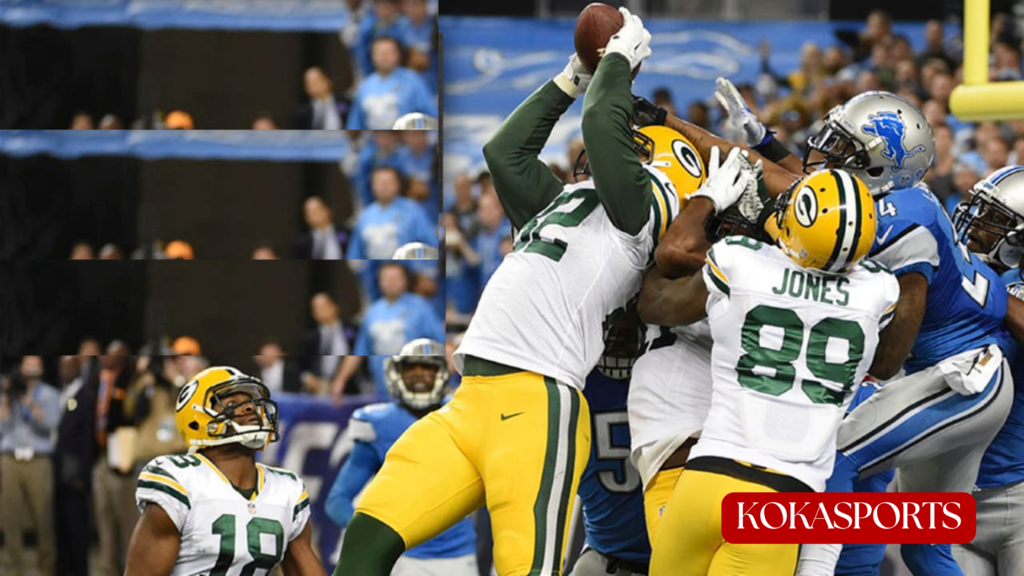
The emotional intensity of Hail Mary situations creates unmatched drama. Stadium atmosphere becomes electric. Home fans plead for divine intervention while visitors brace for heartbreak. When the ball lands whether caught, dropped, or batted away the resulting explosion of emotion rarely happens outside sports.
These plays define unforgettable games because they demonstrate football’s fundamental unpredictability. A team can dominate for 59 minutes and still lose on one Hail Mary. This possibility keeps fans engaged until the absolute final moment.
The Psychology Behind Exciting Plays Like the Hail Mary
Hope versus probability creates the psychological tension that makes Hail Marys compelling. Everyone watching knows the odds strongly favor the defense, yet genuine possibility exists. Fans love high-risk moments because they reveal character and create lasting memories. The Hail Mary represents pure competition one team refusing to surrender, another determined to finish strong.
Offensive Strategy Behind a Hail Mary Pass
Designing a Hail Mary play involves specific strategies. Teams position receivers at different depths to create the best catching opportunities. Common formations include empty backfields to maximize receiver numbers downfield. Teams might use three, four, or five wide receivers, plus a tight end, creating six potential targets.
Quarterback Skills Needed for a Successful Hail Mary Pass
The quarterback needs exceptional arm strength to reach the end zone from 50+ yards away. Decision-making under pressure also matters knowing when to scramble for extra yards versus throwing immediately. Experience helps quarterbacks remain calm during these high-pressure moments.
Defensive Strategy Against a Hail Mary in Football
Defenses prepare specifically for Hail Mary situations. The primary goal is preventing anyone from catching the ball cleanly. Defenses typically use “prevent” formations with extra defensive back players in deep coverage. Coaches emphasize batting the ball down rather than intercepting it.
Why Defending a Hail Mary Pass Is Still Difficult
Despite defensive preparation, Hail Mary plays remain difficult to stop. Ball deflections and tips create unpredictable bounces. Receiver height and leaping ability give offenses advantages in jump-ball situations. The chaos in the end zone means even perfect defensive positioning can’t guarantee success.
Hail Mary Plays Beyond the NFL
College football features frequent Hail Mary attempts, often with dramatic results. High school and youth football programs also practice these plays. The forward pass made possible by evolving rules has allowed players at all levels to attempt these thrilling moments.
Common Misconceptions About the Hail Mary Play
Not every long pass in football qualifies as a Hail Mary. The term specifically refers to desperation throws, usually on the game’s final play. Strategic deep passes during regular play have different names. Additionally, Hail Mary attempts aren’t completely random teams practice these scenarios and develop specific strategies.
Conclusion
The Hail Mary play in football represents hope, drama, and unpredictability. From the famous playoff game featuring Roger Staubach and Drew Pearson to modern moments with Aaron Rodgers and others, these plays create unforgettable memories. The Hail Mary pass remains one of the most exciting plays in sports, reminding fans that anything can happen until the final whistle.
FAQs
What does Hail Mary play in football?
A Hail Mary is a long, desperate pass thrown toward the end zone on the last play of a game. The quarterback throws as far as possible, hoping a receiver catches it for a touchdown.
What is meant by Hail Mary play?
A Hail Mary is a low-probability pass attempt when time is running out. It means throwing the ball deep into a crowded end zone and hoping for a miracle catch.
Why do people say “hail mary” in football?
Roger Staubach coined the term after his 1975 playoff game-winning pass. He told reporters he “closed his eyes and said a Hail Mary” prayer before throwing. The name stuck.
Is the Hail Mary pass a high risk play?
Yes, extremely high-risk. It succeeds only 2-5% of the time. However, teams use it when losing with no time left—a small chance is better than certain defeat