

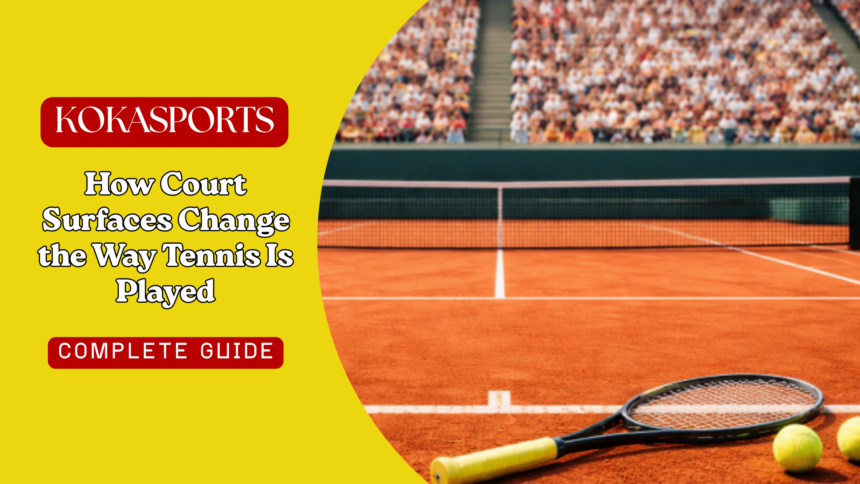
If you watch tennis across more than one tournament, the game starts to feel inconsistent in a good way. Players who looked dominant a few weeks ago suddenly seem rushed. Rallies that once dragged on for ten or fifteen shots turn into three-ball exchanges. It can look like form swings, but very often the real change is simpler than that. The court itself has shifted.
Surface is one of those quiet influences that most fans know about but do not always factor in when judging performances. It decides how much time players have on the ball, how they move, and which habits hold up under pressure. Change the surface, and the same matchup can turn into a different story.
Hard Courts Reward All-Round Players
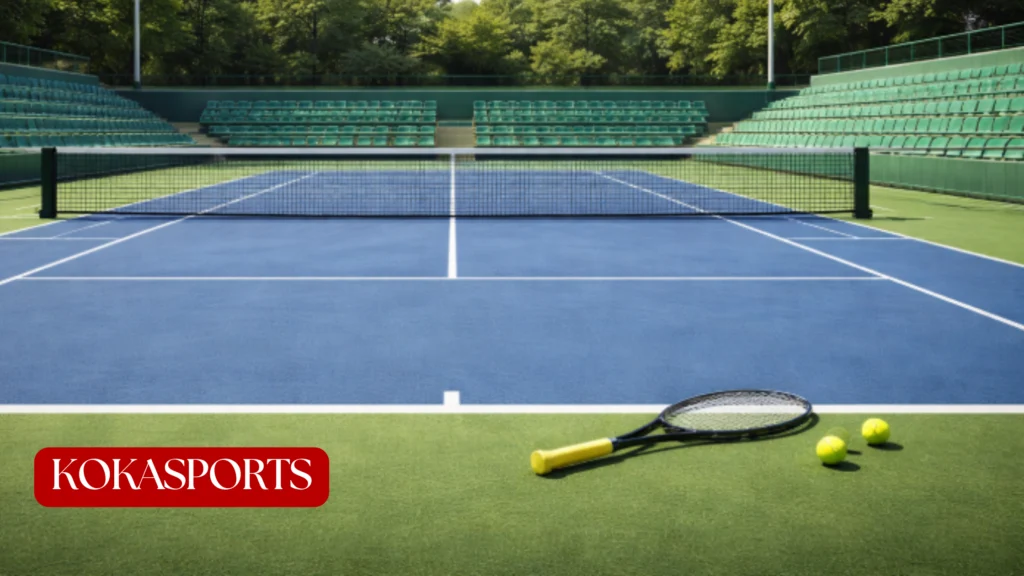
Hard courts are the default setting for modern tennis. Most events use some variation of them, which is why many players grow up feeling comfortable on this surface. The bounce is fairly honest. The ball does not jump awkwardly or die suddenly. It comes through at a speed that feels “normal” once you have watched enough matches.
Because of that, hard courts expose gaps in a player’s game more clearly than people expect. You cannot hide behind extreme spin or rely only on a big serve. You need enough of everything. Players who return well, move cleanly, and handle longer rallies tend to look solid here, even if they are not flashy.
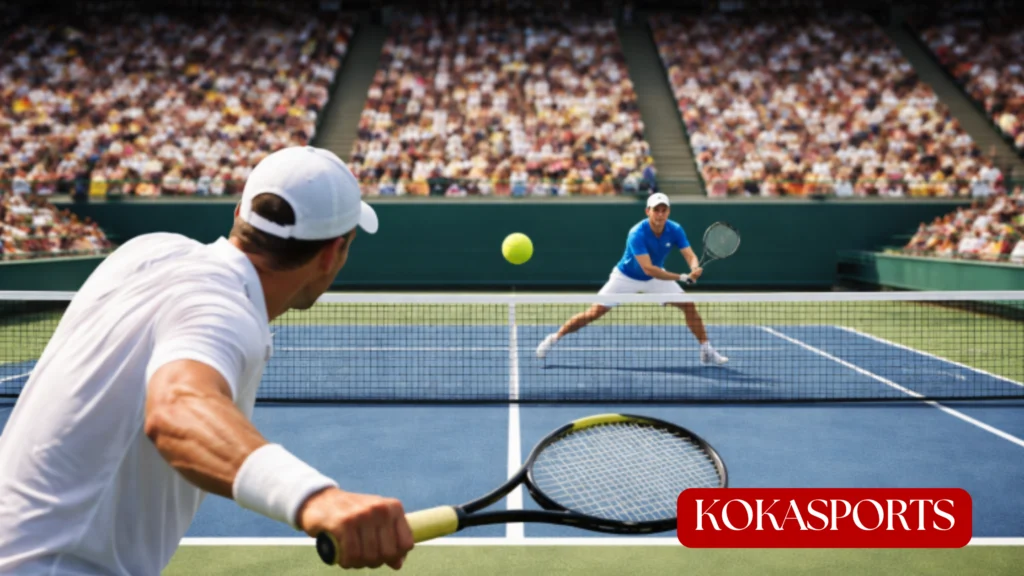
There is also a grind on hard courts that does not show up on TV. The surface is tough on legs and backs. Over a long week, matches start to take a toll. You sometimes see players winning points the same way they always do, yet moving just a half-step slower by the third set. That slow fade is part of why fitness plays such a big role on these courts.
Different hard courts also play differently. Some feel quick and reward early hitting. Others slow the ball down and stretch rallies. Fans who follow the tour closely start to notice that certain venues produce the same kind of matches every year. It is not a coincidence. The surface preparation matters.
Read Also: What is the Pocket in Football?
Clay Courts Change How Points Are Won
Clay courts force patience on players who would rather avoid it. The ball slows down, sits up, and gives opponents time to chase it down. Shots that would be clean winners on other surfaces often come back. This changes how players think during points.
Movement on clay looks relaxed when done well, but it takes practice. Sliding into position is not natural for everyone. Players who are new to it often hesitate, which leaves them a fraction late on contact. That small delay adds up over a match. The surface rewards those who trust their footwork.
There is also a mental tax. Clay does not offer many shortcuts. You build points through repetition. When players get impatient, the errors pile up. You can almost feel the frustration when someone tries to force a winner from a poor position. Clay has a way of exposing that impatience.
Because breaks of serve happen more often, leads feel temporary. A two-game cushion does not mean much. Matches swing back and forth. This can be tiring to watch and exhausting to play. The players who thrive here are usually the ones who accept that rhythm rather than fighting it.
Grass Courts Shrink the Margins
Grass courts make everything happen faster. The ball stays low. The space between contact and reaction shrinks. Points end quickly, sometimes before rallies have time to settle into any pattern.
Serving becomes more about placement than raw pace. A serve that lands awkwardly on grass can skid just enough to draw a weak return. The same serve on clay might come back comfortably. This is why some players look sharper on grass without changing much in their technique. The surface does part of the work.
Baseline rallies also feel different. Players who like high, looping shots lose some of their natural advantage. The ball does not bounce up into their strike zone. Those who step inside the baseline and take the ball early tend to look more comfortable. This changes how matches flow.
Fans who track surface trends often notice the same names doing well at the same events year after year. Some look at match data, tournament histories, and even tennis betting platforms to see how expectations shift with conditions. The tools vary, but the pattern is familiar. Grass favors certain habits, and those habits show up again and again.
How Players Adapt Between Surfaces
Switching surfaces is not just about showing up and playing. Training changes in small but important ways. Before clay events, players spend more time on stamina and point construction. Before grass, they focus on the first steps and net approaches. The adjustments are subtle, but they shape how comfortable players look early in tournaments.
Equipment also shifts. Shoes are obvious, but string tension changes, too. Some players loosen strings to get more control on slower courts. On faster surfaces, they tighten things slightly to keep the ball in play. These choices affect them more than they realize.
The hardest part is mental. A poor run on one surface can mess with confidence if players forget why it is happening. Fans fall into the same trap. A loss on clay does not carry the same meaning as a loss on a hard court for every player. Context matters.
Why Surfaces Change the Way Matches Feel
Once you start watching tennis with the surface in mind, results stop feeling random. A long, physical match on clay tells a different story than a short grass-court contest, even if the scoreline looks similar. The effort required is not the same.
Rivalries also make more sense. Some players seem to have another’s number at certain events. Then the matchup flips when the tour moves to a different surface. It is not about mood or momentum as much as fit. Styles clash differently depending on the ground beneath them.
Surface awareness adds depth to watching the sport. You stop expecting the same match every week. Each tournament has its own logic. The court is not just where tennis happens. It quietly shapes how the sport is played.
Conclusion
Court surfaces play a silent but powerful role in tennis. Hard courts test all-around skills and endurance, clay demands patience and precise footwork, and grass rewards quick reactions and strategic serving. Understanding these differences helps fans appreciate why the same players can look very different across tournaments, and why match outcomes are shaped as much by the surface as by skill or form.
FAQs
How do different tennis court surfaces affect players?
Hard courts reward balanced skills and stamina, clay slows play and favors patience, and grass accelerates points, favoring quick reactions and precise serves.
Why do some players perform better on certain surfaces?
Players’ techniques, footwork, and strategies interact differently with each surface, making them naturally stronger on courts that suit their style.
Does surface change the outcome of matches?
Yes. The same matchup can produce different results depending on whether it’s played on hard, clay, or grass due to differences in speed, bounce, and movement demands.