
NFL betting lines are far more than simple reflections of win-loss records. Each week,
oddsmakers analyze team strength, player performance, and situational factors to set
opening spreads and totals that reflect projected game outcomes. These projections form the
foundation of the weekly NFL odds slate, providing a structured starting point for bettors and
analysts alike.
As the week progresses, numerous factors can shift these initial lines. Injuries, public betting
patterns, travel schedules, and even weather conditions can all move spreads and totals
before kickoff. Understanding how matchups interact with these variables helps explain why
lines fluctuate and why some games attract heavy attention from both casual fans and
professional bettors.
Team Strength and Power Ratings Drive Opening Lines
Oddsmakers establish opening lines using internal power ratings that reflect team
performance, roster depth, and recent form. These ratings help sportsbooks predict how two
teams would perform on a neutral field. A team that consistently wins efficiently on both
offense and defense sees its ranking adjusted upward by bookmakers. That adjustment
results in tighter spreads or shorter odds that signal growing confidence in that team’s
reliability.
For example, oddsmakers opened Week 1 of the 2024 season with the Kansas City Chiefs as 3-
point favorites over the Baltimore Ravens. This number is driven by power ratings that placed
Kansas City near the top of the weekly slate for NFL odds due to its offensive stability and
postseason track record. By game’s end, those projections held firm as the Chiefs secured a
27–20 victory, surviving a late overturned touchdown that preserved their opening-line edge.
Injuries, Especially to QBs, Shift Odds Dramatically
Injury reports significantly influence weekly odds because the availability of top players
shapes a team’s expected output. Quarterbacks hold the greatest impact since they control
tempo, play design, and scoring capability. When a starting quarterback is ruled out or
limited, sportsbooks typically widen the spread or raise the underdog price. Bettors respond
instantly, often flooding lines early to capture value before changes stabilize.
A major line shift unfolded in Week 2 of the 2025 season on September 14, when Cincinnati
Bengals quarterback Joe Burrow suffered a turf-toe injury that forced him from the game.
Following the injury announcement, the Bengals’ Super Bowl odds dropped significantly,
falling from +2500 to as long as +5000 at some sportsbooks. This is the second time Burrow’s
health has affected betting markets, the first being Week 11 of 2023 when he missed a key
AFC game against the Ravens.
Read More: What Is 7 on 7 Football? Complete Guide to 7v7 Rules, Leagues & Benefits
Matchup Specific Strengths and Weaknesses Alter Lines
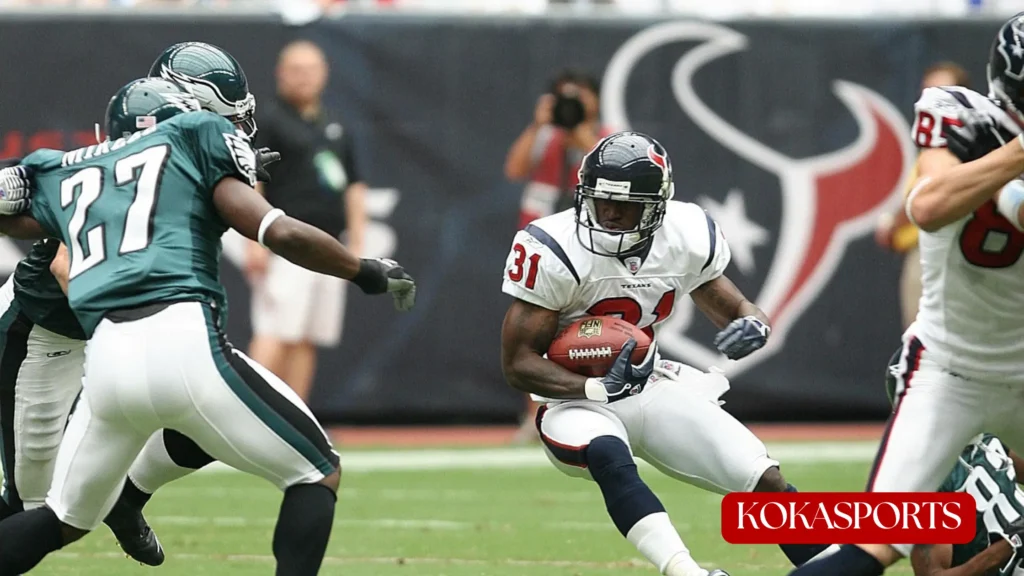
Weekly odds also hinge on how individual units compare, creating situations in which stylistic
differences matter more than record. A powerful rushing attack facing a defense ranked near
the bottom in run stops often receives favorable odds regardless of overall standings.
Sportsbooks evaluate schematic clashes to anticipate which team gains the upper hand.
These assessments form the basis for spreads that reflect tactical realities rather than simple
win-loss numbers.
Such a tactical effect occurred in Week 14 of the 2024 season, when the Buffalo Bills, at 10–3,
prepared to face the Los Angeles Rams, at 5–8. Buffalo’s strong rushing attack and efficient
offensive line matched up perfectly against a Rams defense that ranked near the bottom in
stopping the run. Because of that imbalance, sportsbooks reportedly trimmed the spread and
adjusted the total to reflect a ground‑heavy game favoring Buffalo.
Public Betting Patterns Move Lines During the Week
Public sentiment influences odds as sportsbooks aim to balance the action on both sides of a
game. High-profile teams with strong national followings attract heavier betting volume
regardless of statistical outlook. Money flowing disproportionately toward one side prompts
bookmakers to adjust the spread to encourage more even wagering. These shifts reflect
financial strategy rather than football assessment, creating opportunities for sharp bettors to
capitalize.
A noticeable line shift occurred in Week 4 of the 2025 NFL season, when the Seattle Seahawks
faced the Arizona Cardinals. The spread opened with Seattle as a slight underdog at +2 but
moved to a 1-point favorite before kickoff. The adjustment reflected heavy betting activity on
Seattle, likely influenced by public wagering patterns, and demonstrated how sportsbooks
respond quickly to betting flow. Analysts noted that such midweek line movement can create
opportunities for sharp bettors.
Situational Factors Impact How Odds Evolve
Besides talent and tactics, situational elements help define how oddsmakers frame each
matchup. Travel schedules, short rest, and cross-country flights often reduce team efficiency.
Games played after Monday night appearances or during international trips frequently
feature adjusted lines that reflect potential fatigue. Bookmakers weigh these factors to
anticipate performance dips and set odds that capture the broader context surrounding each
contest.
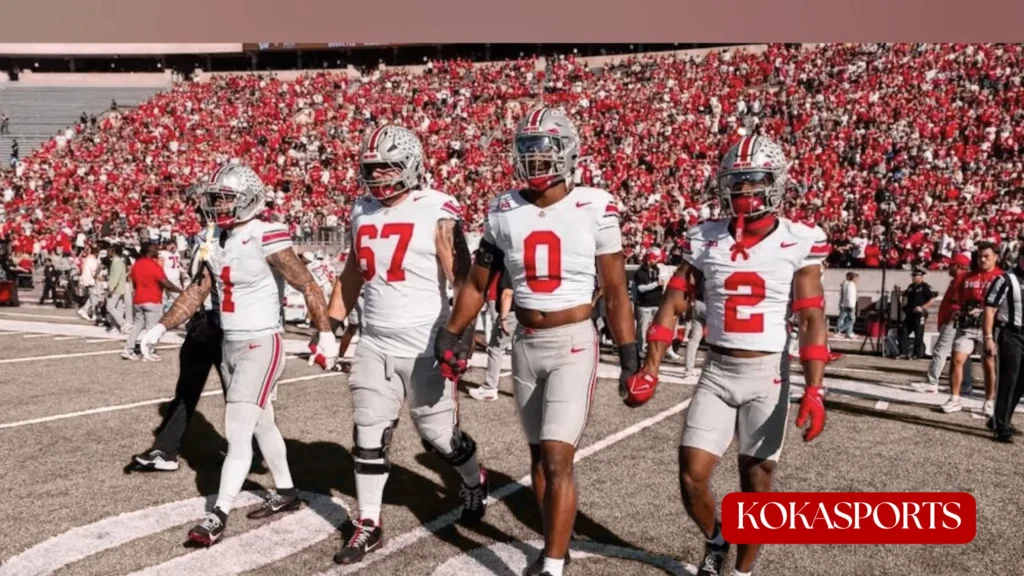
One report even showed that travel strain emerged as a major factor in the 2025 season for
the Big Ten after conference expansion introduced coast‑to‑coast matchups. Several teams
now face flights of over 1,800–2,400 miles and time‑zone jumps of 3–4 hours for certain road
games. As a result, analysts have flagged the added fatigue, suggesting it could affect on‑field
performance, and potentially shift betting lines or totals when sportsbooks factor in the extra
wear and tear.
Matchups Direct the Market
In essence, NFL matchups are the primary force shaping spreads, totals, and betting behavior
each week. Team strength, quarterback availability, tactical advantages, and situational
factors like travel or rest influence opening lines. Meanwhile, public betting patterns and
injuries further adjust the odds as the week progresses. By monitoring these factors together,
bettors can make more informed decisions rather than relying solely on team records or
reputation. Ultimately, staying flexible and responsive to weekly developments is key to
navigating the dynamic NFL betting market.
Conclusion
NFL betting odds are shaped by far more than team records. Matchups, injuries, tactical strengths, travel demands, and public betting behavior all influence how lines are set and adjusted throughout the week. By understanding these factors, readers can better see why odds change and how sportsbooks respond to the evolving context of each game.
FAQs
What are NFL betting odds?
NFL betting odds are numbers set by sportsbooks to show which team is favored, how likely each outcome is, and the potential payout for a wager.
How do sportsbooks set opening odds for NFL games?
Opening odds are based on power ratings, team performance, roster strength, and recent form to predict how two teams would perform against each other.
Why do NFL betting odds change during the week?
Odds move due to injuries, weather updates, public betting activity, travel schedules, and late-breaking team news before kickoff.
How do matchups affect NFL betting odds?
Specific strengths and weaknesses such as a strong rushing offense facing a weak run defense can influence spreads and totals more than overall records.
Does public betting influence NFL odds?
Yes. Heavy betting on popular teams can cause sportsbooks to adjust odds to balance wagering action, even if team performance metrics stay the same.