


How much do USFL players make is the first question any serious spring football fan or aspiring pro athlete asks before the season kicks off. USFL players on the active roster earn approximately $4,500 to $5,500 per week during the regular season. With the season running 10 weeks, that translates to roughly $45,000 to $55,000 per season for active players. Practice squad players earn considerably less, around $400 to $600 per week. While these numbers sit far below NFL salaries, the USFL remains one of the most legitimate and competitive spring football leagues in the United States, offering real professional income, housing support, and a genuine pathway to the NFL.
This guide covers everything base pay, bonuses, practice squad rates, how USFL salaries stack up against the XFL and NFL, and what players can realistically expect to earn this season.
How Much Do USFL Players Make Per Season?
The USFL salary system is built on a standardized, league-wide contract structure. Unlike the NFL, where individual agents negotiate multi-million dollar deals, USFL players get paid according to rates established in the league’s collective bargaining agreement. This keeps costs predictable for the league’s eight teams while ensuring every player receives fair and consistent compensation.
Here is a full breakdown of what USFL players make across different roster categories:
| Roster Status | Weekly Pay | Total Per Season (10 Weeks) |
|---|---|---|
| Active Roster | $4,500 – $5,500 | $45,000 – $55,000 |
| Practice Squad | $400 – $600 per week | $4,000 – $6,000 |
| Inactive | Partial/Varies | Varies |
| Championship Bonus | +$500 – $1,500 | Added to base |
Active players who remain on the roster for every regular season game maximize their per season earnings. Players who are moved to the inactive list mid-season lose weekly income, making roster stability one of the most financially important factors for any USFL athlete.
The league also provides a housing stipend that covers or significantly reduces the cost of living during the season. Since the USFL centralizes its operations to reduce expenses, players are housed together in league-arranged accommodations, making the housing stipend a practical and meaningful benefit on top of the base weekly pay.
Read More: UFL Fantasy Football: Complete Guide to Dominating Spring Football
USFL Player Salary: Active Roster vs. Practice Squad
One of the most financially significant distinctions in the USFL is the gap between the active roster and the practice squad. Understanding this gap is critical for any athlete evaluating whether the league makes financial sense for them.
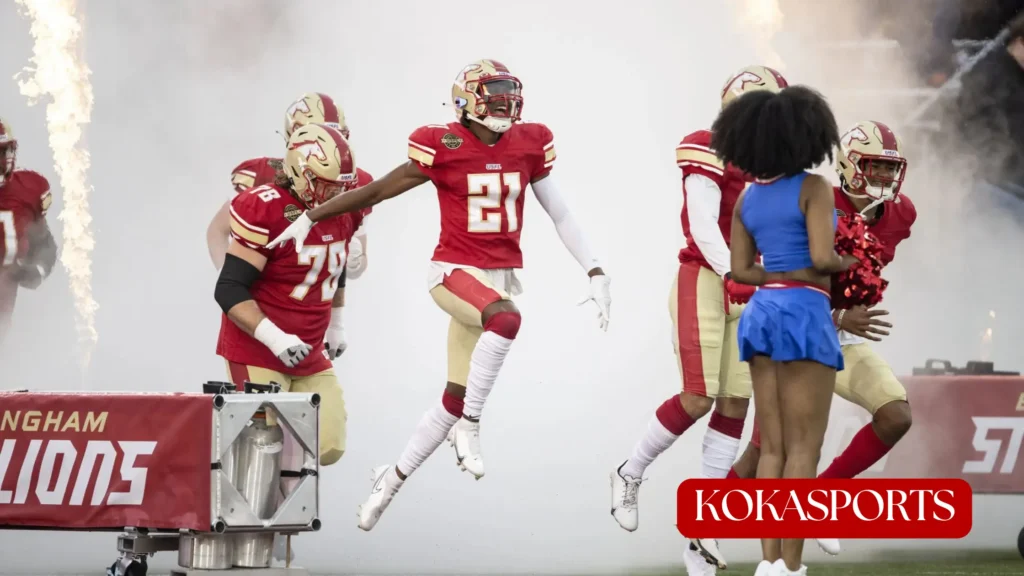
Active roster players receive the full weekly rate every week of the regular season. With 10 weeks of regular season games, an athlete on a full active contract can earn $55,000 or more before bonuses. Players also receive compensation during training camp, which typically adds several hundred dollars per week before the regular season officially begins.
Practice squad players, by contrast, earn around $400 per week at the lower end of the scale. This is a dramatic step down from active roster pay. However, practice squad players still receive the housing stipend, meals, and access to team facilities, which softens the financial blow somewhat. The practice squad is designed as a development tier players who show improvement can be elevated to the active roster mid-season, immediately increasing their weekly pay.
The difference in earnings between active and practice squad status over a 10-week season can be as high as $40,000 to $50,000. That is a meaningful sum for any professional football player, and it explains why competition for active roster spots in the USFL is intense every single season.
Salary of a USFL Player vs NFL Player: The Real Gap
The salary of a USFL player and that of an NFL player exist in completely different financial universes. The NFL minimum salary for a rookie is approximately $750,000 to $800,000 per season, and NFL salaries for established starters regularly exceed $3 million per year. Top-tier quarterbacks and pass rushers command contracts worth far more, with some exceeding tens of millions annually.

By comparison, even the highest-paid USFL player earns a fraction of the NFL rookie minimum. This gap reflects the enormous difference in revenue between the two leagues. The NFL generates billions of dollars annually from television deals, merchandise, and stadium revenues. The USFL, while growing steadily since its relaunch, is still scaling its commercial base and viewership.
That said, the USFL is not competing with the NFL it is complementing it. Many of the players in the USFL are former NFL practice squad veterans, undrafted NCAA standouts, and athletes who spent time on the fringes of NFL rosters. For these players, the USFL is not a consolation prize. It is a professional league with real pay, real competition, and real NFL scouts in the stands watching every game. Several players have used USFL seasons as springboards directly onto NFL rosters, which adds a value to the USFL that goes well beyond the weekly paycheck.
USFL Salaries vs XFL Salaries: How Do They Compare?
The debate between USFL salaries and XFL salaries is one fans and players bring up every spring. Both leagues compete for the same pool of professional football talent, and their pay structures are broadly similar but there are differences worth knowing.
| Category | USFL | XFL |
|---|---|---|
| Active Roster (Weekly) | $4,500 – $5,500 | $4,000 – $5,500 |
| Practice Squad Weekly | $400 – $600 | ~$600 per week |
| Housing Stipend | Yes | Yes |
| Season Length | 10 weeks | ~10 weeks |
| Championship Bonus | Yes | Yes |
XFL salaries for active roster players are competitive with USFL pay, and in some seasons the XFL has offered marginally higher practice squad rates at approximately $600 per week. However, the USFL has made consistent efforts to improve its compensation package each season, particularly for veteran players with multiple years of experience in the league.
For many athletes, the choice between the two leagues comes down to factors beyond salary roster opportunity, coaching staff, geographic location, and which league offers a clearer path to the NFL. Both leagues have demonstrated genuine commitment to player development, and player contracts in both organizations are structured to reward players who perform and stay healthy through the full regular season.
How USFL Players Get Paid: The Full Compensation Package
Beyond the base salary figures, USFL players get a compensation package that includes several important components. Here is what the full USFL offers players:
- Weekly base pay: $4,500–$5,500 for active roster players, paid per game during the regular season
- Training camp pay: Compensation begins during training camp, before the regular season starts
- Housing stipend: Full housing is arranged and subsidized by the league, reducing cost of living significantly
- Per game bonuses: Players can earn incremental bonuses tied to individual regular season games performance
- Playoff pay: Players who make the playoff receive additional compensation above their regular season rate
- Championship game bonus: Reaching the championship game adds a lump sum bonus; winning it adds more
- Champion bonus: The winning squad receives the largest bonus pool, distributed among active players
- Performance incentives: Quarterbacks, linebackers, and other key positions can earn additional pay based on statistical performance
A USFL player who completes the full 10-week regular season, makes the playoff, and wins the championship could realistically earn $55,000 to $65,000 or more in total compensation for a single spring season. When combined with the housing stipend and per game extras, the total value of a USFL contract is meaningfully higher than the base weekly figure suggests.
How Much Do USFL Players Earn: Rookies vs. Veterans
How much do USFL players earn varies depending on experience level. The league has made increasing efforts to reward returning players who have demonstrated value over two seasons or more.
Rookie players those coming directly from college football or the NCAA typically enter at the lower end of the active roster pay scale. A first-year USFL player who was undrafted in the NFL draft and is looking to establish himself professionally will generally earn the minimum active roster rate. This is still a legitimate professional paycheck, and for many rookies coming straight out of college football, earning professional income while competing at a high level is a major step forward.
Veteran players with multiple seasons of USFL or NFL experience can command slightly higher rates within the league’s contract structure. A former NFL practice squad player who comes to the USFL with several years of experience brings proven professional value, and the league acknowledges this in its player contracts.
Some veterans also attract larger performance bonus structures, particularly at premium positions like quarterback, where individual performance has an outsized effect on team results. A coach in the USFL earns significantly more than players, reflecting year-round responsibilities compared to the spring-focused player schedule.
USFL Player Contracts and the Offseason
One aspect of USFL contracts that players earn much of their income through is the structured seasonal pay model. Unlike the NFL, where players may have year-round income through base salary, roster bonuses, and offseason workout programs, USFL player contracts are largely seasonal. Active players are paid during training camp and the regular season, but income stops when the season ends.
This means much they make during the spring must stretch through the rest of the year for players who are not simultaneously on an NFL roster. Smart financial planning is essential. Many USFL athletes work in the offseason to supplement their spring earnings, pursue NFL tryouts, or continue training for the following USFL season. Since the USFL relaunched, the league has steadily worked to expand player support resources, including access to training facilities, nutritional programs, and career transition assistance between seasons.
Football players in the USFL who treat their contract strategically staying on the active roster, earning every bonus available, and using the platform to attract NFL attention can make an impact that extends far beyond their spring paycheck. The United States Football League was built with this purpose in mind: giving serious football athletes a professional home and a real shot at the next level.
Conclusion
So, how much do USFL players make? Active roster players earn between $4,500 and $5,500 per week across a 10-week regular season, totaling roughly $45,000 to $55,000 per season before bonuses. Practice squad players earn around $400 to $600 per week, while championship bonuses, playoff pay, and performance incentives can push total earnings meaningfully higher for top performers. The housing stipend and training camp pay add further value to the overall package.
USFL salaries are nowhere near NFL salaries, and they are broadly competitive with XFL salaries. But for every athlete who suits up in the USFL, the league represents far more than a paycheck. It is a professional stage, a development platform, and for many football players, the most direct route back to the NFL. As the league continues to grow its viewership and revenue, player salaries will grow with it making the USFL one of the most compelling opportunities in spring football today.
FAQs
What is the highest paid UFL player?
Top earners are typically starting quarterbacks. With bonuses included, the highest-paid players can earn $55,000–$65,000 for a full season.
How much does a coach make in the USFL?
Head coaches earn an estimated $250,000 to $500,000 per season, reflecting their year-round responsibilities compared to players on spring-only contracts.
What is the NFL minimum salary?
The NFL minimum salary for a rookie is approximately $750,000 to $800,000 per season far above what any USFL player earns.
Is the USFL professional?
Yes. Players are paid under official contracts, governed by a collective bargaining agreement, and compete at a level that regularly attracts NFL scouts.