

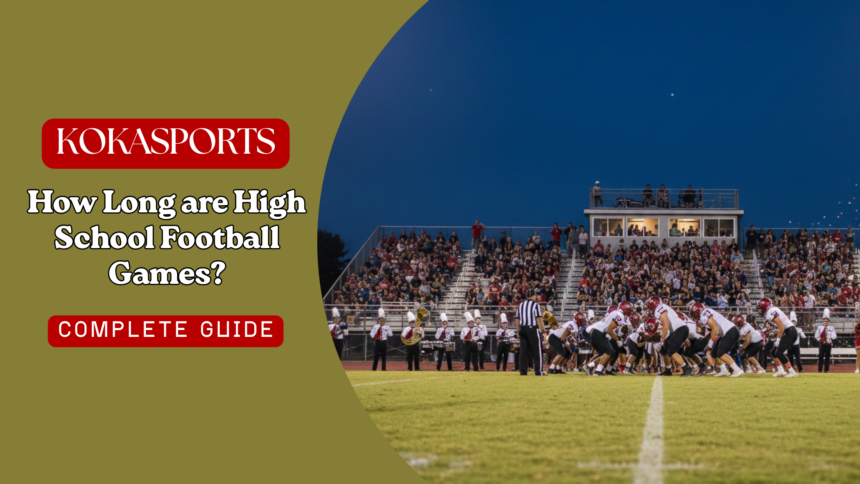
Friday night lights bring communities together across America. But if you’re heading to the stadium, you might be wondering: how long are high school football games?
Most high school football games last between 2 to 2.5 hours from kickoff to the final whistle. This includes playing time, timeouts, halftime, and regular breaks. However, certain factors can make games run shorter or longer than this typical range.
Breaking Down the Game Clock
High school football games consist of four quarters. Each quarter lasts 12 minutes of playing time. That gives us 48 minutes of actual football action on the clock.
But those 48 minutes stretch into hours of real time. The game clock stops frequently during play. Incomplete passes pause the clock. Players running out of bounds stop it. Timeouts freeze everything. Officials need time to mark penalties and spot the ball.
Here’s what makes up a typical game:
- First Quarter: 25-30 minutes real time
- Second Quarter: 25-30 minutes real time
- Halftime: 10-20 minutes
- Third Quarter: 20-25 minutes real time
- Fourth Quarter: 25-35 minutes real time
The fourth quarter often takes longest because close games involve more timeouts and clock management. Coaches use their remaining timeouts strategically. The two-minute warning creates additional stoppages.
What Happens During Halftime?
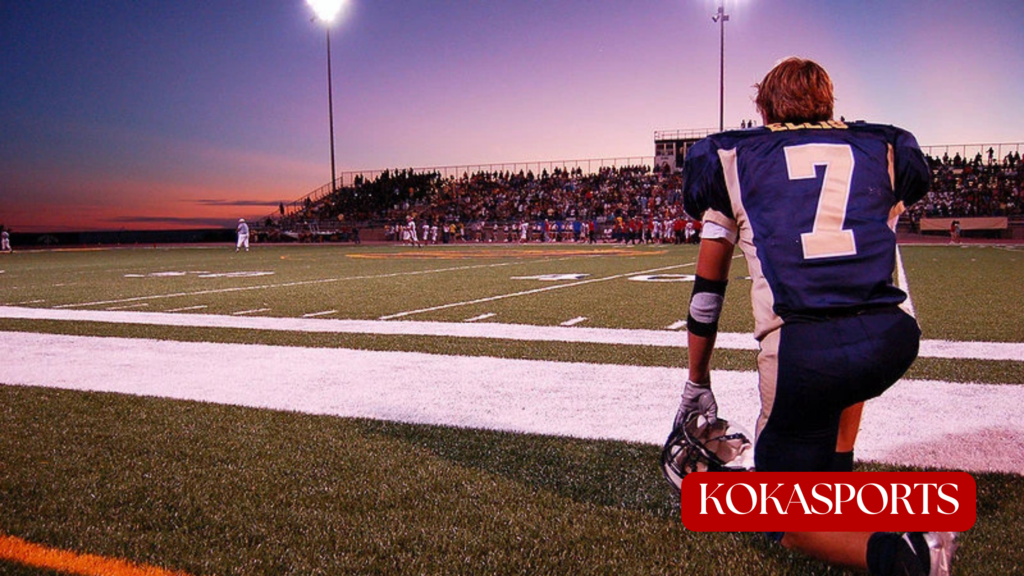
Halftime typically lasts 10 to 20 minutes at the high school level. This break serves multiple purposes beyond player rest.
The marching band performs on the field. Cheerleaders entertain the crowd. Concession stands see their biggest rush. Fans visit restrooms and stretch their legs.
Special events extend halftime length. Homecoming court presentations add extra time. Senior night recognitions happen during this break. These ceremonies can push halftime to 20 minutes or longer.
Factors That Make Games Run Longer
Several situations can push your evening past the standard timeframe.
Overtime Periods
Tied games require overtime to determine a winner. Each team gets a possession from the 10-yard line. Teams must go for two-point conversions starting in the second overtime. Each overtime period adds 15 to 30 minutes to the total game time.
Weather Delays
Lightning within eight miles requires clearing the stadium. Players and fans must seek shelter. These delays last at least 30 minutes. Heavy rain or extreme heat can also pause play. A weather delay can push total time past three hours.
Injuries on the Field
Player safety comes first. Medical staff needs time to assess injuries properly. Serious situations require careful handling. An ambulance on the field adds significant time. These stoppages are unpredictable but necessary.
Television Coverage
Games broadcast on local TV include commercial breaks. Television timeouts extend breaks between quarters. Networks control the pace during stoppages. Televised games typically run 15 to 20 minutes longer than regular contests.
Penalty-Heavy Games
Frequent flags slow everything down. Officials announce each penalty to the crowd. Coaches sometimes discuss calls with referees. A game with many penalties can add 20 to 30 minutes.
Factors That Make Games Run Shorter
Not every game takes the full 2.5 hours. Some situations speed things up.
Running Clock Rules
Many states use mercy rules for lopsided games. When one team leads by 35 or more points in the second half, the clock keeps running. This prevents embarrassing blowouts and respects everyone’s time. Games with running clocks can finish in 90 minutes.
Run-Heavy Offenses
Teams that run the ball keep the clock moving. The clock only stops when runners go out of bounds. Fewer incomplete passes mean fewer stoppages. Games between two run-focused teams often finish quickly.
Minimal Timeouts
Each team gets three timeouts per half. Teams that don’t use all their timeouts speed up the game. Strategic timeout conservation equals faster completion.
Comparing Different Football Levels
Understanding how high school timing differs from other levels helps set expectations.
| Level | Quarter Length | Typical Total Time | Halftime |
|---|---|---|---|
| High School | 12 minutes | 2 to 2.5 hours | 10-20 min |
| College | 15 minutes | 3 to 3.5 hours | 20 min |
| NFL | 15 minutes | 3 to 3.5 hours | 12 min |
| Youth Football | 10 minutes | 1.5 to 2 hours | 10 min |
High school games move faster than college or professional contests. Longer quarters and more TV timeouts extend games at higher levels. Youth games use shorter quarters for younger players.

Planning Your Game Day Experience
Knowing the typical game length helps you plan your Friday night better.
Arrival Time
Get to the stadium 30 to 45 minutes before kickoff. Parking lots fill up fast at popular schools. You need time to find good seats. Pregame activities like the national anthem happen before kickoff.
Departure Planning
Don’t schedule anything important right after the game. A 7 PM kickoff could mean leaving around 9:30 PM or later. Parking lot traffic takes extra time. Budget 15 to 20 minutes to exit and start your drive home.
What to Bring
Pack a cushion for hard bleacher seats. Bring a blanket for cool evenings. Layer your clothing because temperatures drop after sunset. Cash works better than cards at most concession stands.
Special Game Situations
Certain occasions affect timing in unique ways.
Homecoming games feature longer halftime shows for court presentations. These games can extend 20 to 30 minutes beyond normal length.
Rivalry games draw bigger crowds. Longer entrance lines and increased security can delay kickoff slightly. The intense atmosphere makes every play feel longer.
Playoff games include extended pregame ceremonies. Trophy presentations follow the final whistle. Plan an extra 30 minutes for postseason contests.
Conclusion
High school football games typically last 2 to 2.5 hours from kickoff to final whistle. Plan for a total of 2.5 to 3 hours when including parking and stadium exit time. While most games stay within this window, overtime periods, weather delays, and special ceremonies can extend the experience. The time commitment is worth it for the community atmosphere and memories created under those Friday night lights.
Frequently Asked Questions
How long is each quarter in high school football?
Each quarter lasts 12 minutes of playing time, but takes 20 to 30 minutes in real time due to clock stoppages.
Why do high school football games take longer than 48 minutes?
The clock stops for timeouts, incomplete passes, penalties, and out-of-bounds plays, plus halftime adds 10 to 20 minutes.
How long is halftime in high school football?
Halftime lasts 10 to 20 minutes. Special events like homecoming extend it to the longer end.
What happens if a high school football game is tied?
Games go to overtime. Each team gets one possession from the 10-yard line. Each overtime adds 15 to 30 minutes.
Can high school football games end early?
Yes. Mercy rules create running clocks when one team leads by 35+ points. These games finish in about 90 minutes.