
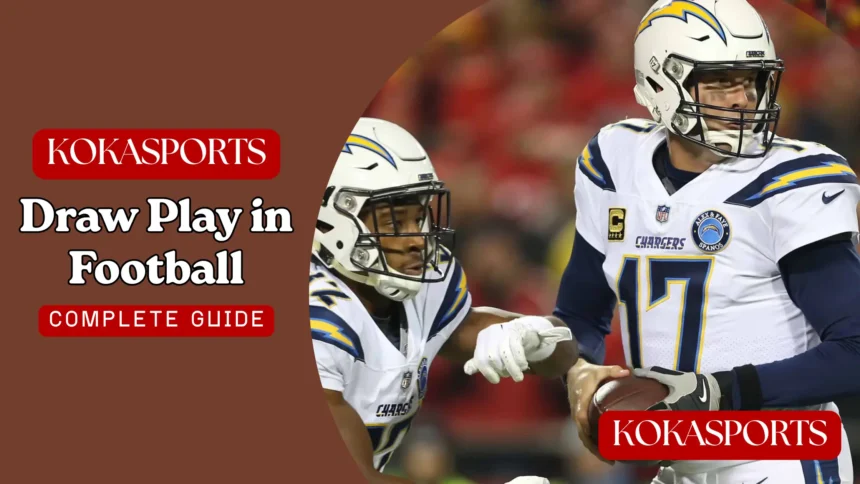
When you watch a football game, some of the most exciting moments happen when the offense tricks the defense. One play that does this better than almost any other is the draw play. This clever piece of strategy has been fooling defenders for decades, and it continues to be a weapon that coaches love to use when the situation is right.
Quick Summary
A draw play in football is a deceptive running play designed to look like a pass. It takes advantage of aggressive pass rushes by creating running lanes after defenders commit upfield. The quarterback drops back as if throwing, then hands off to the running back who runs through gaps left by overaggressive defenders.
What Is a Draw Play in Football? Meaning, Basics & Purpose
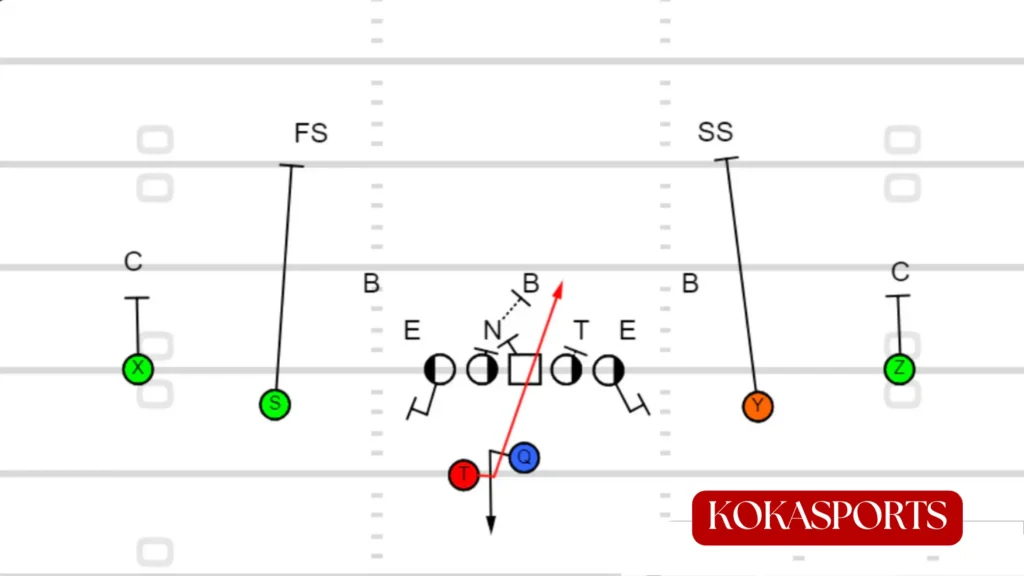
A draw play is a running play that looks like a pass play at the start. The quarterback drops back as if he’s going to throw the ball, which makes the defense think a pass is coming. Then, after a brief moment, the QB hands the ball to a running back who runs through the line of scrimmage. This delay and deception is what makes the draw so effective.
The beauty of this play lies in its ability to balance what a team does on offense. When a coach calls too many actual passes, the defense starts to rush the quarterback harder and faster. The draw play takes advantage of this aggressive behavior. As defensive players rush forward trying to get to the quarterback, they create open spaces behind them. The running back then runs into these gaps.
The difference between a draw and other running plays is all about timing and deception. A regular dive play happens quickly right after the snap. A sweep goes wide to the outside. But the draw waits. It uses that pause to let defenders commit to rushing the passer, then attacks the spaces they leave behind. This makes it fundamentally different from standard football plays in your playbook.
Read Also: Shotgun Formation: A Game-Changing Setup in American Football
The Origin and Evolution of the Draw Play in Football
The draw play didn’t always exist in football. Early teams ran simple running plays or threw basic passes. But as defenses got smarter and faster, offensive coordinators needed new ways to slow them down. The draw was born from this need.
In the 1950s and 1960s, NFL teams started using the draw more often. Coaches noticed that when they passed the ball frequently, defensive linemen would get so excited about sacking the quarterback that they’d lose their discipline. Smart offensive minds saw an opportunity. They created a play that punished this overaggressive behavior.
Over time, the play has changed. Modern offenses use it differently than teams did fifty years ago. Today’s spread formations and shotgun alignments make the draw even more effective. The QB starts farther from the center, which gives the play more room to develop. Mobile quarterbacks have also created new versions of this concept that we’ll explore later.
Core Components of a Successful Draw Play
The Role of the Quarterback in a Draw Play
The quarterback is an actor on this play. He must sell the defense on the idea that he’s going to throw. His drop steps need to look exactly like they would on a pass play. He might even look downfield at receivers, moving his head and eyes as if he’s searching for someone to throw to.
Timing is everything here. The QB can’t hand the ball off too early or the defense will see what’s happening. He can’t wait too long either, or the pass rushers will be on top of him. Most draws happen about two to three seconds after the snap. This gives just enough time for the defense to commit to the rush.
Sometimes the QB doesn’t hand the ball off at all. On a qb draw, the quarterback keeps the ball and runs it himself. This works especially well with mobile quarterbacks who can make defenders miss in open space.
Blocking Schemes That Make the Draw Work
The offensive line has a very specific job on this play. At first, they block like they would on a pass play. They step back and set up in their pass protection stance. This convinces the defensive line that a pass is coming. Then, after a count or two, they switch to run blocking.
This transition is the hardest part for offensive linemen to master. They need to let defenders rush past them slightly, then turn and push these defenders away from where the running back will be going. Guards and the center are especially important because they create the middle lanes that the back runs through.
Some teams use zone blocking on their draws, where linemen work together to block areas rather than specific players. Others use man blocking, where each lineman takes a particular defender. The choice depends on what the team does well and what the defense shows.
Formation & Pre-Snap Reads
Teams can run the draw from almost any formation, but some work better than others. The shotgun formation is probably the most popular choice today. When the QB lines up in shotgun, he’s already several yards behind the center. This gives him perfect position to hand the ball to a running back who’s lined up next to him.
I-formation can also work, though it’s less common in modern football. In this setup, the fullback can lead block for the running back on the draw. Single back sets offer a good balance of passing and running threats, making the defense unsure what’s coming.
Before the snap, smart quarterbacks look at how the defense lines up. Are the linebackers playing close to the line or dropping back? Are defensive linemen in aggressive stances? These clues help the quarterback and coach know if the draw will work on that particular snap.
How the Draw Play Fits Into a Football Playbook
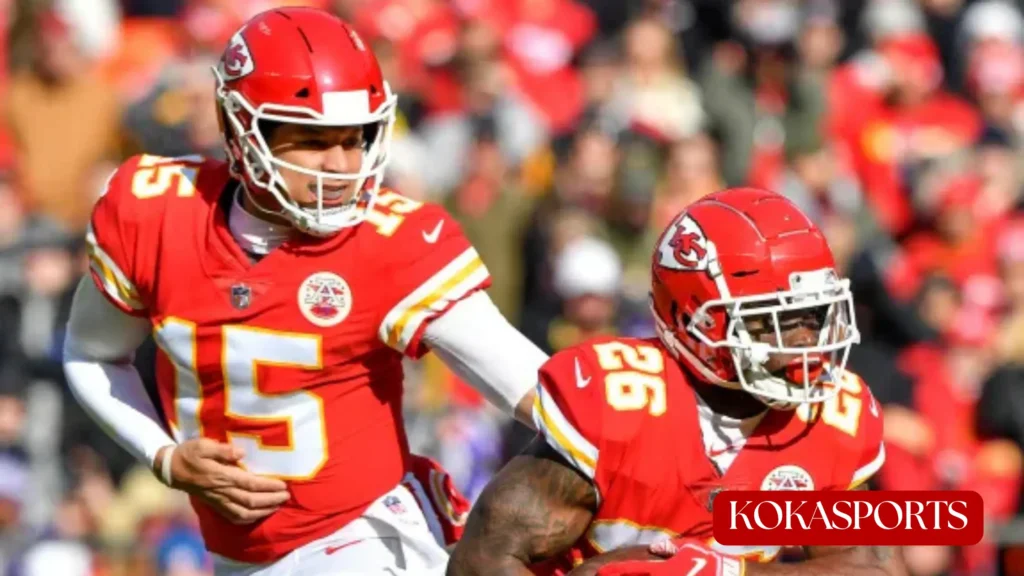
No team calls the draw on every play. It’s a complementary piece that makes other parts of the offense work better. When a team throws the ball well, defenses start rushing harder. They want to disrupt the passing game. This is when the draw becomes valuable.
Offensive coordinators usually script their draws for specific situations. They might plan to call it on second down and medium distance, like 2nd and 7. They might save it for after the team has thrown several passes in a row. Some coaches like to use it after a sack, when the defense expects the offense to pass again to make up the lost yards.
The draw also helps set up other plays. When a defense gets burned by a draw, they start hesitating on their pass rush. This extra split-second of hesitation gives the quarterback more time to throw on actual pass plays. It creates doubt in defenders’ minds, which is exactly what good offense wants to do.
Step-by-Step Breakdown: How a Draw Play Unfolds
Step 1: Pre-Snap Formation and Setup
The offense lines up in a formation that looks natural for passing. Receivers spread out to the sides. The running back might stay in to block, or he might line up next to the QB in shotgun. The defense sees this and prepares for what they think will be a pass.
Step 2: Snap and QB Action
The ball is snapped. The quarterback catches it and takes his drop steps, just like on a pass play. He might pump fake or look at a receiver downfield. His body language screams “pass play” to everyone watching.
Step 3: Blocking and Run Path
The offensive line sets up in pass protection. Defensive linemen rush forward, trying to get to the quarterback. But then the offensive linemen switch to run blocking. They turn their defenders and create lanes. The RB, who has been patient in the backfield, now sees his opening.
Step 4: Ball Carrier Vision and Decision Making
The back takes the handoff and reads the blocks developing in front of him. Good runners know how to be patient on this play. They let their blockers do their work, then burst through the lane. If a defensive lineman or linebacker breaks through, the runner must make a quick adjustment to find another gap.
Why the Draw Play Is Effective in Football
The psychological warfare of the draw play cannot be overstated. Defensive players train their whole careers to get to the quarterback. When they see pass protection and a QB dropping back, their instincts take over. They rush upfield with everything they have. This natural reaction is exactly what makes them vulnerable.
The draw slows down the pass rush for the rest of the game. Once a defense gets hit with a successful draw, pass rushers start thinking twice. Should they rush all-out or should they stay disciplined? This hesitation gives the offense an advantage on every subsequent snap.
In the 2019 playoff game between the Baltimore Ravens and Tennessee Titans, the Titans used several key draw plays to keep the Ravens’ aggressive defense off balance. These calls helped control the clock and keep Baltimore’s high-powered offense off the field. It showed how a well-timed draw can change the momentum of a critical game.
Situational Football: When to Call a Draw Play
The best time to call this play is on early downs with medium distance to go. Second down and six to ten yards is ideal. The defense expects a pass because the offense needs a decent gain to stay on schedule. This expectation makes them vulnerable.
After a sack is another great time for the draw. The defense feels good about themselves. They just got to the quarterback, and now they want to do it again. Their confidence makes them rush even harder on the next play, which opens up running lanes.
Game flow matters too. If a team has been passing successfully for several drives, defenses adjust. They might bring extra pass rushers or have their defensive backs play closer to receivers. This is the perfect setup for a draw that attacks the middle of the field where defenders aren’t paying attention.
However, some situations are bad for the draw. On third down and long, the defense knows a pass is likely and they’re prepared to stop short gains. Against a defense that doesn’t rush hard, the draw loses its effectiveness because there are no gaps created by overaggressive pass rushers.
Variations of the Draw Play
QB Draw vs Running Back Draw
The traditional version involves handing the ball to an RB. This works when you have a power runner who can break tackles at the second level. The running back version is safer because the quarterback doesn’t get hit.
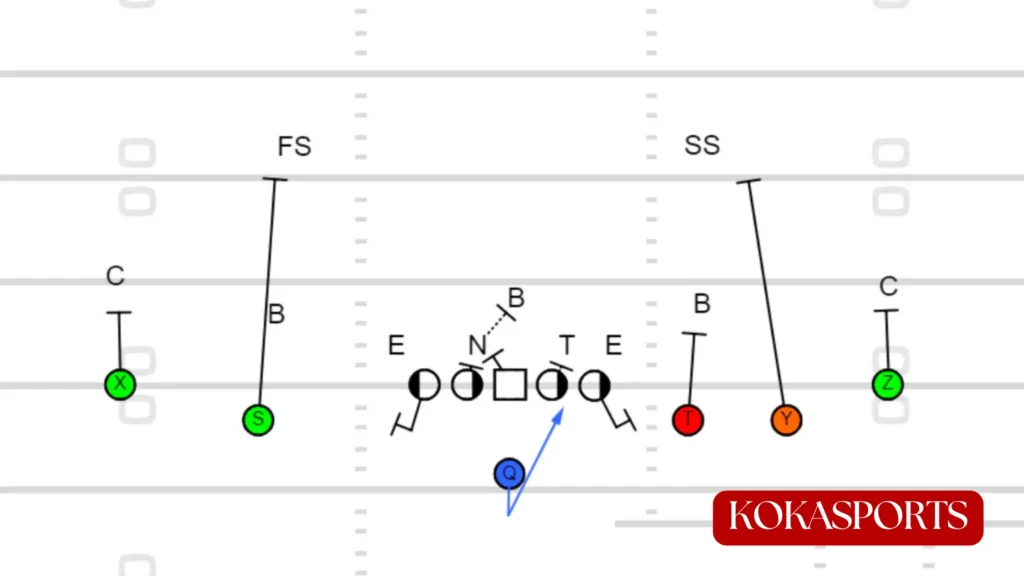
But the QB draw has become popular, especially with athletic quarterbacks. In this version, the quarterback fakes the handoff or just keeps the ball and runs himself. Defenders often ignore the QB once they think the ball has been handed off, which creates huge running lanes. The trade-off is that your most important player is taking hits.
RPO vs Draw
The Run-Pass Option is different from a traditional draw, though they share some DNA. An RPO gives the quarterback a choice after the snap he can hand the ball off for a run or pull it back and throw a pass. The draw doesn’t have this choice built in. It’s designed from the start to be a run play that looks like a pass.
Screen Draw Hybrid Concepts
Some creative offensive coordinators blend the draw with screen pass concepts. The idea is to have offensive linemen release to block downfield like on a screen, while the running back takes a draw path. This confuses linebackers who don’t know whether to chase the releasing linemen or plug the middle for the run.
Common Mistakes Teams Make With the Draw Play
Poor timing kills the draw. If the QB rushes handing the ball off, defenders will see it coming. The whole point is to let the defense commit to their pass rush first. Patience is required from everyone involved the quarterback, the running back, and the offensive line.
Blocking breakdowns happen when linemen don’t coordinate their switch from pass to run blocking. If one offensive lineman transitions too early or too late, a defender breaks through and tackles the back in the backfield for a loss.
Another mistake is calling the draw against the wrong defensive look. If a defense is playing soft coverage and not rushing hard, the draw won’t work well. There are no gaps to exploit because defenders aren’t rushing upfield aggressively.
Coaching Tips for Running Better Draw Football Plays
Coaches should start by teaching the concept slowly. Walk through the play first, showing players exactly what each person should do and when. The quarterback needs to work on his acting ability. He must practice his drop steps and ball fakes until they look identical to his real pass plays.
For offensive linemen, drill the transition from pass to run blocking separately. Have them practice their initial pass set, then the turn and drive that creates running lanes. This muscle memory will serve them when they execute at full speed.
Running backs need special attention too. They must learn to wait for blocks to develop. Young backs often want to run too soon, before the holes appear. Film study helps here showing them examples of great draw plays from the NFL where the back demonstrates perfect timing and vision.
NFL Examples: Successful Draw Football Plays in Pro Games
The Dallas Cowboys have historically used draw football plays very effectively. In their prime years, they would throw the ball to stretch defenses, then hit them with a perfectly timed draw up the middle. The combination of strong offensive line play and patient running backs made this a staple of their offense.
More recently, teams like the Kansas City Chiefs have shown how the QB draw can be devastating. Their quarterback’s ability to run makes every play a potential big play. Defensive coordinators must account for this threat, which opens up other parts of the offense.
The lesson from pro football is clear: the draw works best when it’s part of a larger system. It’s not a trick play you run once and forget. It’s a tool that fits with everything else in your offensive scheme.
Conclusion
The draw play represents one of football’s most elegant examples of strategy beating raw physical ability. By making defenders think a pass is coming when a run is actually happening, the offense gains precious yards and keeps the defense honest.
For any team looking to improve their offensive playbook, the draw should be a serious consideration. It complements the passing game beautifully and gives you a response when defenses start rushing your quarterback too aggressively.
The key to success with this play is commitment. Your quarterback must master the deception, your offensive line needs practice making that tricky transition from pass to run blocking, and your running back has to develop patience.
Whether you’re coaching youth football or studying NFL strategy, the draw play deserves your attention. Master it, and you’ll have a tool that works at every level of the game.
FAQs
What does draw play mean in football?
A draw play is a run designed to look like a pass to fool the defense.
What is draw in football?
A draw is a deceptive running play that exploits aggressive pass rushers.
How do coaches teach the draw play?
Coaches teach timing, quarterback deception, and delayed blocking.
Is draw a football term?
Yes, “draw” is a standard football term for a deceptive run play.