
In modern football, success depends heavily on having a strong defense that can stop opposing teams from scoring. At the heart of every great defense stands one crucial figure: the defensive coordinator. This coach plays a vital role in shaping how a team performs on the field, making critical decisions that can determine whether a team reaches the playoff or goes home early.
The Defensive Coordinator Role in Football
A defensive coordinator serves as the mastermind behind a team’s defensive strategy. Think of this position as the architect who designs the blueprint for stopping opponents from scoring. While the head coach oversees the entire team, the defensive coordinator focuses exclusively on the defensive side of the ball, working tirelessly to create game plans that exploit opponent weaknesses.
The difference between a defensive coordinator and an offensive coordinator is clear: one focuses on preventing points while the other focuses on scoring them. The special teams coordinator handles kickoffs and punts, while both offensive and defensive coordinators manage their respective units. Each coordinator brings specialized expertise to the coaching staff, but the defensive coordinator’s job is particularly demanding because they must anticipate and counter everything the opposing offense might attempt.
Defense wins championships – this old saying holds true in both the NFL and college football. A great defensive coordinator can transform an average team into a contender. Their work impacts every aspect of the game, from limiting yards per game to creating turnovers through interception and forced fumbles. The coordination between offensive and defensive coaching staffs ensures that practice time is used efficiently and both units support each other during games.
Read More: What Is an Offensive Coordinator? Ultimate Guide to the Key Coaching Role in Football
What Does a Defensive Coordinator Do?
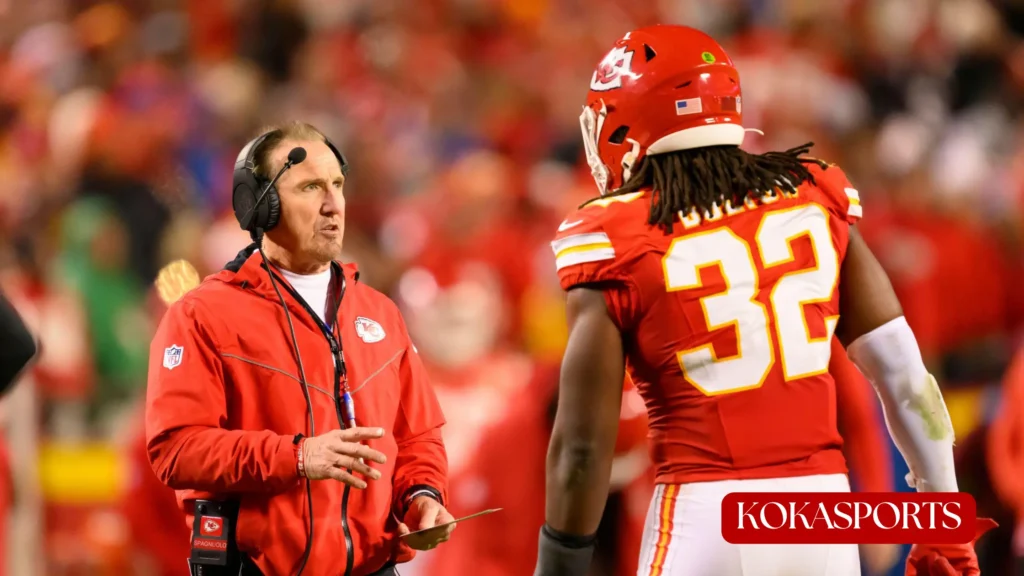
The day-to-day responsibilities of a defensive coordinator extend far beyond game day. During the week, they spend countless hours studying film of upcoming opponents, identifying tendencies and patterns in offensive play-calling. This scouting process helps them develop defensive game plans tailored to exploit specific weaknesses. For example, if an opponent struggles with pressure, the defensive coordinator might design schemes involving blitzing linebackers through interior gaps.
Calling defensive plays during games represents one of the most visible and pressure-filled aspects of the job. From the sideline or coaching booth, the defensive coordinator communicates play calls to the field, often through signals or radio communication with the linebacker who serves as the defensive captain. These real-time decisions require split-second judgment. Should they blitz the quarterback? Drop extra defensive back players into coverage? Switch to zone defense? Every call matters.
Coaching and mentoring defensive players forms another critical component of the role. A great defensive coordinator doesn’t just call plays – they develop talent. They work closely with position coaches like the defensive backs coach and linebackers coach to ensure every player executes properly. The defensive coordinator also collaborates with the athletics department and trainers to monitor player health and adjust practice intensity accordingly.
Mid-game adjustments separate good defensive coordinators from great ones. Football is dynamic, and opponents constantly adjust their strategies. A defensive coordinator must recognize when their initial game plan isn’t working and quickly implement changes. This might mean switching from man-to-man coverage to zone coverage, adding extra pass rushers to generate more sack pressure, or adjusting alignments to better defend the run.
Key Responsibilities
The defensive coordinator’s job includes several specific duties:
- Scouting opponent offenses: Analyzing film to identify formations, favorite plays, and tendencies
- Collaborating with position coaches: Working with coaches for the defensive line, linebackers, and secondary
- Evaluating player performance: Determining who should start and how to rotate players
- Motivating the defensive unit: Building confidence and maintaining intensity throughout the season
- Managing practice schedules: Ensuring adequate preparation time for all staff and players
The Path to Becoming a Defensive Coordinator Coach
Most defensive coordinators follow a similar career trajectory, starting as position coaches and gradually working their way up. Many begin as a defensive assistant or graduate assistant at the college level, learning the fundamentals while supporting more experienced coaches. Others start as position-specific coaches – perhaps a safeties coach or defensive lineman coach – where they develop expertise in coaching particular positions.
The journey typically involves multiple stops at different programs or teams. A coach might spend two seasons at one school, then move to a bigger program for three seasons, gradually building a reputation for developing players and coordinating effective defenses. Some coaches spend four seasons or more in one location, especially if they’re successful and the program values stability.
Essential Skills for Success
Leadership tops the list of required skills. A football coach must command respect from players and fellow coaches while maintaining positive relationships. They need to inspire players to give maximum effort, even when facing adversity. Strategic thinking is equally important – the best defensive coordinators think several plays ahead, anticipating how opponents will attack and preparing counter-moves.
A strong defensive mind requires knowledge of both defensive and offensive schemes. Great defensive coordinators understand offensive and defensive football equally well. This knowledge helps them predict play calls and design defenses that create confusion for opposing quarterbacks and offensive coordinators. The ability to teach complex concepts in simple terms also proves invaluable, as players need clear instructions to execute properly.
| Skill Category | Key Abilities | Why It Matters |
|---|---|---|
| Strategy | Game planning, scheme design | Creates foundation for defensive success |
| Leadership | Motivation, communication | Inspires players to perform at their best |
| Analysis | Film study, opponent scouting | Identifies weaknesses to exploit |
| Adaptability | In-game adjustments | Responds to unexpected situations |
Education and Playing Experience
While playing experience helps, it’s not absolutely required to become a successful defensive coordinator. However, most top defensive coordinators played football at some level, giving them firsthand knowledge of what players experience on the field. Many played as a defensive end, linebacker, or in the secondary, positions that require reading offenses and making quick decisions.
Coaching certifications and advanced training programs provide formal education in coaching techniques, player safety, and program management. Attending coaching clinics and networking with established coaches also accelerates career development.
Defensive Coordinator in the NFL : What It Takes at the Pro Level
The jump from college to NFL defensive coordinator represents a massive leap in responsibility and pressure. NFL teams face the best offensive minds in football, scheming against brilliant coordinators who have unlimited time and resources to prepare. The talent level of opposing players is also vastly superior to college, with every offensive player being among the best athletes in the world.
NFL teams demand results immediately. Unlike college programs where coordinators might get several years to build their system, NFL defensive coordinators face intense scrutiny from game one. Owners, general managers, and fans expect top performance. The New York Jets, New York Giants, Philadelphia Eagles, and Baltimore Ravens all expect elite defenses, and coordinators who struggle might find themselves replaced mid-season.
NFL defensive coordinators interact closely with front offices when building rosters. They provide input on NFL Draft prospects, free agent targets, and roster construction. For example, if a defensive coordinator runs a scheme that requires athletic linebackers who can cover tight ends, they’ll advocate for the team to draft or sign players with those specific skills.
Elite NFL coordinators share common traits. They adapt their schemes to fit available talent rather than forcing players into uncomfortable roles. They create pressure on quarterbacks without always blitzing, using creative alignments and disguises to confuse offensive lines. They also develop young players quickly, turning draft picks into productive starters within their first or second season.
Pete Kwiatkowski – A Case Study in Defensive Coordination Excellence
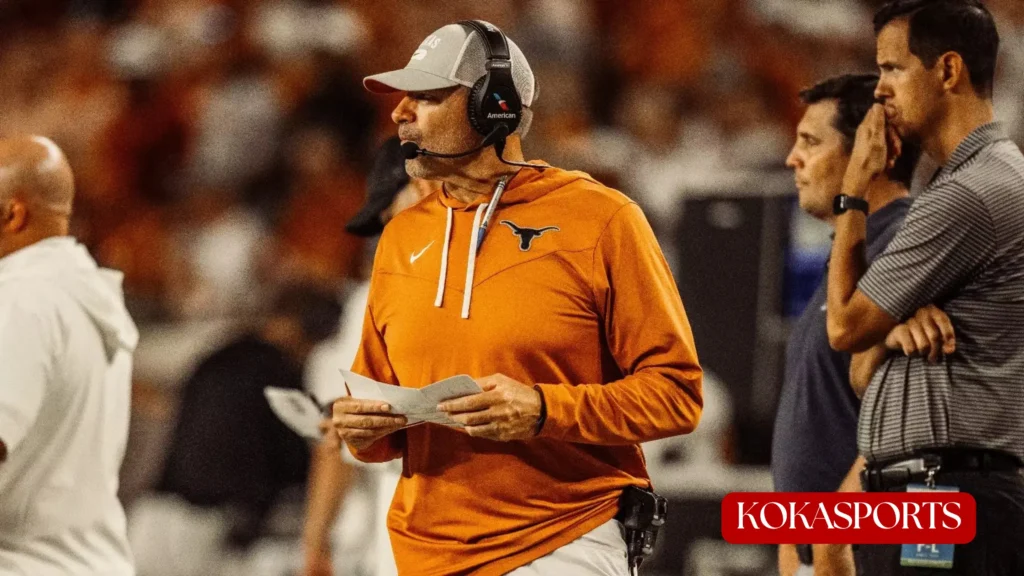
Pete Kwiatkowski provides an excellent example of a successful coaching career. His journey from Boise State to Washington and eventually Texas demonstrates the typical path coordinators follow as they climb the coaching ladder. At each stop, Kwiatkowski built his reputation by fielding competitive defenses that ranked highly in key statistical categories.
Defensive coordinator Pete Kwiatkowski made his biggest impact during his time at Texas, where the Texas defensive unit achieved remarkable success. In 2021, he joined Texas and began building the program. By 2022, the Texas defense showed significant improvement under his leadership. The defense continued improving through 2023 and into the 2024 season, consistently ranking among the nation’s best units. His work earned recognition as a Broyles Award semifinalist, one of college football‘s highest honors for assistant coaches.
Working alongside defensive passing game coordinator Duane Akina (formerly passing game coordinator Duane Akina), Kwiatkowski built one of the top defenses in college football. The defense ranked highly in multiple categories during their tenure together. Texas typically finished ranking in the top 20 nationally in total defense, measuring total yards allowed per game effectively.
The pass defense excelled at limiting passing yards, while the rushing defense kept opponents’ ground games in check, measuring rushing yards per game and rushing yards efficiently. The unit also dominated in yards per play, keeping opponents from gaining chunks of yardage. These comprehensive defensive performances helped Texas compete for a college football playoff berth and reach the Fiesta Bowl.
Their success in 2022 and beyond demonstrated how coordinated coaching efforts elevate entire position groups. The staff developed players who earned conference and national recognition, including defensive honors like defensive lineman of the year and defensive player of the year. The defense excelled in generating tackles for loss, recording multiple sack opportunities per game, and creating defensive touchdowns through turnovers and returns.
The unit’s performance metrics were impressive across the board. Texas consistently ranked among leaders in scoring defense, total defense, and pass defense. They held opponents to low points per game totals while the defense created multiple interception opportunities throughout each season. However, 2024 brought changes, with Pete Kwiatkowski and defensive passing game coordinator positions undergoing transitions at Texas, reflecting the reality of college coaching mobility.
College Football Defensive Coordinators : Unique Challenges and Rewards
College coordinators face distinct challenges compared to their NFL counterparts. Recruiting represents a massive responsibility that NFL coordinators never handle. College defensive coordinators must identify, evaluate, and recruit high school players who fit their scheme. This process consumes significant time during off-seasons.
Player development timelines also differ dramatically. College coordinators work with players for at most four seasons, often seeing significant roster turnover annually. They must constantly rebuild and reload, developing new starters to replace players who graduate or leave early for the NFL Draft.
The impact of a great college defensive coordinator extends beyond wins and losses. When a coordinator elevates a defense to elite status – achieving top defensive rankings in categories like yards per play, points per game, sack totals, and tackles for loss – it transforms recruiting. High school players want to play for programs known for defensive excellence and for coordinators who develop talent, especially those who have served as defensive coordinator for three seasons or more at major programs.
Some defenses feature 12 defensive starters who all contribute to championship-level success, showing the coordinator’s ability to develop the entire defensive unit and take the defense to another level. When someone is promoted to defensive coordinator or named defensive coordinator, they inherit this responsibility. Historical examples include when programs had an opportunity to hire Will Muschamp as head coach at Florida, demonstrating how successful coordinators advance their careers.
Some programs employ a co-defensive coordinator structure, splitting responsibilities between two coaches. This approach, such as having a co-defensive coordinator and safeties coach arrangement, allows programs to retain talented assistants who might otherwise leave for full coordinator positions elsewhere. Programs that improve dramatically – perhaps moving from ranked sixth to top three nationally – make their coordinators extremely valuable in the coaching market.

Conclusion
The defensive coordinator position stands as one of football’s most influential roles. Whether coordinating an NFL defensive unit or a college program, these coaches shape game outcomes through strategy, player development, and leadership. Great defensive coordinators leave lasting legacies by creating defensive touchdowns, generating timely sack pressure, and building cultures of toughness that continue impacting programs long after they’ve moved on. Both NFL and college football success requires exceptional defensive coordination, making this role essential to championship-caliber teams.
FAQs
What does a defensive coordinator do?
A defensive coordinator creates defensive game plans, calls plays during games, coaches defensive players, and makes in-game adjustments to stop opponents from scoring.
Who is Raheem Morris?
Raheem Morris is the head coach of the Atlanta Falcons (2024) and former NFL defensive coordinator with coaching experience at the Buccaneers and Rams.
Who will replace Shane Bowen?
This depends on the specific team and timing. Teams typically promote assistant coaches or hire experienced coordinators from other programs.
What is the hardest position in football on defense?
Cornerback. They must cover fast receivers one-on-one, react instantly to routes, and recover from mistakes while playing with their back to the quarterback.