

What is QBR in football? QBR (Total Quarterback Rating) is an advanced statistic created by ESPN that measures a quarterback’s overall impact on a game on a 0–100 scale, with 50 representing league-average performance.
Introduced in 2011, QBR evaluates every play a quarterback is involved in, including passes, rushes, sacks, and fumbles, and weighs how much each play contributes to winning. Unlike traditional passer rating, QBR considers game situation, opponent strength, and context not just basic passing numbers.
ESPN developed QBR as part of its advanced analytics approach to better capture quarterback performance beyond box-score stats. This guide explains how QBR works, why it was created, and how it differs from the traditional NFL passer rating.
How QBR Measures Quarterback Performance
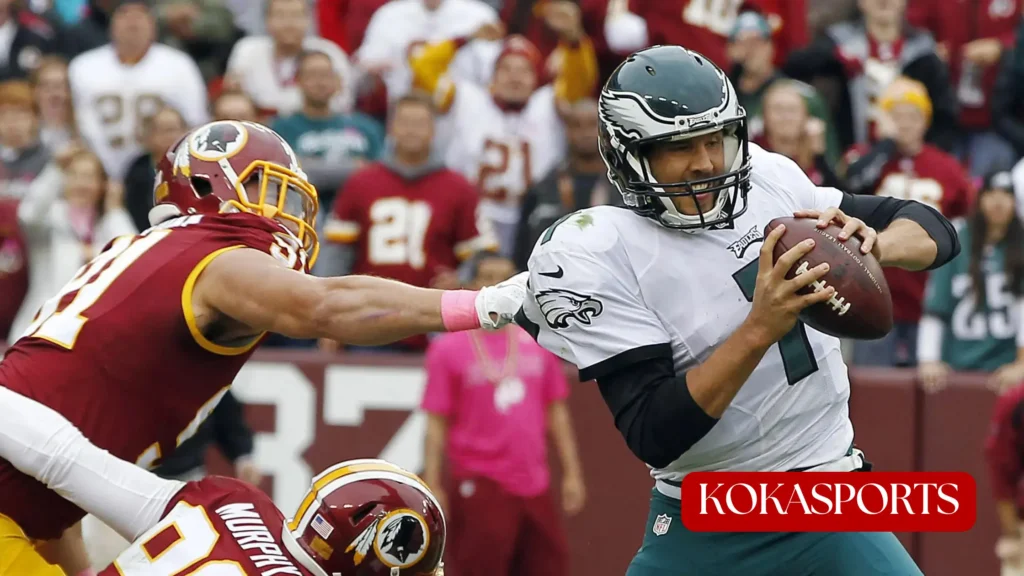
Total QBR is ESPN’s attempt to provide a clearer measure of quarterback efficiency than what traditional stats offered. The metric evaluates quarterback play by looking at all contributions, not just passing statistics.
What QBR includes:
- All pass attempts and completions
- Rushing plays by the quarterback
- Sacks taken
- Fumbles lost
- Touchdown passes and runs
- Interceptions thrown
- Every play outcome and its impact on winning
The QBR calculation goes deeper than simple stat lines. According to ESPN, the system uses Expected Points Added (EPA), which measures how much each play changes a team’s chances of scoring. EPA is calculated by comparing the value of field position and down-and-distance before and after each play. This contextual approach means a 5-yard completion on 3rd-and-3 counts differently than the same gain on 3rd-and-15.
Key features of how QBR works:
- QBR accounts for game situation and opponent strength
- Adjusted for the strength of the defense faced
- Performance in crucial moments weighs more than plays when games are already decided
- The raw QBR is then adjusted and scaled from 0 to 100
- Allocates credit to the quarterback based on their actual contribution versus help from teammates
A quarterback with a QBR above 75 had an excellent game, while anything below 30 represents poor performance. QBR takes into account context that raw numbers miss.
Why ESPN Developed Total QBR
ESPN created QBR to fix what football analysts saw as major flaws in the NFL passer rating formula. The traditional passer rating, which maxes out at 158.3 for a perfect passer rating, only considers four passing statistics: completion percentage, yards per attempt, touchdown passes, and interceptions.
Problems with traditional passer rating:
- Ignores rushing contributions by mobile quarterbacks
- Doesn’t account for sacks or fumbles
- Treats all completions equally regardless of down and distance
- No adjustment for opponent quality
- Doesn’t distinguish between clutch and garbage time performance
ESPN analysts worked to create a more complete picture. Since QBR launched, it has become popular among ESPN Stats coverage and is used alongside NFL stats during broadcasts. The goal was simple: measure the overall quarterback contribution to winning, not just passer efficiency.
Read Also: What is a Quarterback in Football: Complete Guide
QBR vs Passer Rating: Key Differences
Understanding the difference between passer rating and QBR helps you evaluate quarterback performance better. Here’s a clear breakdown:
| Feature | QBR | Passer Rating |
|---|---|---|
| Created by | ESPN | NFL |
| Scale | 0–100 | 0–158.3 |
| Includes rushing | ✅ Yes | ❌ No |
| Includes sacks & fumbles | ✅ Yes | ❌ No |
| Situation-based | ✅ Yes | ❌ No |
| Adjusts for opponent | ✅ Yes | ❌ No |
| Official NFL stat | ❌ No | ✅ Yes |
| Year introduced | 2011 | 1973 |
Traditional NFL Passer Rating
- Passer rating is calculated using four stats only: completion percentage, yards per attempt, touchdowns, and interceptions
- Simple formula that’s been used since the 1970s
- Not included in passer rating: rushing, sacks, fumbles, game context
- Used officially by the NFL on all broadcasts and publications
ESPN’s Total Quarterback Rating (QBR)
- Developed by ESPN as part of their ESPN Stats & Information initiative
- QBR scale runs from 0 to 100, where 50 is average
- Uses every play the quarterback touches
- QBR values clutch performance and discounts meaningless stats
- Whether the quarterback gets credit depends on their actual contribution
Real example: A quarterback might have a high traditional rating after completing short passes that receivers turned into big yards after catch. However, their QBR might be lower because the system recognizes the receivers did most of the work.
How to Read and Use QBR
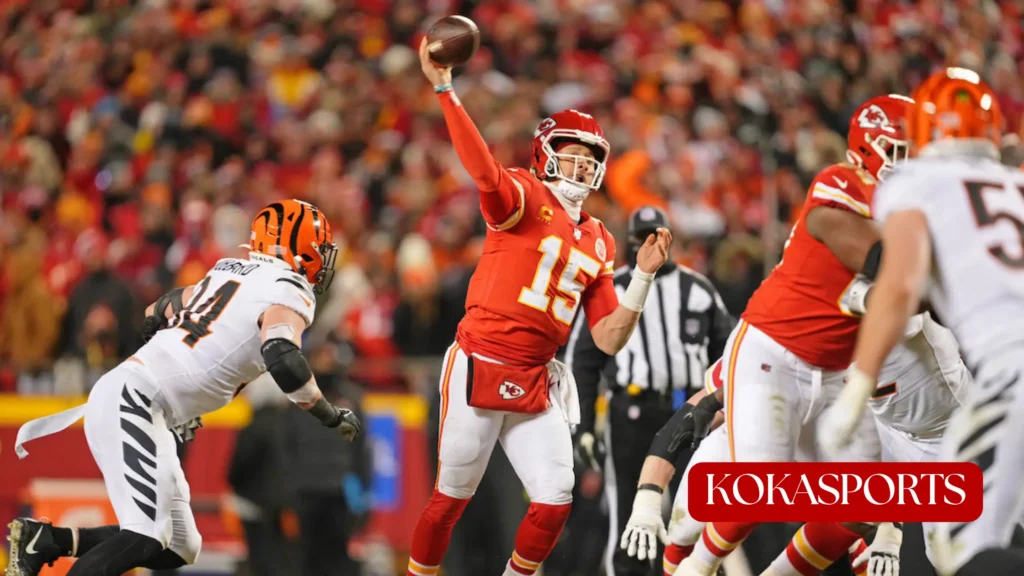
When you see QBR numbers on ESPN, here’s what they mean:
QBR Scale Breakdown:
- 90-100: MVP-level performance
- 75-89: Elite game
- 60-74: Above average performance
- 40-59: Average to slightly below average
- 25-39: Poor performance
- 0-24: Terrible game
The league average QBR sits around 50 by design. This makes it easy to quickly assess whether the quarterback performed above or below average in any given NFL season or individual game.
Single game QBR shows how well a QB played in one matchup, while season QBR averages performance across all NFL plays throughout the year.
Real-World Examples: QBR in Action
Let’s look at how QBR has evaluated some top quarterbacks:
Tom Brady has consistently posted high career QBR numbers, often above 70 for full seasons, reflecting his ability to perform in crucial moments and adapt to different defenses.
Aaron Rodgers regularly achieves QBR values above 75, showing elite quarterback performance year after year. His high QBR reflects not just strong passing stats but also his ability to avoid sacks and make plays with his legs when needed.
Kirk Cousins typically posts QBR scores in the 55-65 range solid but not elite which matches how most football analysts evaluate him: a good starter but not among the very best.
When a quarterback has great traditional stats but lower QBR, it often means:
- The offensive line gave them too much time
- Receivers made exceptional plays after the catch
- Stats came during less meaningful moments
- Poor decision-making that didn’t show up in basic numbers
What QBR Tells Us That Other Stats Don’t
QBR accounts for several factors that help paint a more complete picture:
Down and distance matters: A touchdown on 1st-and-goal from the 1-yard line doesn’t show the same quarterback skill as a touchdown on 3rd-and-15 from the 30-yard line. This is where the EPA calculation shines.
Opponent quality: Throwing 300 yards against a weak defense means less than 250 against an elite unit. QBR works by adjusting for defensive strength.
Pressure situations: Win probability factors heavily into the QBR calculation, meaning clutch plays in close games matter more.
Mobile QBs get proper credit: Quarterbacks like Lamar Jackson and Josh Allen gain value from their rushing ability, which QBR captures but traditional passer rating misses completely.
Team context: QBR attempts to separate what the QB did from what their supporting cast accomplished. A screen pass that goes 80 yards mostly due to blocking and running after catch won’t inflate QBR as much as passer rating.
Limitations and Criticisms of QBR
While ESPN Stats promotes Total QBR as the best measure of quarterback performance, it’s not perfect:
Black box formula: ESPN hasn’t fully revealed how QBR is calculated, making it hard to verify or understand completely. This lack of transparency bothers some analysts.
Subjective elements: How much credit belongs to the quarterback versus receivers or the offensive line requires judgment calls in how QBR takes credit and distributes it.
College football: While there’s a college version, QBR works best for the NFL where ESPN has the most detailed play-by-play data going back to 2006.
Not universally accepted: The NFL still uses traditional passer rating officially. Many nfl quarterback debates still reference the old rating system because it’s familiar and transparent.
Variable swings: QBR values can change dramatically based on a few plays, and the opponent adjustments aren’t always clear to viewers.
Using QBR Alongside Other Stats
The smartest approach? Use QBR and passer rating together, along with watching actual quarterback play.
Best practice for evaluating QBs:
- Check QBR for overall contribution and situational performance
- Look at traditional passer rating for basic efficiency
- Watch passing performance with your own eyes
- Consider passing yards, touchdown-to-interception ratio, and completion numbers
- Factor in team success and playoff performance
- Remember that nfl passer rating and QBR both have blind spots
No single statistic or metric tells the complete story. A quarterback’s value includes leadership, pre-snap adjustments, and intangibles that no stat can measure. According to ESPN analysts and other football experts, QBR does a better job than older systems at capturing what actually happened on the field during crucial nfl plays.
For the 2025 NFL season and beyond, expect to see both the traditional passer rating formula and ESPN’s Total QBR used side by side. Each offers unique insights into quarterback efficiency and overall quarterback contributions.
Conclusion
What is QBR in football? It’s ESPN’s comprehensive rating system that measures QB performance from 0 to 100, accounting for every play, game situation, and opponent strength. Created in 2011 to fix the limitations of older metrics, Total QBR gives fans and analysts a more complete view of what makes a better quarterback. Whether you’re following the 2025 NFL season or analyzing past games, use QBR alongside traditional stats and your own observations to get the fullest picture of how QBs truly impact winning.
FAQs
What’s the difference between QBR and quarterback rating?
QBR is ESPN’s 0–100 stat that includes rushing, sacks, and game context, while passer rating is the NFL’s passing-only stat capped at 158.3.
Is a QBR of 50 good?
Yes by design, a QBR of 50 represents exactly league-average quarterback performance.
Who has the highest career QBR in NFL history?
Career QBR leaders typically include elite quarterbacks like Patrick Mahomes and Aaron Rodgers, both with marks above 70.
Does QBR include rushing yards?
Yes, QBR includes quarterback rushing plays, giving mobile QBs credit for their impact with their legs.
Why is QBR controversial among NFL fans?
QBR is controversial because ESPN has not fully disclosed its formula, making it less transparent than traditional stats.