

The flexbone offense remains one of the most effective and misunderstood schemes in football. While many teams chase the latest spread concepts, programs like the service academies continue to dominate with this time-tested system. This introduction to the flexbone will break down everything you need to know about this powerful offensive system.
What Is the Flexbone Offense and Why It Works
The flexbone offense is a run-first attack built around option plays, misdirection, and physical execution at the line of scrimmage. Unlike spread systems that rely on space and athleticism, this option offense creates numerical advantages through precision and discipline.
Paul Johnson popularized the modern flexbone during his time at Georgia Southern, Harding University, and Georgia Tech. His influence, along with innovators like Scott Dieterich, transformed this offense into a sophisticated system that challenges even elite defenses.
Core Philosophy of the Flexbone Offense
The core philosophy centers on three principles:
- Control the clock through efficient running the ball
- Force defensive mistakes by creating conflict at multiple levels
- Maximize player potential regardless of size or speed
Teams running this scheme consistently rank among national leaders in time of possession. By keeping their defense fresh and limiting opponent possessions, they win games that stat sheets suggest they shouldn’t.
Read More:Shotgun Formation: A Game-Changing Setup in American Football
The Flexbone Formation Breakdown
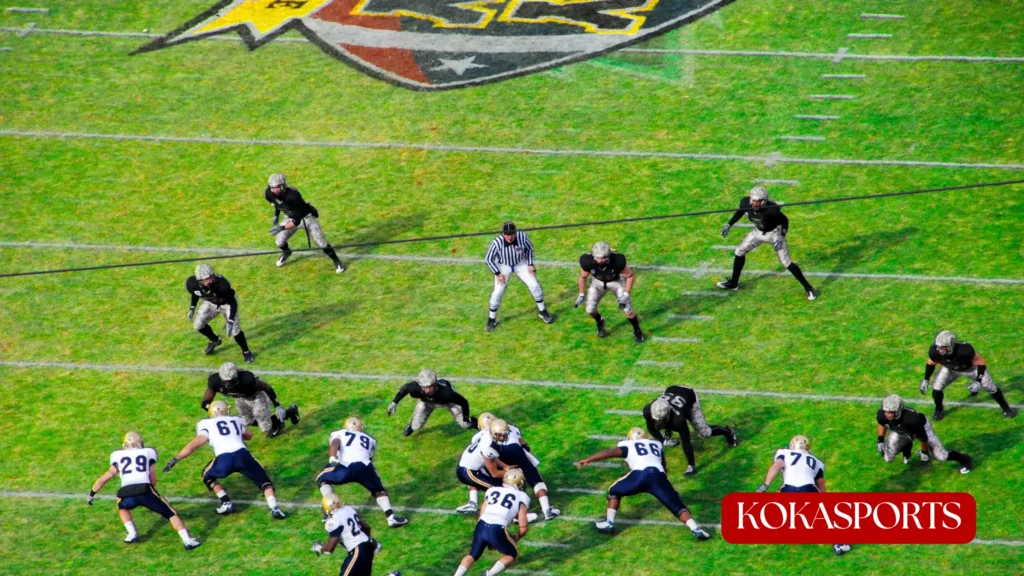
The flexbone formation features a quarterback under center, a fullback (or b back) aligned behind the qb, and two slotbacks positioned outside the tackles. This alignment differs from the wishbone offense, which places slotbacks deeper and closer to the fullback.
How the Flexbone Formation Creates Defensive Problems
This formation creates immediate problems for defenses. The alignment forces defenders to account for multiple ball carriers on every play. Whether facing an 8 man front or man front, the flexbone creates natural leverage advantages.
Here’s how the basic alignment stresses defenses:
| Position | Alignment | Primary Role |
|---|---|---|
| QB | Under center | Execute reads, distribute ball |
| Fullback | 4 yards deep | Dive option, inside runs |
| Slotbacks (2) | Outside tackles | Pitch option, perimeter blocking |
| Offensive Line | Tight splits | Zone blocking, combination blocks |
| Tight End | Strong side (optional) | Edge blocking, play action targets |
The tight splits used by the offensive line make it difficult for defenses to penetrate gaps. These splits also create angles that allow smaller lineman units to successfully move bigger defenders.
The Triple Option: Heart of the Flexbone Offense
The triple option offense represents the foundation of flexbone football. On each play, the quarterback reads defensive reactions to determine who receives the ball. This decision-making process happens in split seconds and requires extensive practice.
How the Triple Option Works Step-by-Step
The triple option sequence works like this:
- First option: The fullback attacks the A or B gap with a dive or zone dive
- Second option: The QB keeps the ball and attacks the edge based on the dive read
- Third option: The QB pitches to the trailing slotback if threatened by an outside defender
“The triple option doesn’t beat you with speed or power alone. It beats you with numbers and execution,” explains a veteran football coach who has faced this system for decades.
Triple Option Variations in the Flexbone Offense
The inside veer and midline represent the two most common triple option variations. The inside veer reads the defensive end, while the midline reads an interior defender. The outside veer stretches the defense horizontally and works particularly well against aggressive secondaries.
Proper quarterback reads separate good option teams from great ones. The QB must process defensive movement while maintaining proper mesh for qb’s timing with the fullback. This simultaneous reading and execution requires countless repetitions in practice.
Core Running Plays in the Flexbone Offense
Beyond the triple option, the flexbone offense includes several complementary concepts that keep defenses honest. The rocket toss provides a quick perimeter attack that doesn’t require option reads. This play gets the ball to your fastest slotback immediately with multiple lead blockers.
Misdirection and Counter Plays
Counter plays use misdirection to attack backside defenders who pursue too aggressively. These plays require excellent ball security from all ball carriers, as the mesh points and fakes increase fumble risk without proper technique.
Sequencing Your Run Game for Maximum Effectiveness
The run game sequence typically follows this pattern:
- First down: Establish the dive with inside veer or zone dive
- Second down: Test the perimeter with speed option or rocket toss
- Third down short: Counter or misdirection to punish aggressive pursuit
- Third down long: Play action or quick passing game
This sequencing forces defenses to defend the entire field width while maintaining gap integrity. Even defenses with superior athletes struggle when they must play disciplined assignment football for 60-70 plays per game.
Passing Plays in the Flexbone Offense
Many critics claim the flexbone can’t pass effectively. This misconception stems from teams that treat the passing game as an afterthought rather than an integral system component. The truth is that the commitment to running creates explosive passing plays opportunities.
Why Play Action Works So Well
Play action concepts work exceptionally well from the flexbone. When defenses crash to stop the dive, tight ends and slot receiver options running vertical routes find themselves wide open. The wr positions in this system may catch fewer balls, but their catches often result in big gains.
Most Effective Passing Concepts
Common passing concepts include:
- Flood routes that put three receivers in one zone
- Wheel routes from the slotback after dive action
- Post corners from split receivers against press coverage
- Boot passes that use the QB’s option fake to create throwing lanes
The key is selling the run action authentically. When the quarterback properly executes his option fake, linebackers and safeties freeze for critical moments. This hesitation creates throwing windows that don’t exist in traditional drop-back concepts.
How to Install the Flexbone Offense
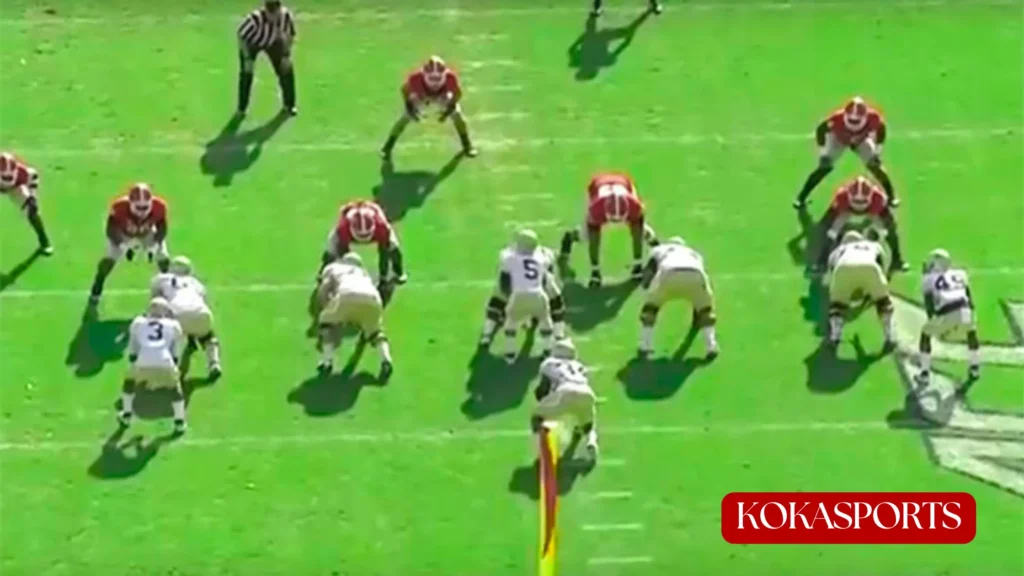
Teams new to the flexbone offense often struggle initially because they underestimate the precision required. Every player must execute their assignment perfectly for plays to succeed. One missed block or poor pitch relationship destroys the entire concept.
Practice Structure for Flexbone Success
Successful installation begins with fundamental drill work. The mesh point between QB and fullback requires daily repetition. Position-specific drills build the muscle memory needed for game execution.
Flexbone coaches should structure practice around these priorities:
Individual Period (20 minutes)
- Mesh drills for QB and fullback
- Pitch relationship work with QB and slotbacks
- Blocking progressions for linemen
Group Period (25 minutes)
- Inside veer versus various fronts
- Perimeter blocking for edge plays
- Route concepts for receivers
Team Period (30 minutes)
- Full plays against scout defense
- Situational work (goal line, short yardage)
- Two-minute and hurry-up situations
Installation Timeline by Level
The timeline for installation varies by level. High school football programs typically need a full offseason to establish basic competency. At the college level, spring practice provides crucial development time before fall camp.
Why the Flexbone Offense Works at Every Level
The flexbone offense succeeds from youth leagues through college football because it maximizes talent rather than requiring it. Programs can compete with larger, faster opponents by forcing them to play assignment-sound football.
Building Your Flexbone Program
Flexbone Nation represents a growing community of coaches who share practice plans, game film, and teaching resources. This collaborative environment helps new programs avoid common installation mistakes.
The playbook for this system doesn’t need to be enormous. Teams can run an entire season with 15-20 core plays and their complements. This limited play menu allows for superior execution through repetition.
Real Success Stories
Real success stories include:
- Georgia Southern winning multiple national championships
- Service academies consistently beating Power Five programs
- Small high schools defeating schools twice their size
These successes share common threads: committed coaching, disciplined players, and relentless practice habits.
Key Drills for the Flexbone Offense

Effective drill work separates successful flexbone programs from those that struggle with execution. Position-specific repetitions build the muscle memory needed for split-second decisions during games.
Quarterback Development Drills
The mesh point represents the most critical technical aspect of this system. QBs must ride the fullback’s hip pocket while reading the defensive key simultaneously. Start with stationary mesh work before adding movement and defenders.
Progression drills teach proper reads:
- Walk-through reps against cones representing defenders
- Half-speed reps with defenders showing specific reactions
- Full-speed reps where defenders react naturally
- Competitive periods with consequences for mistakes
Slot Back and Fullback Drills
These players must maintain perfect pitch relationships and execute blocks in space. The veer concepts require slot backs to stay 4-5 yards from the QB while reading his decision. Too close and the pitch gets intercepted; too far and the timing breaks down.
Fullback development focuses on decisive cuts and powerful finishes. These runners must attack gaps violently while securing the football through contact. Simple drill progressions from bag work to live contact build this toughness systematically.
Modern Flexbone Coaching Philosophy
Scott Dieterich has influenced modern flexbone coaching through clinics, resources, and direct mentorship. His teaching emphasizes systematic installation and attention to technical details that many coaches overlook.
Lessons from Successful Flexbone Coaches
The Flexbone Nation community continues growing as more programs discover this system’s effectiveness. Coaches share film breakdowns, practice scripts, and troubleshooting advice that accelerates learning curves for new adopters.
Key coaching principles from successful flexbone programs:
- Simplify the system – Master core concepts before adding wrinkles
- Teach with video – Show players exactly what reads look like
- Build from inside out – Perfect the inside veer before expanding
- Practice situational football – Prepare for every game scenario
- Develop second-level blocking – Linebackers must be blocked consistently
One experienced coach notes: “We don’t need fancy plays or complicated schemes. We need eleven players executing their assignments with precision and violence.”
Flexbone Offense Success in College Football
Programs at every level continue winning with this offense despite critics claiming it’s outdated. The results speak louder than any theoretical argument.
Service Academy Dominance
Army, Navy, and Air Force consistently compete with larger programs by controlling tempo and limiting possessions. Their commitment to the flexbone offense creates distinct competitive advantages in recruiting and development.
These programs prove that physical and mental toughness can overcome pure athletic advantages. By forcing opponents to play assignment-sound football for 60-plus plays, they create opportunities for defensive stands and turnovers.
High School Championship Success
Small-school programs nationwide have built dynasties around this system. Schools with 200 students compete with schools of 2,000 by neutralizing size disadvantages through scheme and execution.
One championship coach explained: “We’re not trying to out-athlete anyone. We’re trying to out-execute and out-tough them. The flexbone gives us that opportunity every Friday night.”
Defending Against Modern Defensive Adjustments
Today’s defenses employ various strategies to stop option attacks. Having counter-plays ready determines success against quality opponents.
Countering Scrape Exchange
This technique switches assignments between defensive ends and linebackers to confuse option reads. The counter involves using midline concepts that read different defenders or running counter plays that attack backside gaps.
Beating Eight-Man Fronts
When defenses load the box with an 8 man front, the passing plays become essential. Quick screens, slot fades, and play action shots force defenses to respect vertical threats and back out of heavy boxes.
Attacking Aggressive Force Players
Defenses that crash hard on dive fakes create opportunities for perimeter concepts. The rocket toss and speed option attack edges faster than defenders can adjust from their aggressive dive keys.
Offensive Line Techniques in the Flexbone
The offensive line executes specialized blocking schemes different from traditional systems. Tight splits and combination blocks create movement even when overmatched physically.
Zone Blocking Principles
Rather than man-blocking assigned defenders, linemen work in combinations to climb to linebackers. The lineman closest to a linebacker releases once the down defender is controlled.
Critical Footwork and Technique
Proper steps and hand placement matter more than raw strength. Smaller, technically sound lines consistently win battles against bigger, less disciplined opponents.
The offensive line coach must emphasize:
- Quick first steps to gain positional advantages
- Staying square to maintain blocking angles
- Finishing blocks through the whistle on every play
- Communication for identifying defensive fronts and adjustments
Common Challenges Running the Flexbone
Running the flexbone triple option presents specific challenges that coaches must address. The most significant concern involves developing the QB’s decision-making ability.
Ball Security Concerns
Ball security becomes critical because multiple players handle the ball on most plays. Fumbles kill drives and destroy the time-of-possession advantage this offense creates. Daily emphasis on proper mesh technique and ball-carrying fundamentals prevents these costly mistakes.
Overcoming Passing Game Misconceptions
The biggest misconception involves the passing game. Critics claim teams can’t throw effectively from this system. However, flexbone team concepts naturally create favorable passing situations through run action. The issue isn’t capability—it’s commitment to integrating passes properly.
Building Your Flexbone Program Long-Term
Successful offensive football programs embrace this system as a long-term identity rather than a temporary scheme. This commitment starts with the head coach and extends through every assistant and player.
Key Success Factors
Consider these success factors:
Recruiting: Target players who value team success over individual statistics
Development: Build depth through consistent position coaching and technique work
Culture: Emphasize discipline, toughness, and selflessness
Patience: Allow time for the system to take root before expecting championship results
The modern game hasn’t passed this offense by—it has simply moved toward schemes that require less precision. But for programs willing to commit to execution and discipline, the flexbone option provides a proven path to competitive success regardless of talent disparities.
The Future of the Flexbone Offense
The flexbone offense isn’t disappearing—it’s evolving. Modern coaches incorporate spread concepts, tempo variations, and enhanced passing attacks while maintaining core option principles.
Hybrid Approaches
Some programs now blend flexbone principles with pistol formations or empty sets. These adaptations maintain option reads while creating different defensive conflicts and spacing challenges.
Tempo Variations
Traditional flexbone teams operate at deliberate paces, but some programs now use hurry-up tempos between plays. This evolution prevents defensive substitutions and creates fatigue advantages.
Enhanced Passing Integration
The most progressive flexbone coaches treat the passing game as equal to the run game rather than a complementary element. This balance makes the offense nearly impossible to defend when executed properly.
Is the Flexbone Offense Right for Your Team?
Programs considering this system must commit fully. Half-hearted installation produces poor results and reinforces negative perceptions about the offense’s viability. But total commitment—from the head coach through every player—creates championship-caliber results.
Best Team Profiles
This system works best for teams that:
- Value discipline and execution over individual highlights
- Have coaching staff willing to learn specialized techniques
- Possess athletes who embrace physical, assignment football
- Need to compete against larger, more talented opponents
Final Thoughts on the Flexbone Offense
The flexbone offense succeeds because it prioritizes execution over complexity. While other systems chase the newest trends, this approach focuses on fundamental football: blocking, tackling, ball security, and disciplined assignment football.
Key Takeaways for Coaches
- Start with core concepts and perfect them before expanding
- Invest practice time in position-specific drills and fundamentals
- Develop your quarterback through systematic progression training
- Create a program culture around toughness and selflessness
- Use complementary passes to keep defenses honest
- Trust the system during adversity and stay committed
Key Takeaways for Players
- Accept that individual statistics may not match spread offenses
- Embrace physical football and assignment discipline
- Take pride in execution rather than highlight plays
- Develop mental toughness through repetitive practice
- Trust your teammates to execute their assignments
Why Execution Beats Scheme
The flexbone works not because of magical plays or trick schemes. It works because defenses struggle stopping offenses that execute simple concepts with precision and physicality. When eleven players commit to their assignments, create movement at the line of scrimmage, and maintain ball security, good things happen regardless of opponent quality.
This system has won championships at every level for decades. It will continue winning for programs willing to commit to its principles, embrace its demands, and trust in execution over innovation. The question isn’t whether the flexbone offense can still win—the question is whether your program has the discipline and commitment to run the flexbone at championship levels.
The choice is yours. The system works. The results are proven. Now it’s time to execute.
FAQs
Is the flexbone a good offense?
Yes, it’s effective and controls the game.
What is the difference between flexbone and Wingbone?
Flexbone has tighter slotbacks; Wingbone uses deeper wingbacks.
Who invented the flexbone offense?
Paul Johnson popularized it from the wishbone.
What offense does Navy run?
Navy runs the flexbone triple option.