
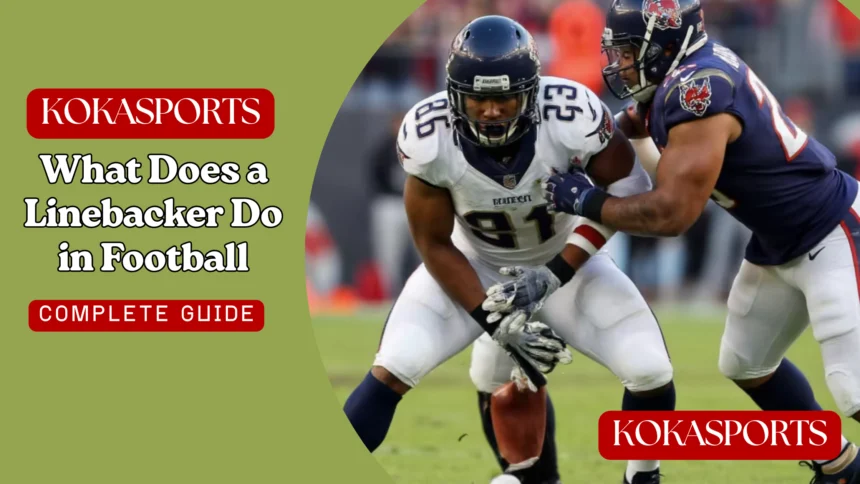
When watching American football, you’ll often notice one defensive player who seems to be everywhere at once making tackles, calling signals, and directing teammates. This player is usually a linebacker, often called the “quarterback of the defense” for good reason.
Most casual fans know that linebackers tackle running backs and sometimes rush the quarterback. However, what does a linebacker do goes far beyond these basic defensive duties. The linebacker position involves much more than simple tackling. This article explores how linebackers read offenses, communicate with teammates, and execute complex strategies that can change the outcome of games.
The Linebacker’s Role in Modern Football
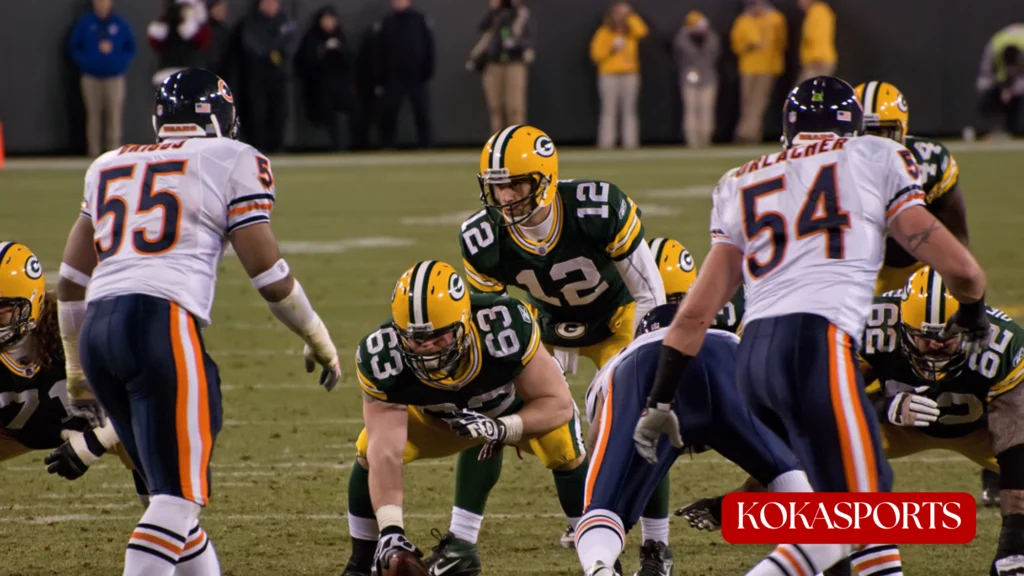
Linebackers control the middle of the defense and serve as the bridge between the defensive line and defensive backs. They line up behind the defensive linemen, typically three to five yards behind the line of scrimmage, which gives them the flexibility to respond to both run plays and pass plays.
This central position allows linebackers to influence every play, making split-second decisions that can determine whether the offense gains five yards or fifty.
Key Responsibilities on Every Play
| Responsibility | Description |
|---|---|
| Reading formations | Identifying offensive setup before the snap |
| Run/pass recognition | Determining play type within seconds |
| Gap filling | Stopping runners at assigned positions |
| Coverage duties | Defending zones or specific receivers |
| Team communication | Relaying adjustments to all defenders |
| Sideline pursuit | Chasing ball carriers across the field |
The demands on linebackers vary significantly between high school football, college football, and the NFL. In the NFL, offenses run more complex schemes with faster players, requiring linebackers to process information at lightning speed.
NFL linebackers must:
- Defend against athletic tight ends in coverage
- Stop powerful running backs in their tracks
- Rush the passer on blitz packages
- Process offensive schemes in under two seconds
How Linebackers Read and React to Plays
The process of reading a play starts well before the ball is snapped. Experienced linebackers study the offensive formation, looking at how the offensive line is positioned, where the tight end lines up, and how the running back is aligned in the backfield.
Pre-Snap Indicators Linebackers Watch
Offensive line stance:
- Weight forward suggests run
- Upright stance suggests pass
Tight end position:
- Often indicates direction of run plays
- Offenses tend to run toward the strong side
Running back alignment:
- Hints at sweep plays
- Reveals pass protection schemes
Wide receiver splits:
- Provides clues about route combinations
- Shows potential screen plays
Quarterback body language:
- Eye movement reveals target areas
- Pre-snap adjustments signal play changes
Post-Snap Reactions
Once the ball is snapped, linebackers must react instantly. If offensive linemen fire off the line of scrimmage to engage defenders, it’s likely a run play. The linebacker must fill his assigned gap and meet the ball carrier at or behind the line of scrimmage.
If the offensive line drops back into pass protection, linebackers transition to coverage responsibilities or execute a blitz to rush the quarterback.
Case Study: Ray Lewis’s Playoff Interception
In a playoff game, Hall of Fame linebacker Ray Lewis diagnosed a screen pass before the quarterback even released the ball. By reading the quarterback’s eyes and seeing offensive linemen release into space, Lewis jumped the route for an interception that sealed the victory. This type of anticipation separates good linebackers from great ones.
Football coaches train linebackers through thousands of repetitions, teaching them to recognize offensive patterns. This mental preparation is just as important as physical training because linebackers usually have less than two seconds to process information and react.
Communication: The Linebacker’s Leadership Role
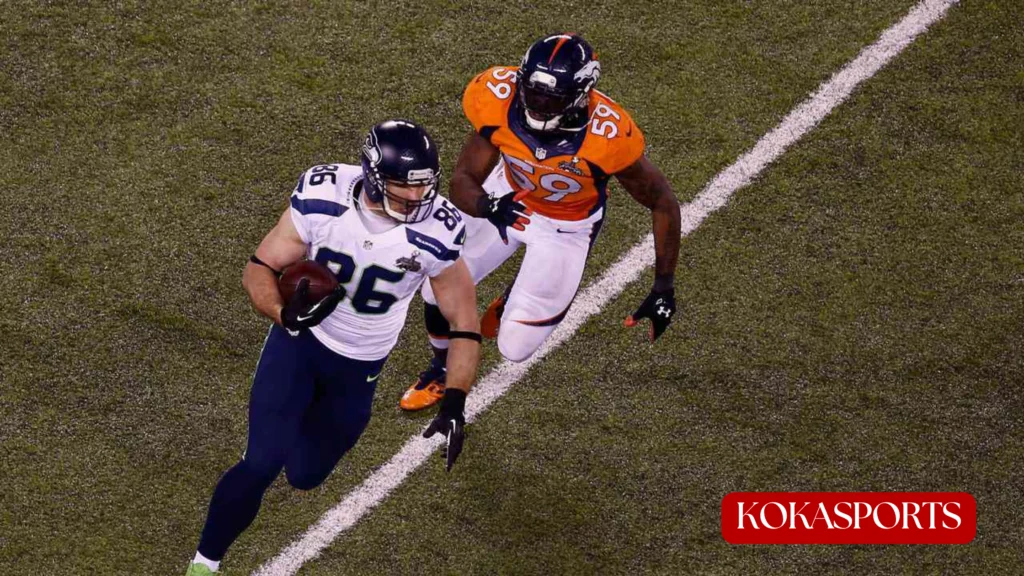
Communication forms the backbone of any successful defense, and linebackers serve as the primary communicators. The middle linebacker typically receives the defensive call from coaches on the sideline, then relays adjustments to the entire defensive unit.
Communication Tasks Linebackers Handle
- Identifying the “Mike” linebacker for offensive line blocking schemes
- Calling out motion and shifts by offensive players
- Adjusting defensive alignments based on formation
- Warning defensive backs about potential route combinations
- Signaling blitz packages or coverage changes
Linebackers position themselves behind the defensive line, which gives them a clear view of the entire offensive formation. This vantage point makes them perfect for coordinating assignments with defensive linemen.
If a defensive end pinches inside to create pressure, the outside linebacker must adjust to cover the vacated edge. These adjustments happen rapidly, often with just hand signals and quick verbal cues.
Zone Coverage Communication
In zone coverage schemes, linebackers must communicate passing off receivers as they cross through different zones. For instance, if a receiver runs across the middle of the field, an inside linebacker might pass coverage responsibility to a defensive back while picking up a new threat entering his zone.
Without clear communication, these handoffs create confusion that quarterbacks exploit for big gains.
Leadership qualities separate elite linebackers from average ones. Players like Patrick Willis, Luke Kuechly, and Bobby Wagner became legends not just for their physical skills but for their ability to organize and inspire their defensive units.
Types of Linebackers and Their Specific Roles
Different linebacker positions have distinct responsibilities based on where they line up and the defensive scheme being used.
Middle Linebacker (MLB)
Primary responsibilities:
- Serves as defensive leader
- Main run defender
- Handles most defensive communication
- Lines up directly behind defensive line
- Fills gaps in the running game
Required skills:
- Excellent instincts
- Strong communication abilities
- Quick play diagnosis
- Physical toughness
Outside Linebackers in 4-3 Defense
Strong-side linebacker (SAM):
- Lines up on the side with the tight end
- More physical run defense
- Covers tight ends frequently
Weak-side linebacker (WILL):
- Plays on the opposite side
- More speed-oriented
- Pursues plays sideline to sideline
- Covers running backs on swing passes
Inside Linebackers in 3-4 Defense
These players share run-stopping duties and coverage assignments. They work together to control the middle of the field and must be comfortable operating in traffic near the line of scrimmage.
Key attributes:
- Strength to shed blocks consistently
- Ability to face multiple blockers
- Quick lateral movement
- Coordination with partner linebacker
Outside Linebackers in 3-4 Defense
Often function more like defensive ends, rushing the passer frequently. These players are typically larger and more athletic than traditional linebackers, with the ability to generate pressure on the quarterback.
Dual responsibilities:
- Pass-rushing specialist
- Can drop into coverage when needed
- Typically 240-260 pounds
- Height advantage for batting passes
Linebackers in Different Defensive Schemes
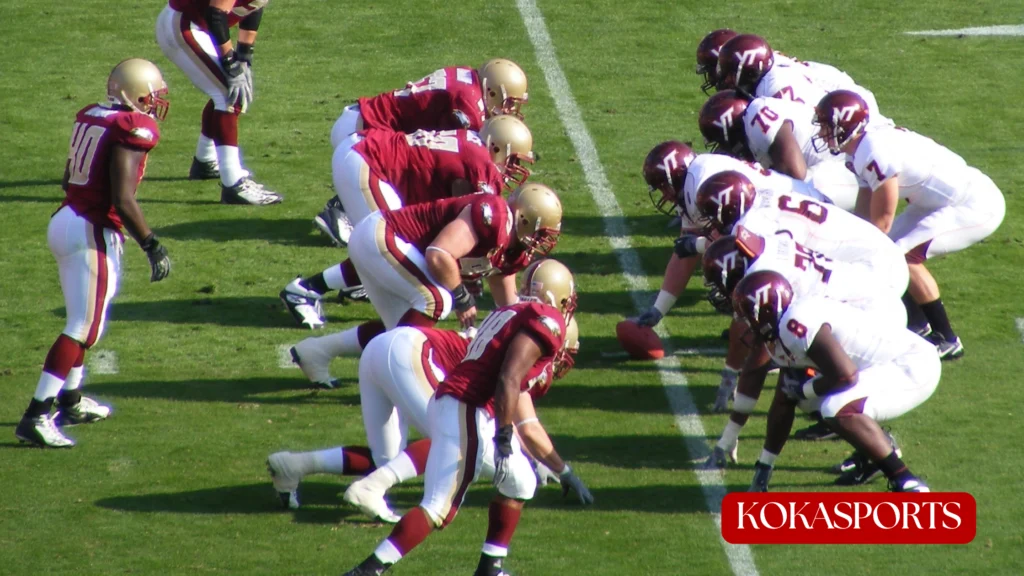
Defensive coordinators deploy linebackers differently depending on their chosen scheme. The two primary base defenses in the NFL are the 4-3 and 3-4 schemes, named for the number of defensive linemen and linebackers used.
Read Also: LB Position in Football: Complete Linebacker Guide
4-3 Defense Lineup
| Position | Count | Primary Role |
|---|---|---|
| Defensive Linemen | 4 | Rush passer, stop run |
| Linebackers | 3 | MLB + 2 outside |
| Defensive Backs | 4 | Pass coverage |
Linebacker roles in 4-3:
- Middle linebacker = primary run defender and communicator
- Two outside linebackers = pursue ball carriers and drop into coverage
- Works well against traditional run-heavy offenses
3-4 Defense Lineup
| Position | Count | Primary Role |
|---|---|---|
| Defensive Linemen | 3 | Occupy blockers |
| Linebackers | 4 | 2 inside + 2 outside |
| Defensive Backs | 4 | Pass coverage |
Linebacker roles in 3-4:
- Two inside linebackers = run-stopping and coverage
- Two outside linebackers = frequent pass rushers
- Creates confusion about who will blitz
- Harder for offensive lines to identify threats
Sub-Packages for Pass Defense
Modern offenses frequently use three or more receivers, forcing defenses to substitute defensive backs for linebackers.
Nickel formation:
- 5 defensive backs
- 2 linebackers (usually)
- Better pass coverage
Dime formation:
- 6 defensive backs
- 1-2 linebackers only
- Maximum pass protection
When defenses use these packages, they typically keep only their most athletic linebackers on the field players who can cover receivers in addition to stopping the run.
Disguising Coverage
Defensive coordinators use linebackers to disguise coverage and confuse quarterbacks. Before the snap, linebackers might show blitz by creeping toward the line of scrimmage, only to drop into coverage after the snap.
This deception forces quarterbacks to make quick decisions or hold the ball longer, giving pass rushers more time to generate pressure.
Advanced Techniques and Skills
Tackling represents the most fundamental skill for any linebacker, but advanced techniques separate professionals from amateurs.
Three Types of Tackles Linebackers Master
- Form tackles – Used in short spaces with proper shoulder placement
- Ankle tackles – Deployed when the ball carrier has momentum
- Strip tackles – Attempt to dislodge the ball while making contact
Open-Field Tackling
Where a linebacker faces the ball carrier in space without help, this requires perfect approach angles and timing. The linebacker must:
- Break down his stride
- Keep his head up
- Wrap his arms around the ball carrier
- Drive through the tackle
Shedding Blocks
Linebackers must defeat offensive linemen and tight ends who try to prevent them from reaching the ball carrier.
Hand techniques used:
- Rip moves – Uppercutting blocker’s arm
- Swim moves – Swimming arm over blocker
- Push-pull combinations – Creating separation
A linebacker might face a pulling offensive lineman on a sweep play and must shed that blocker within one second to have any chance at stopping the run.
Reading the Quarterback’s Eyes
Experienced linebackers watch the quarterback’s head and eye movement to anticipate throws. If the quarterback stares down a receiver, a linebacker might cheat a step in that direction to jump the route.
However, elite quarterbacks use this technique against defenders by looking one direction while throwing another.
Pass Rush Ability
While defensive ends typically generate most sacks, linebackers contribute pressure through well-timed blitzes. An outside linebacker might:
- Loop around the defensive end
- Shoot an inside gap
- Time the snap for maximum momentum
- Force the passer into rushed decisions
These pressures lead to turnovers that can change games.
Path to Becoming a Linebacker
Young players who want to play linebacker must develop both physical tools and mental skills. The position requires a unique combination of size, speed, and intelligence.
Physical Requirements
| Attribute | Typical Range |
|---|---|
| Height | 6’0″ – 6’3″ |
| Weight | 220 – 255 lbs |
| 40-yard dash | 4.5 – 4.8 seconds |
| Vertical jump | 30+ inches |
| Bench press | 20+ reps at 225 lbs |
Note: 3-4 outside linebackers may be larger
Training Priorities for Aspiring Linebackers
- Agility drills – Improve change-of-direction ability
- Film study – Learn offensive tendencies and formations
- Tackling technique – Practice at various angles
- Pass coverage drills – Against running backs and tight ends
- Hand fighting techniques – For shedding blocks
- Strength training – Power at the point of attack
Benefits of Multi-Sport Athletes
Many successful NFL linebackers played multiple positions in youth sports. Multi-sport athletes develop better overall coordination, reaction time, and competitive instincts.
How other sports help:
- Basketball – Footwork and spatial awareness
- Wrestling – Hand fighting skills and mental toughness
- Track – Raw speed necessary to cover ground
- Baseball – Hand-eye coordination and reaction time
Mental Preparation
Professional coaches emphasize mental preparation above all else. Linebackers spend more time in film rooms than on practice fields, memorizing defensive playbooks containing hundreds of adjustments and calls.
They study opponent tendencies to anticipate plays before they develop. This intellectual component often surprises young players who thought the position was purely physical.
Conclusion
When someone asks what a linebacker does, the answer goes far beyond tackling. Linebackers read offenses, call defensive adjustments, and make split-second decisions that can change games. They must stop the run, cover receivers, and sometimes rush the quarterback all while leading the entire defense.
The linebacker position demands both physical talent and football intelligence. Whether playing in a 3-4 or 4-3 scheme, defenses need smart, athletic players at linebacker who can communicate effectively and adapt to different offensive strategies.
Next time you watch a game, focus on the linebackers and notice how they position themselves, direct teammates, and react instantly when plays develop. You’ll see why this position truly earns its title as the quarterback of the defense.
FAQs
Do linebackers tackle people?
Yes, tackling is one of the primary responsibilities of a linebacker. They must make tackles against running backs, receivers, and anyone carrying the ball.
Is linebacker a hard position?
Yes, it’s physically and mentally demanding because linebackers must read plays, cover receivers, shed blocks, and tackle all while communicating with teammates.
Do linebackers have to be fast?
Yes, speed and agility are important for covering receivers and closing gaps quickly. Modern linebackers need to run 4.5-4.8 second 40-yard dashes.
Do linebackers sack the quarterback?
Yes, outside linebackers often blitz to sack the quarterback as part of their role. In 3-4 defenses, outside linebackers function as primary pass rushers.