


When high school athletes prepare for college sports, they often hear the term “redshirt” thrown around by coaches and recruiters. But what does redshirt mean in college sports, and how can it impact your athletic journey? This guide breaks down everything you need to know about redshirting, from basic definitions to strategic benefits.
What Does Redshirt Mean? Definition and Core Concept
The redshirt definition refers to a practice where a student-athlete delays their participation in competitive games for one season while still maintaining their scholarship and practicing with their team. During this time, the athlete doesn’t lose a year of eligibility, which means they can compete for four full seasons over five years instead of the standard four.
The official term “redshirt” comes from the old practice of having non-competing players wear red shirt without a number during practice sessions. This visual marker helped coaches identify which athletes were kept out of varsity competition for that season. While actual red practice jerseys aren’t used everywhere today, the term became part of college athletics vocabulary.
The athlete remains a full part of the team attending practices, traveling with teammates, and receiving coaching. They simply don’t participate in official games. The National Collegiate Athletic Association (NCAA) created this system to give student-athletes more time to develop physically, academically, and mentally before entering college competition.
Redshirting in College Sports: NCAA Eligibility Rules Explained
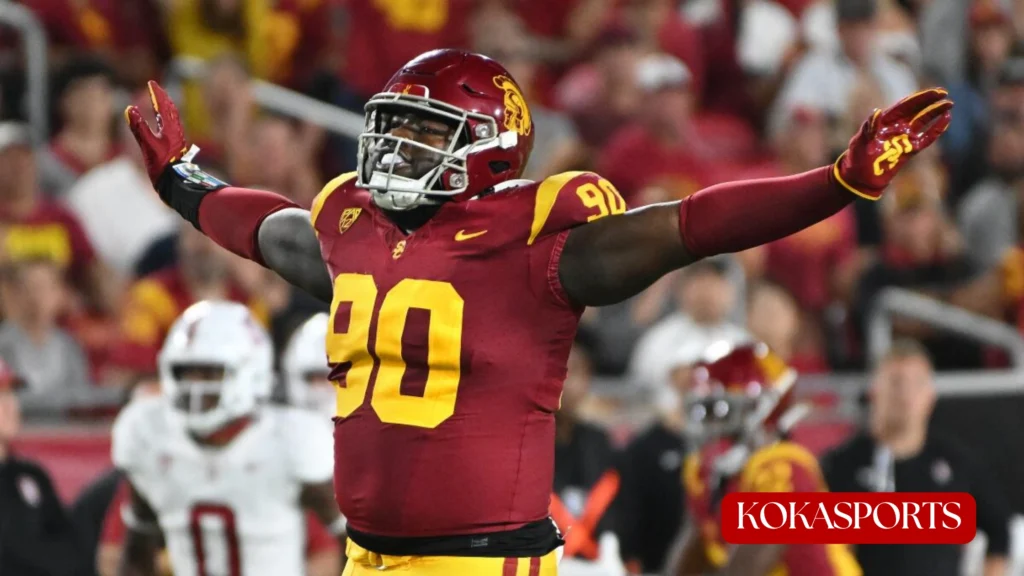
Redshirting in College Sports: NCAA Eligibility Rules Explained
The NCAA governs most collegiate sport programs, and their eligibility rules form the foundation of how redshirting works. Every student-athlete receives four years of eligibility to compete, but they have five full school years to use those four seasons. This extra year provides flexibility for development, recovery, or academic needs.
The eligibility clock starts when you first enroll as a full-time student. Once you begin your first year of college, you have five calendar years to complete four seasons of athletic participation. This applies across all NCAA Division levels.
| NCAA Division Level | Eligibility Window | Competition Years | Scholarship Type |
|---|---|---|---|
| Division I | 5 years | 4 seasons | Full athletic scholarships |
| Division II | 5 years | 4 seasons | Partial scholarships |
| Division III | 5 years | 4 seasons | No athletic scholarships |
What Is a Redshirt Year?
A redshirt year is the specific season when a student-athlete sits out from competition for a year while using a year of their five-year enrollment clock but not using a year of eligibility for competition. During the redshirt year, you can still practice with teammates and even travel to away games you just can’t compete in actual contests.
This year counts toward academic progress you move from freshman to sophomore status academically but athletically, you remain a freshman for eligibility purposes. Recent NCAA rules became more flexible, especially in Division 1 football, where athletes can now play in up to four games in a season without losing a year of eligibility.
Redshirt vs. True Freshman
A true freshman competes in games during their first year of college, immediately using a year of eligibility. A redshirt as a freshman means the athlete delays competitive participation. When they eventually compete in their second year, they’re called a redshirt freshman an academic sophomore but athletically still in their first year of college competition.
What does redshirt freshman mean for the athlete’s journey? It means they’ve had an extra year to adjust to college life without the pressure of game-day performance, learning playbooks and developing physically before competing.
Types of Redshirts
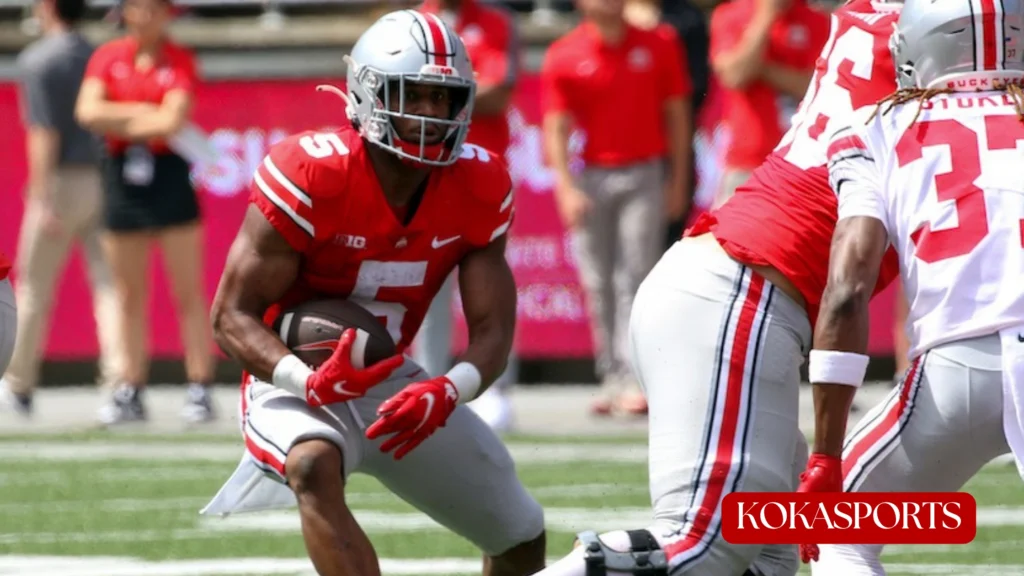
Types of Redshirts
Athletics programs use several variations of redshirts depending on circumstances.
True Redshirt (Standard Redshirt)
A true redshirt represents the standard version where an athlete voluntarily sits out an entire competitive season. The student-athlete doesn’t participate in any games but remains fully involved in team activities. They practice with the team, attend film sessions, and work with coaches on skill development.
Redshirt Freshman
The term redshirt freshman describes what an athlete becomes after completing their redshirt season. For example, a freshman quarterback who redshirts his first fall will be an academic sophomore the following year but still athletically a freshman. This extra preparation time often makes the difference at the competitive college level.
Medical Redshirt
A medical redshirt protects athletes who suffer injuries forcing them to miss substantial portions of a season due to an injury. The NCAA rules state that the injury must be season-ending and occur in the first half of the season. When approved, the athlete receives their year of eligibility back, not counting that injured season against their four seasons of competition.
Other Variations (e.g Grayshirt, Blueshirt)
Beyond standard redshirting, some programs use variations like “grayshirt” (delaying enrollment until spring) or “blueshirt” (enrollment without scholarship, then adding the athletic scholarship later). These help programs manage roster numbers and scholarship limits.
Why Redshirting Happens: Purpose of Redshirting
The purpose of redshirting extends beyond simply delaying competition. Coaches and athletes choose this path for strategic reasons.
Development and Skills Before Competition
Physical development represents the primary reasons why players might redshirt. An 18-year-old freshman often faces opponents who are 22 or 23 years old. Redshirt for one season allows younger athletes to spend a full year in college-level strength programs, gaining muscle mass and developing physical tools needed to compete effectively.
In American football, this proves especially valuable. A freshman quarterback competing immediately might struggle against bigger, faster defenders. After a redshirt year, that athlete enters his first football season bigger, stronger, and more confident.
Academic Preparation
The transition to college level academics challenges many student-athletes. They must complete a minimum full-time program of studies while managing demands of Division I Football or other high-level collegiate competition. A redshirt year provides breathing room to establish strong academic and athletic habits without the time commitment of travel and games during a season.
Team Strategy and Depth Chart Considerations
If a team has several experienced upperclassmen at a position, a talented freshman might not see playing time anyway. Rather than lose a year of eligibility sitting on the bench, the coach and athlete agree to redshirt status. When older players graduate, the redshirt freshman enters his sophomore season ready to compete for starting positions.
Protecting Scholarship and Eligibility
Eligibility to play college sports comes with strict academic requirements. A redshirt year helps athletes catch up to college standards without competition pressure. They remain on scholarship, receive all team benefits, and preserve their competitive years of play for when they’re ready to excel.
Redshirt in Major Sports
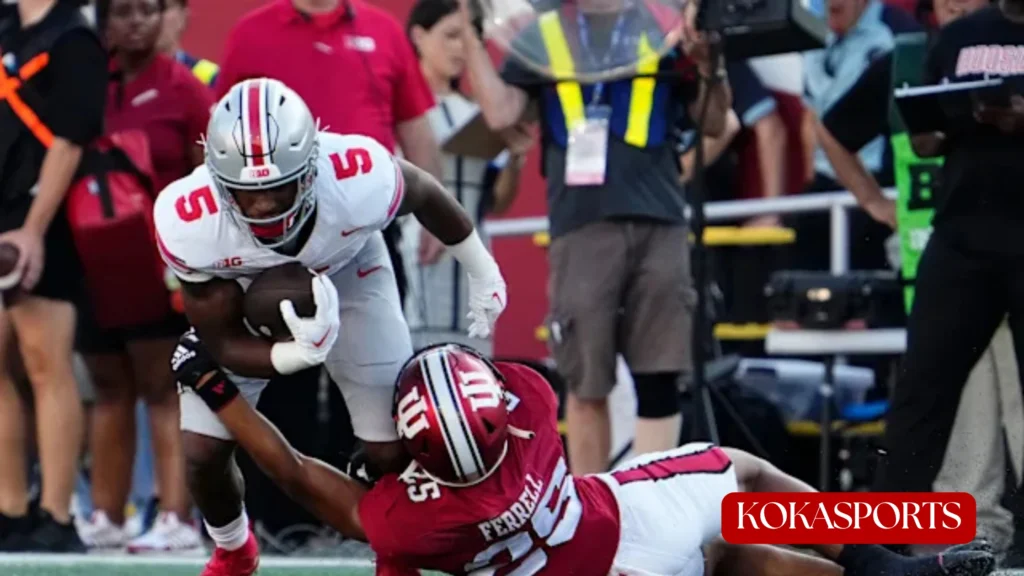
Redshirt in Major Sports
What Does Redshirt Mean in College Football?
In college football, redshirting has become extremely strategic. The redshirt rule changed to allow players to appear in up to four games during a season while still preserving their redshirt status. A freshman quarterback can now play in four games to gain experience, then still redshirt the rest of one season. College football teams use redshirts strategically—programs recruit 20-25 players annually but rather than burning eligibility on bench time, talented freshman players develop for a year. By the time they’re sophomore competitors, they’re physically ready for DI Football demands.
What Does Redshirt Mean in College Basketball?
Basketball programs also use redshirting, though it’s less common due to smaller roster sizes. A basketball redshirt works the same way the player practices but doesn’t compete in games during a season. However, with only 13 scholarship players, coaches hesitate to redshirt unless there’s clear developmental need.
What Does Redshirt Mean in College Soccer?
College soccer programs frequently use redshirting because recruiting classes often include international players who need time to adjust to American systems. A redshirt year helps players adapt while preserving four seasons for when they’re ready to contribute.
What Does Redshirt Mean in Volleyball?
Volleyball follows similar patterns. Athletes allowed to compete can choose to redshirt their freshman year for development. Position specialists often redshirt because they need time to master defensive techniques before entering the fast-paced competitive college environment.
Redshirt and Scholarships
Does redshirt status affect your scholarship? No redshirt athletes maintain full scholarship benefits during their non-competitive season. The athletic scholarship covers tuition, fees, room, board, and books regardless of whether you’re competing or sitting out as a redshirt. This makes redshirting a good option for student-athletes who need development time without financial penalty.
How Redshirt Impacts Your College Career
Deciding to mean to be a redshirt has long-term implications extending into professional sports aspirations. A redshirt adds a fifth year to your college career, meaning an extra year of education at no additional cost if you’re on scholarship. Many athletes use this bonus year of athletic education to pursue graduate degrees.
The additional physical development from a redshirt year often improves performance throughout remaining four seasons of competition. This enhanced performance can lead to better statistics and increased attention from professional sports scouts.
Redshirt Myths and Misconceptions
One common misconception is that redshirts are completely separated from the team. In reality, they still practice with the team, attend all meetings, and travel to away games—they’re simply not eligible to compete in official games. Another myth suggests redshirting hurts pro prospects, but the opposite is often true.
Conclusion
What does redshirt mean for your future in college sports? It represents a strategic tool that extends your competitive timeline, allowing you to develop physically and academically before entering high-level competition. Whether you’re a talented freshman who needs more time or a coach managing roster depth, the redshirt system provides flexibility within the NCAA‘s four years of eligibility framework.
The practice of redshirting has evolved to become a sophisticated development strategy used across sports organizations. Modern rules like the four games exception in DI Football show how the system continues adapting to better serve student-athletes. For athletes entering collegiate programs, knowing when to choose to redshirt or compete immediately helps maximize athletic potential while earning your degree.
FAQs
Why do players get redshirted?
Players get redshirted to develop skills, gain strength, recover from injury, or preserve eligibility for a longer college career.
Can you play and still redshirt?
Yes. In most NCAA sports, athletes can play in limited games and still keep a redshirt season.
Is redshirting good or bad?
It depends. Redshirting is good for development and eligibility but may delay competitive playing time.
How many years can you get redshirted?
Typically, an athlete can redshirt once, with a possible second year only in special cases like medical hardship.